buy CBD oil online, buy concentrates online, buy live resin online, buy medical weed online, buy pre rolls online, Buy Weed Online, dispensary open late near me, Guide, Health, Innovation, order weed online, Style, top rated cannabis dispensaries, Uncategorized, Weed For Sale, Weed For Sale Online, weed store near me
Cannabis Products Online: Explore Weed Strains, THC Vape Pens, Edibles, Hash, and Extracts
Oct
Cannabis Products Online: Explore Weed Strains, THC Vape Pens, Edibles, Hash, and Extracts
Finding reliable information about cannabis products starts with understanding the available categories, product characteristics, and local regulations. From cannabis flower and shake to vape products, edibles, hash, and extracts, each category offers a different product format for adults researching the cannabis market.
At 420 Green Haven, visitors can explore a range of cannabis-related product categories and learn more about the options listed in each collection. Whether you are researching cannabis flower in California, exploring product categories in Toronto, comparing cannabis terminology in London, or learning about regional cannabis markets in Australia, choosing products responsibly begins with accurate information and awareness of the laws that apply where you live.
This guide introduces the main product categories available through 420 Green Haven, explains common product terminology, and incorporates relevant search phrases for readers across the United States, Canada, Europe, Australia, and other international markets.
Explore Cannabis Products and Categories
Cannabis products vary in their composition, intended use, potency, and format. Understanding these differences can help adults make more informed decisions when researching a product category.
Browse the available collections below to explore the listings and descriptions provided for each category.
- Cannabis flower and weed strains: Explore the flower category and learn about strain names, aromatic characteristics, and commonly used cannabis terminology.
- Cannabis shake and mixed shake: Discover the shake category and understand how shake differs in appearance and composition from larger flower buds.
- THC vape pens and vape products: Review the listed vape products and their available product descriptions.
- Additional THC vape pen listings — Page 2: Explore another page of the vape product collection.
- Additional THC vape pen listings — Page 3: Continue browsing the category’s available listings.
- Additional THC vape pen listings — Page 4: View further listings within the vape collection.
- Cannabis e-liquids: Review the e-liquid category and the product information supplied for individual listings.
- Cannabis edibles and gummies: Learn about edible product formats, including gummies and other listed products.
- Cannabis hash products: Explore the hash category and its different product names and formats.
- Cannabis extracts and concentrates: Browse the extracts category and learn about common concentrate terminology.
Product availability, permitted THC content, age restrictions, and shipping rules vary by jurisdiction. A product appearing in an online category does not mean it is legal to purchase or receive in every country, state, province, or city.
1. Cannabis Flower: Weed Strains and Their Characteristics
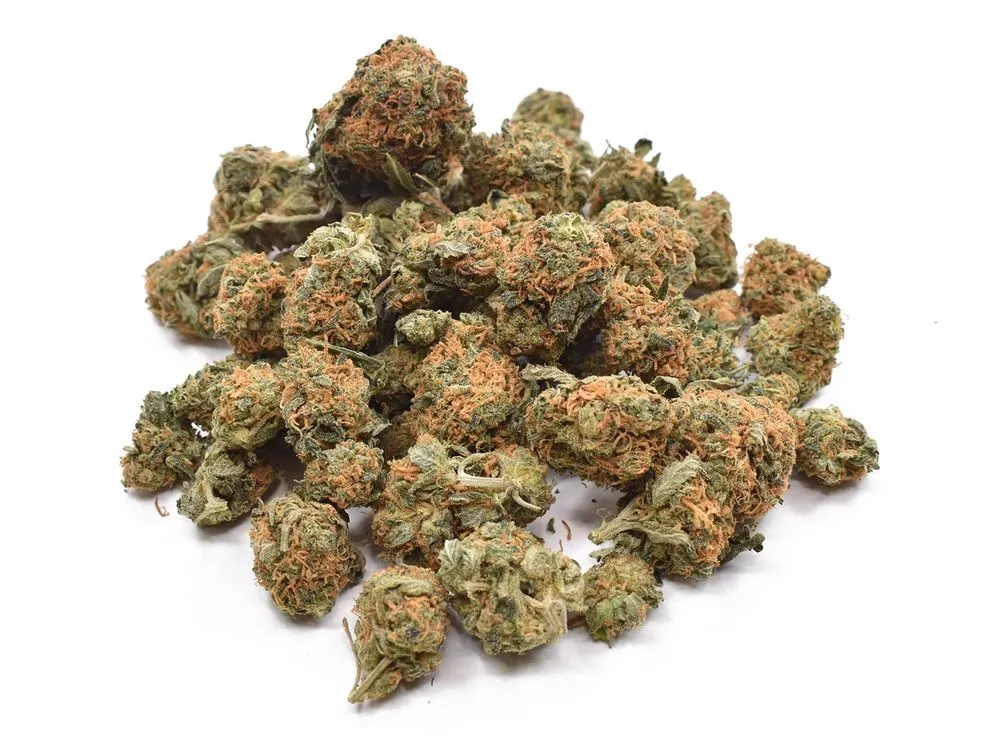
Cannabis flower remains one of the most widely recognized product categories in the cannabis market. Flower is often described using strain names, genetic background, aroma, appearance, and reported cannabinoid content. These details can differ between cultivators, batches, and testing laboratories.
Explore the cannabis flower and weed category to review the listings available through 420 Green Haven.
Understanding Popular Cannabis Strain Names
The following names are examples of strains or product names that readers may encounter when researching cannabis flower:
- Amnesia Haze: A familiar strain name associated with Haze genetics.
- Bay Dream: A name commonly associated with cannabis strain discussions and product listings.
- Bruce Banner: A recognized strain name used in cannabis product descriptions.
- Bubba Kush: A name associated with Kush-style cannabis genetics.
- Cherry Pie: A strain name that references a sweet, fruit-inspired naming profile.
- Critical Kush: A name combining Critical and Kush-related strain terminology.
- Fantasy Island: A distinctive name that may appear in cannabis flower collections.
- Frosted Truffles: A name that evokes the frosty appearance often highlighted in flower descriptions.
- Galactic Cookies: A product name drawing on Cookies-style cannabis terminology.
- Grease Monkey: A recognizable strain name in cannabis culture.
- Ice Cream Cake: A strain name associated with dessert-inspired naming conventions.
- King Thunderfuck: A distinctive name found in some cannabis strain listings.
A strain name alone does not verify a product’s genetics, potency, purity, or effects. For meaningful comparisons, look for batch-specific laboratory testing, accurate cannabinoid information, and transparent product labeling where legally required.
Related search terms: cannabis flower online, weed strains, cannabis flower varieties, cannabis strain information, and cannabis flower product categories.
Regional search variations may include cannabis flower in California, weed strains in Colorado, cannabis products in New York, cannabis flower in Ontario, and weed strain information in British Columbia. These phrases describe search intent; they do not establish that a particular product is available or legal in those locations.
2. Cannabis Shake: Understanding Mixed Shake and Flower Fragments
Cannabis shake generally refers to small pieces of cannabis flower and plant material that collect during handling, packaging, or storage. Its appearance and composition can vary considerably depending on how it is produced and sorted.
The cannabis shake category provides a starting point for exploring the listings and descriptions associated with this product type.
Common Shake Product Names
Mixed Shake and Premium Mix Shake are examples of names used to distinguish products within a shake collection.
When comparing shake products, consider the following information where available:
- Whether the composition is clearly described.
- Whether the product contains predominantly flower fragments or other plant material.
- Whether cannabinoid information is supported by appropriate testing.
- Whether packaging identifies the contents and applicable warnings.
- Whether the product meets the legal requirements of the destination jurisdiction.
The term premium is a marketing description rather than an independent guarantee of quality. Product composition and laboratory results provide more meaningful information than the name alone.
Related search terms: cannabis shake, mixed cannabis shake, cannabis flower fragments, cannabis shake product descriptions, and cannabis shake terminology.
Location-focused research may include cannabis shake in California, weed shake in Nevada, cannabis products in Michigan, cannabis shake in Ontario, and cannabis terminology in Toronto. Any purchase or delivery must comply with applicable local law.
3. THC Vape Pens: Product Formats, Labels, and Ingredients
THC vape products are a distinct category within the broader cannabis market. Depending on the product, a listing may describe a disposable device, a cartridge, a pod system, or another vaporization format.
Explore the THC vape pen collection and its additional listings on Page 2, Page 3, and Page 4.
Recognizing Vape Product Names
Examples of names that may appear in vape product listings include:
- Apple Jacks CCELL EAZIE POD
- Babby Powder Cookies
- Banana Runtz
- Batsh!t
- Blue Dream Litto
- Blueberry Banana Cookies
- Blueberry Haze
- Bubblegum Kush
- Cereal Milk Cookies
- Chamoy
- Cookies disposables
- Forbidden Guava
- Grape God
- Honey Comb Runtz
- Mimosa
- Pancakes
- Pineapple Express
- Rainbow Belts
- Rainbow Sherbet
- Red Blow Pop
- Space Club Galaxy Bar
- Star Burstz
- Strawberry Cough
- Watermelon Zkittlez
Other listings may include dual-chamber products or products marketed under names such as 10/10 Boys.
These names should not be treated as proof of a product’s cannabinoid concentration, ingredients, authenticity, or safety. Product descriptions should identify the actual formulation and device type rather than relying solely on branding.
What to Check When Reading a Vape Product Description
Responsible product research involves looking beyond the product name. Where applicable, check for:
Ingredient transparency: Look for information about the contents, carrier ingredients, and any added flavoring substances.
Cannabinoid information: Review clearly stated THC and other cannabinoid amounts, along with appropriate laboratory documentation.
Manufacturing and testing: Independent testing can help identify cannabinoid content and screen for certain contaminants. The scope of testing matters, and no single test necessarily establishes that a product is risk-free.
Device details: Product descriptions should clearly identify whether the item is a disposable device, cartridge, pod, or another format.
Legal compliance: THC limits, product standards, licensing requirements, and permitted sales channels vary across jurisdictions.
Vaping can carry health risks, and products from unregulated sources may contain undisclosed ingredients or contaminants. Clear labeling and laboratory documentation are important, but they do not eliminate every risk.
Related search terms: THC vape pens, THC vape product information, cannabis vape categories, disposable vape terminology, and cannabis vape product descriptions.
Location-based keyword variations can include THC vape regulations in California, cannabis vape laws in Colorado, THC product rules in New York, cannabis vape regulations in Ontario, and cannabis product laws in British Columbia. These are research topics, not representations of local availability.
4. Cannabis E-Liquids: Understanding Product Labels
E-liquids are liquid formulations marketed for use in compatible vaping devices. The term can describe different products, so it is important not to assume that every e-liquid contains THC or is suitable for the same type of device.
Review the e-liquid category for the product descriptions supplied by the seller.
One example of a listing name is Vape Juice 5000mg 10ml. A number in a product name should not be treated as independently verified potency information. Buyers and researchers should look for a clear statement of the actual ingredients, total cannabinoid content, concentration, and intended device compatibility.
Important E-Liquid Considerations
When evaluating an e-liquid listing, consider:
- Whether the cannabinoid content is stated clearly.
- Whether the concentration and total quantity are distinguished.
- Whether the product has appropriate laboratory documentation.
- Whether the ingredients are identified and suitable for the stated use.
- Whether the formulation complies with the relevant jurisdiction’s requirements.
Not every liquid intended for one vaping system is suitable for another. Inhaling an unsuitable formulation can pose health risks.
Related search terms: cannabis e-liquids, THC e-liquid information, vape liquid ingredients, cannabinoid liquid formulations, and e-liquid product labeling.
For geographic SEO research, related phrases include cannabis e-liquid regulations in California, vape product rules in Texas, cannabis product regulations in Ontario, and vaping product requirements in Australia. The legality of THC-containing liquids varies substantially between regions.
5. Cannabis Edibles: Gummies, Capsules, and Chocolate
Cannabis edibles are products designed to be consumed rather than inhaled. Depending on the formulation and local regulations, this category may include gummies, capsules, chocolate, and other food-style products containing cannabinoids.
Explore the cannabis edibles category to review the listed products and the information provided for each item.
Examples of Edible Product Names
The category may include names such as:
- Fruit Bites 1000mg Gummies
- Mango Premium DANK Gummies
- Orange Premium DANK Gummies
- Watermelon DANK Gummies
- Pro Infused 500mg Capsules
- Pro Infused 1000mg Capsules
- Watermelon 500mg THC Gummies
- Wonka Chocolate 1000mg THC
Product names and stated milligram amounts should be checked against the complete label and reliable testing documentation. The total cannabinoid amount in a package is not necessarily the amount in a single serving.
Why Edible Labels Matter
Edibles can have delayed and prolonged effects compared with inhaled cannabis. The time it takes for effects to begin varies according to the individual, product formulation, food intake, and other factors. Taking additional amounts too soon can increase the risk of an unpleasant or dangerous experience.
When reading an edible label, check:
- Total THC per package and per serving.
- Serving size and number of servings.
- Ingredient and allergen information.
- Required child-resistant packaging and warnings.
- Batch information and available laboratory results.
- Storage instructions and expiry information, where applicable.
Keep cannabis edibles away from children and pets. Products that resemble ordinary sweets or chocolate can be mistaken for regular food, so secure storage is essential.
Related search terms: cannabis edibles, THC gummies, cannabis capsules, THC chocolate, edible product labeling, and cannabis edible safety information.
Relevant location-oriented informational phrases include cannabis edible regulations in California, THC gummy laws in Colorado, cannabis edible rules in Illinois, cannabis regulations in Ontario, and edible cannabis laws in British Columbia. Local laws may limit product strength, serving sizes, packaging, or sales.
6. Cannabis Hash: Product Types and Terminology
Hash, often called hashish, is a cannabis concentrate traditionally made by collecting and compressing resin-rich trichomes. Products vary in texture, color, aroma, processing method, and cannabinoid composition.
The cannabis hash category allows visitors to explore the product names and descriptions associated with this category.
Examples of Hash Product Names
Names that may appear in the category include:
- Cereal Milk Hash
- Dark Rhino Hash
- Honey Hashish
- Ice Cream Cake Hash 5g
- Peanut Butter Bananas
- Top Dray Hash
These names identify particular listings but do not independently establish composition, production methods, purity, or potency.
What Makes Hash Products Different?
Hash products can differ in several ways:
Texture: Depending on the production process, hash may be firm, soft, crumbly, or pliable.
Processing method: Traditional techniques and more recent processing approaches can produce different physical characteristics.
Cannabinoid profile: THC and other cannabinoid concentrations may vary significantly.
Testing and traceability: Reliable batch documentation can provide information about potency and screening for certain contaminants.
Storage: Appropriate storage depends on the specific formulation and packaging instructions.
A product’s appearance or aroma alone cannot verify its safety or chemical composition.
Related search terms: cannabis hash, hashish product information, cannabis resin concentrates, hash product descriptions, and cannabis concentrate terminology.
Geographic informational variations include cannabis hash laws in California, cannabis concentrate regulations in Nevada, hashish laws in Ontario, and cannabis concentrate rules in British Columbia. These terms should lead to accurate local information rather than assumptions about legality or delivery.
7. Cannabis Extracts and Concentrates: Understanding the Differences
Cannabis extracts and concentrates are produced using different methods to separate or concentrate certain compounds from cannabis material. The final products can differ in texture, chemical composition, processing requirements, and intended application.
Explore the cannabis extracts category to review the available listings.
Examples of Extract and Concentrate Listings
The category may feature product names such as:
- Biscotti Badder
- Crumble
- Delta-9 THC Distillate
- Live Resin Badder
- Live Resin Sugar
- Rainbow Belts Hash Rosin by Wonderbrett
- Rick Simpson Oil (RSO) 1G
These terms refer to different product names or concentrate styles. They should not be used interchangeably without checking the actual formulation.
Common Concentrate Terms Explained
Badder: A concentrate name generally associated with a soft, whipped, or batter-like consistency.
Crumble: A term commonly used for concentrates with a dry, crumbly texture.
Distillate: A refined extract produced through distillation. Its cannabinoid composition depends on the material and processing method.
Live resin: A concentrate generally associated with processing fresh or flash-frozen cannabis material to retain aspects of its original aromatic profile.
Hash rosin: A solventless concentrate produced by applying heat and pressure to suitable resin material.
Rick Simpson Oil (RSO): A term associated with a particular type of cannabis oil. Products sold under this name can differ, and the label alone does not establish a medical benefit.
Product Quality, Testing, and Safety
Concentrates may contain high levels of THC. Potency claims should be supported by reliable testing, and products should be handled according to their specific labeling and applicable laws.
Consumers should be cautious about unsupported medical claims. A product name, high cannabinoid concentration, or customer testimonial does not establish that a concentrate can diagnose, treat, cure, or prevent a disease.
Related search terms: cannabis extracts, THC concentrates, live resin, cannabis distillate, hash rosin, cannabis extract information, and concentrate product labeling.
Location-oriented informational keywords can include cannabis extract regulations in California, THC concentrate laws in Colorado, cannabis concentrate rules in Michigan, cannabis extract regulations in Ontario, and cannabis concentrate laws in British Columbia.
8. Geographic Cannabis SEO: Countries, States, Provinces, and Cities
People search for cannabis-related information using different combinations of product categories, locations, laws, and product terminology. A comprehensive SEO strategy should reflect those differences without suggesting that every product is available in every market.
The following geographic phrases can support relevant informational content, provided the site serves the intended audience lawfully and the page accurately reflects the local rules.
United States: State and City Keyword Variations
Potential location-focused research terms include:
| State | Example cities | Relevant informational keyword themes |
|---|---|---|
| California | Los Angeles, San Diego, San Francisco, Sacramento | Cannabis flower, edibles, vape regulations |
| Colorado | Denver, Boulder, Colorado Springs, Aurora | Cannabis strains, concentrates, product standards |
| Nevada | Las Vegas, Reno, Henderson | Cannabis products, hash, concentrate regulations |
| Oregon | Portland, Eugene, Salem, Bend | Cannabis flower, product labeling, extracts |
| Washington | Seattle, Tacoma, Spokane, Olympia | Cannabis categories, edibles, product rules |
| Arizona | Phoenix, Tucson, Scottsdale, Mesa | Cannabis product regulations, edibles, concentrates |
| Michigan | Detroit, Ann Arbor, Grand Rapids, Lansing | Cannabis flower, extracts, product requirements |
| Illinois | Chicago, Springfield, Naperville, Peoria | Cannabis product rules, edible labeling |
| New York | New York City, Buffalo, Albany, Rochester | Cannabis regulations, product categories |
| Massachusetts | Boston, Worcester, Cambridge, Springfield | Cannabis flower, edibles, concentrate rules |
| New Jersey | Newark, Jersey City, Trenton, Atlantic City | Cannabis product regulations |
| Pennsylvania | Philadelphia, Pittsburgh, Harrisburg, Allentown | Cannabis laws and product requirements |
| Ohio | Columbus, Cleveland, Cincinnati, Toledo | Cannabis product regulations and labeling |
| Missouri | Kansas City, St. Louis, Springfield, Columbia | Cannabis categories and applicable regulations |
| Montana | Billings, Missoula, Bozeman, Helena | Cannabis product rules |
| Alaska | Anchorage, Fairbanks, Juneau | Cannabis laws and product requirements |
| Maine | Portland, Bangor, Augusta, Lewiston | Cannabis product regulations |
| Maryland | Baltimore, Annapolis, Frederick, Rockville | Cannabis rules and product information |
| Connecticut | Hartford, New Haven, Stamford, Bridgeport | Cannabis laws and product categories |
| New Mexico | Albuquerque, Santa Fe, Las Cruces, Roswell | Cannabis product requirements |
| Vermont | Burlington, Montpelier, Rutland, St. Albans | Cannabis regulations and product information |
| Virginia | Richmond, Virginia Beach, Norfolk, Arlington, Alexandria | Cannabis laws and product rules |
| Minnesota | Minneapolis, Saint Paul, Rochester, Duluth | Cannabis regulations and labeling |
| New Hampshire | Manchester, Nashua, Concord, Portsmouth | Cannabis laws and product requirements |
| Rhode Island | Providence, Warwick, Newport, Cranston | Cannabis regulations and product information |
| Delaware | Wilmington, Dover, Newark, Rehoboth Beach | Cannabis product rules |
| Florida | Miami, Orlando, Tampa, Jacksonville | Cannabis laws and regulated product categories |
| Texas | Houston, Dallas, Austin, San Antonio, Fort Worth | Cannabis laws and THC product regulations |
| Georgia | Atlanta, Savannah, Augusta, Athens | Cannabis laws and cannabinoid product requirements |
| North Carolina | Charlotte, Raleigh, Durham, Asheville | Cannabis laws and hemp-derived product rules |
| South Carolina | Charleston, Columbia, Greenville, Myrtle Beach | Cannabis laws and product requirements |
| Tennessee | Nashville, Memphis, Knoxville, Chattanooga | Cannabis and hemp product regulations |
| Alabama | Birmingham, Huntsville, Mobile, Montgomery | Cannabis laws and regulated product information |
| Indiana | Indianapolis, Fort Wayne, Evansville, South Bend | Cannabis and cannabinoid product regulations |
| Wisconsin | Milwaukee, Madison, Green Bay, Kenosha | Cannabis laws and hemp product requirements |
| Iowa | Des Moines, Cedar Rapids, Davenport, Iowa City | Cannabis and cannabinoid product regulations |
| Kansas | Wichita, Topeka, Lawrence, Overland Park | Cannabis laws and hemp-derived products |
| Kentucky | Louisville, Lexington, Bowling Green, Covington | Cannabis regulations and product requirements |
| Oklahoma | Oklahoma City, Tulsa, Norman, Edmond | Cannabis product laws and compliance |
| Arkansas | Little Rock, Fayetteville, Bentonville, Fort Smith | Cannabis laws and product regulations |
| Mississippi | Jackson, Gulfport, Biloxi, Hattiesburg | Cannabis product laws and requirements |
| Louisiana | New Orleans, Baton Rouge, Lafayette, Shreveport | Cannabis regulations and product information |
| West Virginia | Charleston, Morgantown, Huntington, Wheeling | Cannabis laws and product rules |
| Wyoming | Cheyenne, Casper, Laramie, Gillette | Cannabis and cannabinoid product regulations |
| Idaho | Boise, Meridian, Nampa, Idaho Falls | Cannabis laws and hemp product requirements |
| North Dakota | Fargo, Bismarck, Grand Forks, Minot | Cannabis laws and product regulations |
| South Dakota | Sioux Falls, Rapid City, Pierre, Aberdeen | Cannabis regulations and product information |
| Nebraska | Omaha, Lincoln, Bellevue, Grand Island | Cannabis laws and cannabinoid product rules |
| Utah | Salt Lake City, Provo, Ogden, St. George | Cannabis laws and regulated product information |
SEO recommendation: Create a location page only when it can offer useful, accurate, and locally relevant information. Avoid publishing dozens of nearly identical pages that simply replace a city name.
Canada: Provinces, Territories, and Major Cities
Canadian cannabis-related searches may include:
- Ontario: Toronto, Ottawa, Mississauga, Hamilton, London, and Windsor.
- British Columbia: Vancouver, Victoria, Surrey, Kelowna, and Burnaby.
- Alberta: Calgary, Edmonton, Red Deer, Lethbridge, and Banff.
- Quebec: Montreal, Quebec City, Laval, Gatineau, and Sherbrooke.
- Manitoba: Winnipeg, Brandon, Steinbach, and Thompson.
- Saskatchewan: Saskatoon, Regina, Prince Albert, and Moose Jaw.
- Nova Scotia: Halifax, Sydney, Truro, and Dartmouth.
- New Brunswick: Moncton, Fredericton, Saint John, and Dieppe.
- Newfoundland and Labrador: St. John’s, Corner Brook, and Mount Pearl.
- Prince Edward Island: Charlottetown, Summerside, and Stratford.
- Yukon: Whitehorse and Dawson City.
- Northwest Territories: Yellowknife, Hay River, and Inuvik.
- Nunavut: Iqaluit, Rankin Inlet, and Arviat.
Relevant keyword themes include cannabis regulations in Ontario, cannabis product information in Toronto, cannabis laws in British Columbia, cannabis product rules in Vancouver, cannabis regulations in Alberta, and cannabis information in Montreal.
Canada has a national framework for cannabis, alongside provincial and territorial rules. Legal purchasing channels, age requirements, possession limits, and other conditions must be checked for the specific location.
Europe: Country and City Keyword Variations
Cannabis laws differ substantially across Europe. Location-specific content should accurately explain the rules in each jurisdiction instead of treating Europe as a single cannabis market.
Relevant country and city combinations for legal-information content include:
- United Kingdom: London, Manchester, Birmingham, Liverpool, Bristol, and Edinburgh.
- Germany: Berlin, Hamburg, Munich, Frankfurt, Cologne, and Düsseldorf.
- France: Paris, Lyon, Marseille, Toulouse, Bordeaux, and Nice.
- Spain: Madrid, Barcelona, Valencia, Seville, and Málaga.
- Italy: Rome, Milan, Naples, Turin, and Florence.
- Netherlands: Amsterdam, Rotterdam, Utrecht, The Hague, and Eindhoven.
- Portugal: Lisbon, Porto, Braga, and Coimbra.
- Switzerland: Zurich, Geneva, Basel, Bern, and Lausanne.
- Austria: Vienna, Graz, Linz, Salzburg, and Innsbruck.
- Belgium: Brussels, Antwerp, Ghent, Bruges, and Liège.
- Ireland: Dublin, Cork, Galway, Limerick, and Waterford.
- Denmark: Copenhagen, Aarhus, Odense, and Aalborg.
- Sweden: Stockholm, Gothenburg, Malmö, and Uppsala.
- Norway: Oslo, Bergen, Trondheim, and Stavanger.
- Finland: Helsinki, Tampere, Turku, and Oulu.
- Poland: Warsaw, Kraków, Wrocław, Gdańsk, and Poznań.
- Czechia: Prague, Brno, Ostrava, and Plzeň.
- Greece: Athens, Thessaloniki, Patras, and Heraklion.
- Croatia: Zagreb, Split, Rijeka, and Dubrovnik.
- Hungary: Budapest, Debrecen, Szeged, and Pécs.
- Romania: Bucharest, Cluj-Napoca, Timișoara, and Iași.
- Bulgaria: Sofia, Plovdiv, Varna, and Burgas.
- Slovakia: Bratislava, Košice, and Žilina.
- Slovenia: Ljubljana, Maribor, and Koper.
- Luxembourg: Luxembourg City, Esch-sur-Alzette, and Differdange.
- Estonia: Tallinn, Tartu, and Pärnu.
- Latvia: Riga, Daugavpils, and Liepāja.
- Lithuania: Vilnius, Kaunas, and Klaipėda.
- Cyprus: Nicosia, Limassol, and Larnaca.
- Malta: Valletta, Sliema, and St. Julian’s.
- Iceland: Reykjavík, Akureyri, and Hafnarfjörður.
Possible informational search themes include cannabis laws in Germany, cannabis regulations in France, cannabis legislation in Spain, cannabis laws in the United Kingdom, and cannabis regulations in the Netherlands.
Do not imply that a product can be shipped to any of these destinations without confirming the applicable law. Rules governing possession, medical use, adult use, retail sales, imports, and exports are not uniform.
Australia: States, Territories, and Cities
Australian cannabis-related information may be searched by state, territory, or city. Relevant geographic combinations include:
- New South Wales: Sydney, Newcastle, Wollongong, and Wagga Wagga.
- Victoria: Melbourne, Geelong, Ballarat, and Bendigo.
- Queensland: Brisbane, Gold Coast, Cairns, Townsville, and Sunshine Coast.
- Western Australia: Perth, Bunbury, Geraldton, and Albany.
- South Australia: Adelaide, Mount Gambier, Whyalla, and Port Augusta.
- Tasmania: Hobart, Launceston, Devonport, and Burnie.
- Australian Capital Territory: Canberra.
- Northern Territory: Darwin, Alice Springs, and Katherine.
Useful informational phrases include medicinal cannabis regulations in Australia, cannabis laws in New South Wales, cannabis regulations in Victoria, and medicinal cannabis information in Queensland.
Australia has specific regulatory arrangements for medicinal cannabis, and applicable laws should be checked through official sources. A location keyword must not imply that a product is approved for medical use or available for unrestricted retail purchase.
Latin America, the Caribbean, and Other International Markets
International cannabis search behavior also includes countries in Latin America, the Caribbean, Asia, Africa, and the Middle East. However, regulations vary considerably, and in some jurisdictions cannabis possession, sales, importation, or THC-containing products can carry serious legal consequences.
Potential geographic topics for legal and regulatory information include:
- Mexico: Mexico City, Guadalajara, Monterrey, Puebla, and Tijuana.
- Costa Rica: San José, Heredia, Alajuela, and Liberia.
- Panama: Panama City, David, and Santiago.
- Colombia: Bogotá, Medellín, Cali, and Cartagena.
- Brazil: São Paulo, Rio de Janeiro, Brasília, and Curitiba.
- Argentina: Buenos Aires, Córdoba, Rosario, and Mendoza.
- Chile: Santiago, Valparaíso, Concepción, and Viña del Mar.
- Uruguay: Montevideo, Salto, Punta del Este, and Paysandú.
- Peru: Lima, Arequipa, Cusco, and Trujillo.
- Ecuador: Quito, Guayaquil, Cuenca, and Loja.
- Jamaica: Kingston, Montego Bay, Ocho Rios, and Negril.
- Barbados: Bridgetown, Speightstown, and Oistins.
- South Africa: Johannesburg, Cape Town, Durban, and Pretoria.
- Thailand: Bangkok, Chiang Mai, Phuket, and Pattaya.
- Japan: Tokyo, Osaka, Kyoto, and Yokohama.
- New Zealand: Auckland, Wellington, Christchurch, and Hamilton.
For these markets, focus on accurate topics such as cannabis laws in Mexico, medicinal cannabis regulations in Colombia, cannabis legislation in Brazil, cannabis rules in Jamaica, and cannabis regulations in New Zealand. Do not assume that local rules permit commercial THC sales or international delivery.
9. How to Build a Stronger Cannabis SEO Strategy
A useful cannabis SEO strategy should help visitors find relevant information, understand product categories, and navigate the site easily. Repeating large numbers of location names on every page is unlikely to produce the best reading experience.
Use a Clear Keyword Structure
Assign a primary topic to each page instead of making every page target every keyword.
| Page or category | Primary keyword theme | Supporting keyword themes |
|---|---|---|
| Weed | Cannabis flower | Weed strains, flower terminology, strain descriptions |
| Shake | Cannabis shake | Mixed shake, shake composition, product information |
| THC vape pens | THC vape products | Vape devices, product labeling, ingredient information |
| E-liquids | Cannabis e-liquids | Liquid formulations, ingredients, cannabinoid labeling |
| Edibles | Cannabis edibles | THC gummies, capsules, edible labeling |
| Hash | Cannabis hash | Hashish, resin concentrates, product terminology |
| Extracts | Cannabis extracts | Live resin, badder, distillate, hash rosin |
Use supporting phrases where they fit naturally in headings, descriptions, image alt text, internal links, and relevant body copy.
Make Geographic Keywords Useful
Location keywords work best when the content answers a genuine local question. A page about cannabis regulations in Ontario, for example, should explain the relevant Ontario framework rather than simply repeat the phrase alongside dozens of unrelated product names.
For a geographic page to provide meaningful value, consider including:
- A clear description of the location and intended audience.
- Accurate, current information about relevant regulations.
- Local terminology where appropriate.
- Links to official government or regulatory resources.
- Product availability information only when verified and lawful.
- Original explanations rather than copied text with city names replaced.
Avoid generating near-identical pages for every city without a meaningful difference in content. Such pages can create a poor user experience and may be considered doorway pages if their main purpose is to capture search traffic and funnel visitors elsewhere.
Improve Internal Linking
Internal links help visitors discover related information and allow search engines to understand the relationship between pages.
For example, an article about cannabis flower can link naturally to the weed category. A guide to edible terminology can point readers to the edibles category. An informational article about concentrates can link to the hash category and the extracts category.
Use descriptive anchor text that tells readers what they will find after clicking. Avoid using the exact same long, location-stuffed anchor phrase for every internal link.
Write Accurate Product Descriptions
Useful product descriptions should communicate what a product is, how it is labeled, and which details are supported by reliable documentation.
Where relevant and lawful, include:
- Product type and format.
- Ingredients and cannabinoid information.
- Batch-specific laboratory results.
- Applicable warnings and storage instructions.
- Manufacturer or responsible-party details.
- Clear information about restrictions and intended use.
Do not add unsupported claims about potency, medical benefits, product purity, delivery speed, or legality.
Optimize Titles and Meta Descriptions
Every category page should have a unique title that identifies its primary subject. The meta description should summarize what visitors can find on the page without making claims that the page cannot substantiate.
A title such as Cannabis Edibles: Gummies, Capsules & Product Information is clearer than a title containing dozens of cities and countries. Geographic terms can be included on pages where the location is genuinely relevant.
Prioritize the Visitor Experience
Strong SEO content is written for people first. Make the page easy to scan, explain unfamiliar terms, use meaningful headings, and ensure links lead to the relevant destination.
Also consider mobile usability, page speed, accessible design, original photography where appropriate, and accurate structured data. Search rankings depend on many factors, and no specific keyword density or article length guarantees a top position.
10. Frequently Asked Questions About Cannabis Products
What types of cannabis products can visitors explore on 420 Green Haven?
The site has category pages for cannabis flower, shake, THC vape pens, e-liquids, edibles, hash, and extracts. Visitors should review the individual listings for current product information and applicable restrictions.
What is the difference between cannabis flower and shake?
Flower generally refers to the harvested cannabis buds, while shake refers to smaller fragments that separate from flower during handling or packaging. The composition and quality of shake can vary, so the product description matters.
Are THC vape pens and cannabis e-liquids the same?
Not necessarily. A vape pen describes a device or product format, while e-liquid describes a liquid formulation. Not every liquid is compatible with every device, and ingredients and cannabinoid content must be checked.
How should consumers compare cannabis edibles?
Consumers should review the total cannabinoid content, amount per serving, ingredients, warnings, and testing information. Edibles may have delayed effects, so product labeling and responsible storage are particularly important.
What are cannabis hash and extracts?
Hash is a type of cannabis concentrate traditionally made from resin-rich trichomes. Extracts and concentrates include a wider range of products made using different processing methods, such as distillate, live resin, and hash rosin.
Can cannabis products be purchased or shipped to every country?
No. Cannabis laws differ by country and can also vary between states, provinces, territories, and municipalities. Restrictions may apply to possession, sale, THC concentration, medical use, importation, exportation, and delivery. Always verify current rules through the relevant official authorities before attempting to purchase or transport a product.
Do location keywords guarantee better Google rankings?
No. Geographic keywords can help a page match relevant searches, but rankings depend on many factors, including content quality, search intent, technical performance, internal linking, authority, and competition. Adding every country and city to every keyword can make content repetitive and difficult to read.
Conclusion: Explore Cannabis Categories With Better Information
Understanding cannabis product categories helps readers navigate a complex market. Flower, shake, vape products, e-liquids, edibles, hash, and extracts each have distinct terminology and labeling considerations. Reliable product information, transparent testing, and awareness of local regulations are essential when evaluating these categories.
420 Green Haven’s category pages provide a starting point for exploring its listed products:
- Browse cannabis flower and weed strains
- Explore cannabis shake
- Review THC vape pen listings
- Explore e-liquids
- Review cannabis edibles
- Explore cannabis hash
- Browse cannabis extracts
For publishers and site owners, the strongest long-term approach is to combine clear product-category content with accurate regional information, useful internal links, and responsible keyword targeting. Geographic terms should help readers find relevant information—not imply universal product availability or override local law.
