buy CBD oil online, buy concentrates online, buy live resin online, buy medical weed online, buy pre rolls online, Buy Weed Online, dispensary open late near me, Guide, Health, Innovation, order weed online, Style, top rated cannabis dispensaries, Uncategorized, Weed For Sale, Weed For Sale Online, weed store near me
Cannabis Products Online: Explore Weed Strains, THC Vapes, Edibles, Hash, and Extracts at 420 Green Haven
Oct
Cannabis Products Online: Explore Weed Strains, THC Vapes, Edibles, Hash, and Extracts at 420 Green Haven
Cannabis products have evolved into a broad and increasingly researched category, with options ranging from traditional flower and hash to vape products, infused edibles, and concentrated extracts. For consumers exploring this market, understanding the differences between product types, reviewing available product information, and staying informed about cannabis research are important steps toward making informed decisions.
420 Green Haven brings together several cannabis product categories, giving visitors a starting point for exploring product names, formats, and descriptions. Whether you are researching cannabis flower, comparing different types of concentrates, learning about edibles, or looking for reliable information about THC and CBD, understanding the category is just as important as understanding the individual product.
This comprehensive guide covers cannabis product categories, selected products listed in the catalog, recent research into potential medical uses, health and safety considerations, and geographic search topics for the United States, Canada, Europe, Australia, Latin America, and the Caribbean.
Cannabis laws differ significantly between jurisdictions. Product descriptions and geographic references in this article do not imply that every product is legal, available, or eligible for delivery to every location.
Explore Cannabis Flower, Vape Products, Edibles, Hash, and Extracts
Every cannabis product category has its own characteristics. Flower consists of harvested cannabis buds, shake generally refers to smaller pieces of plant material, edibles are consumed orally, and concentrates are produced to collect or concentrate selected cannabis compounds.
Understanding these distinctions helps consumers interpret product descriptions more accurately and avoid assuming that different formats have identical ingredients, potency, or effects.
Explore the product categories below to learn more about the listings available through 420 Green Haven.
1. Cannabis Flower and Weed Strains
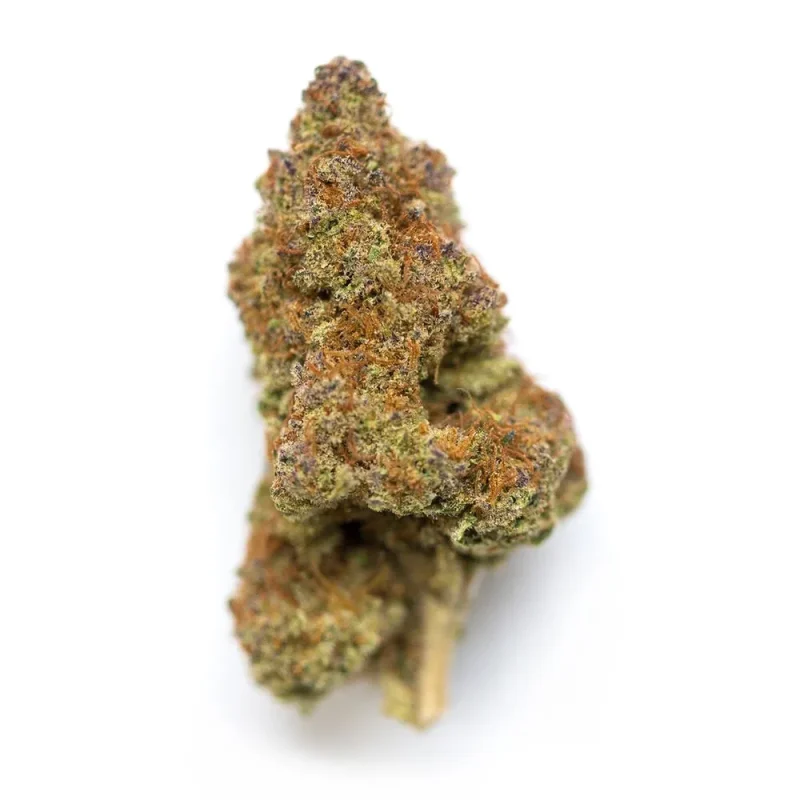
Cannabis flower is one of the most widely recognized forms of cannabis. Different varieties may have distinct aromas, appearances, and cannabinoid profiles. Their characteristics can vary depending on genetics, cultivation, processing, storage, and the specific batch.
Visit the cannabis flower and weed collection to explore this category.
Selected strain names featured in the catalog include:
- Amnesia Haze
- Bay Dream
- Bruce Banner
- Bubba Kush
- Cherry Pie
- Critical Kush
- Fantasy Island
- Frosted Truffles
- Galactic Cookies
- Grease Monkey
- Ice Cream Cake
- King Thunderfuck
These names can help distinguish individual products, but they should not be treated as guarantees of potency, purity, or particular effects. Products with similar names may differ in composition, and strain names alone cannot establish their medical value or safety.
When reviewing cannabis flower, consider the available product description, cannabinoid information, ingredients or additives where relevant, and any supporting laboratory documentation. Clear labeling is more useful than exaggerated claims about strength or expected effects.
Readers researching cannabis flower online may be interested in strain characteristics, the differences between cannabis varieties, cannabinoid terminology, and local regulations governing cannabis possession and retail sales.
2. Cannabis Shake and Mixed Shake Products
Cannabis shake typically consists of smaller pieces of flower and other plant material collected during handling. Its composition and quality can vary, so it is important to assess the actual product information rather than judging a product solely by its name.
Explore the cannabis shake collection to review the available listings.
Selected product names include:
- Mixed Shake
- Premium Mix Shake
When comparing shake products, look for package information, a clear description of the material, cannabinoid details where available, and any relevant testing documentation.
The term “premium” is a product descriptor, not independent proof of quality. Consumers should rely on verifiable information rather than assume that similarly named products have the same composition or characteristics.
Useful educational topics for this category include cannabis shake composition, differences between shake and flower, product labeling, and safe storage.
3. THC Vape Pens and Cannabis Vape Products
Cannabis vape products are available in different formats, which may include cartridges, pod systems, disposable devices, and other vaporizer products. Their formulations and hardware requirements are not necessarily interchangeable.
Browse the THC vape pen collection to explore the main category.
Additional catalog pages include:
Selected product names appearing in the catalog include:
- Apple Jacks CCELL EAZIE POD
- Babby Powder Cookies
- Banana Runtz
- Batsh!t
- Blue Dream Litto
- Blueberry Banana Cookies
- Blueberry Haze
- Bubblegum Kush
- Cereal Milk Cookies
- Chamoy
- Cookies disposables
- Forbidden Guava
- Grape God
- Honey Comb Runtz
- Mimosa
- Pancakes
- Pineapple Express
- Rainbow Belts
- Rainbow Sherbet
- Red Blow Pop
- Red Starburst
- Space Club Galaxy Bar
- Star Burstz
- Strawberry Cough
- 10/10 Boys
- Watermelon Zkittlez
The catalog may also contain dual-chamber devices and other vape formats. Check the individual listing for details rather than assuming compatibility based on a product’s appearance or name.
What should consumers know about THC vape products?
THC is an intoxicating cannabinoid that can affect attention, memory, coordination, and judgment. High-potency products may increase the risk of adverse reactions, including anxiety, panic, and other unwanted psychological effects.
Vaping also carries product-specific risks. Contaminated, mislabeled, or unregulated liquids and concentrates may contain unexpected substances. A product’s appearance or packaging does not establish that it has been tested for safety.
Useful educational content for this category includes product ingredients, cannabinoid labeling, device compatibility, vaping-related health risks, and local restrictions on THC-containing products.
4. E-Liquids and Related Products
E-liquids are another category within the broader vaping market. Formulations, intended uses, and compatible devices can differ, so consumers should not assume that every liquid is suitable for inhalation or compatible with every vaporizer.
Visit the e-liquids collection to view the category.
One product name listed in this category is:
- Vape Juice 5000mg 10ml
The numbers in a product name should not be treated as independently verified evidence of the amount, purity, or concentration of an active ingredient. Review the complete product label and supporting documentation to understand the stated composition.
Before considering a vaping liquid, verify its intended use, ingredients, compatibility, and legal status. THC-containing products may be subject to different rules from other e-liquids, and the regulations can vary between states and countries.
5. Cannabis Edibles, Gummies, Chocolates, and Capsules
Cannabis edibles are products designed to be consumed orally. Depending on the formulation, they may include gummies, chocolates, capsules, and other infused foods.
Explore the cannabis edibles collection to review the listings.
Selected product names include:
- Fruit Bites 1000mg Gummies
- Mango Premium DANK Gummies
- Orange Premium DANK Gummies
- Watermelon DANK Gummies
- Pro Infused 500mg Capsules
- Pro Infused 1000mg Capsules
- Watermelon 500mg THC Gummies
- Wonka Chocolate 1000mg THC
Always verify the actual product label. A number shown in a product name may refer to the total amount in a package rather than the amount in an individual serving. Do not assume that products with similar names have identical ingredients or cannabinoid concentrations.
Important health considerations for cannabis edibles
Oral THC can take longer to produce noticeable effects than inhaled cannabis, and its effects may last longer. Taking additional amounts before the initial effects have fully developed can increase the risk of excessive intoxication and other adverse reactions.
Edibles should be stored securely and kept away from children and pets. Accidental ingestion can cause serious illness, particularly in children.
When reviewing an edible product, look for clearly stated ingredients, serving information, cannabinoid amounts, and relevant testing documentation. Do not rely on flavor names or marketing claims to estimate potency.
6. Hash and Traditional Cannabis Concentrates
Hash is traditionally made by collecting and compressing resin-rich trichomes from cannabis. Products may differ in texture, color, aroma, production technique, and cannabinoid composition.
Explore the hash product collection to browse this category.
Selected product names include:
- Cereal Milk Hash
- Dark Rhino Hash
- Honey Hashish
- Ice Cream Cake Hash 5g
- Peanut Butter Bananas
- Top Dray Hash
A product name or advertised weight does not independently establish purity, potency, or manufacturing quality. Where available, review the ingredients, cannabinoid information, production details, and laboratory testing records.
Hash and other concentrates may contain substantial amounts of THC. Greater concentration does not automatically mean better quality, and higher THC exposure may increase the risk of adverse psychological and physical effects.
For readers researching cannabis concentrates, useful topics include the differences between hash and flower, concentrate composition, product testing, and the legal status of cannabis extracts in their jurisdiction.
7. Cannabis Extracts, Badder, Crumble, Live Resin, and Rosin
Cannabis extracts are made using different processing methods to concentrate selected compounds from cannabis material. The resulting products may differ in texture, composition, and manufacturing approach.
Visit the cannabis extracts collection to explore the category.
Selected product names include:
- Biscotti Badder
- Crumble
- Delta-9 THC Distillate
- Live Resin Badder
- Live Resin Sugar
- Rainbow Belts Hash Rosin by Wonderbrett
- Rick Simpson Oil (RSO) 1G
The terminology describes different product types and should not be treated as interchangeable. Badder and crumble commonly refer to extract textures. Live resin and hash rosin are associated with different production methods, while distillates are another form of concentrated material.
The precise characteristics of any product depend on its formulation and production process. Verify the individual listing rather than assuming that two extracts with similar names contain the same compounds or have equivalent strength.
Why product transparency matters
Concentrates can deliver high levels of THC, making accurate labeling particularly important. Consumers should look for reliable product information and testing documentation where available.
Concentrated products can cause significant impairment and may increase the risk of anxiety, confusion, dizziness, and other unwanted effects. Cannabis extracts should not be presented as proven treatments for medical conditions simply because they contain cannabinoids.
Latest Cannabis Research and Health Benefits: What the Evidence Really Says
Cannabis research continues to examine cannabinoids such as THC and cannabidiol (CBD), including their potential medical uses, limitations, and risks. However, evidence supporting a particular purified cannabinoid medicine does not automatically establish that cannabis flower, vape products, edibles, or commercial extracts will produce the same outcomes.
The following research updates provide important context for anyone exploring cannabis-related health claims.
Research Update 1: October 2026 Review Finds Uncertainty About Cannabis for Insomnia
A Cochrane review published on October 13, 2026, examined the available evidence on medical cannabis for insomnia. The review included nine studies involving 537 adults.
Researchers concluded that the evidence was too uncertain to determine reliably whether medical cannabis improves sleep quality, total sleep time, or daytime functioning compared with a placebo. Participants receiving medical cannabis also experienced more unwanted effects in the available studies.
The researchers highlighted limitations such as small study sizes, differences between the products tested, and limited information about long-term outcomes. They emphasized the need for larger, better-designed trials before firm conclusions can be reached.
What this means for consumers: Reports of feeling sleepy after using cannabis are not the same as proof that cannabis is an effective treatment for chronic insomnia. Anyone experiencing persistent sleep problems should discuss evidence-based options with a qualified healthcare professional rather than relying on unverified product claims.
Research Update 2: A 2026 Review Examines Cannabis and Mental Health
A review published in JAMA Internal Medicine on March 9, 2026, assessed research on cannabis and mental health conditions.
The authors reported that evidence supporting cannabis as a treatment for many mental health conditions remains limited. Evidence for THC-dominant cannabis in post-traumatic stress disorder was of low certainty, while evidence about long-term THC use for anxiety, depression, and attention-deficit/hyperactivity disorder was insufficient to establish reliable benefits.
The review also highlighted potential mental health risks associated with THC, including the possibility of worsening symptoms in people with bipolar or psychotic disorders. The authors emphasized the importance of discussing cannabis use and potential risks with healthcare professionals.
What this means for consumers: Cannabis should not be marketed as a proven treatment for anxiety, depression, trauma, or other mental health conditions based on anecdotal reports alone. The effects may differ between individuals, products, and doses, and some people may experience worsening symptoms.
Research Update 3: 2026 Analysis Investigates Cannabinoids and Chronic Pain
A systematic review and network meta-analysis published in Frontiers in Pharmacology in 2026 examined the effectiveness and safety of different administration routes for medical cannabis and cannabinoids in adults with chronic pain.
The authors reported possible benefits for some pain-related outcomes, but the certainty of the evidence was mainly low to very low. The analysis also identified adverse effects associated with THC and THC/CBD combinations, including dizziness, sleepiness, dry mouth, and nausea.
The authors called for larger, higher-quality randomized controlled trials to verify the findings.
What this means for consumers: Some cannabinoid-based treatments may help certain patients with particular pain conditions, but results cannot be generalized to every cannabis product or every person with chronic pain. Medical decisions should take account of the condition being treated, other medications, possible interactions, and the quality of the supporting evidence.
What Health Benefits of Cannabis Have the Strongest Evidence?
The potential health effects of cannabis depend on the cannabinoid involved, the formulation, the condition being treated, and the quality of the available research.
The U.S. National Center for Complementary and Integrative Health explains that evidence varies substantially across conditions. Some cannabinoid-based medicines have established medical uses, while many other claims remain uncertain.
| Health area | What the evidence suggests | Important limitation |
|---|---|---|
| Certain severe seizure disorders | A prescription CBD medicine is approved for seizures associated with specific rare epilepsy syndromes | This does not establish that ordinary CBD products or cannabis flower are equivalent treatments |
| Chemotherapy-related nausea and vomiting | Certain cannabinoid medicines are approved for these symptoms | Medical use should be guided by a qualified clinician |
| Appetite loss associated with HIV/AIDS | Certain prescription cannabinoid medicines have an established role | Benefits and risks depend on the individual and the prescribed medicine |
| Some chronic pain conditions | Research suggests that certain cannabinoid treatments may provide modest benefits for some people | Evidence quality and response vary; adverse effects are possible |
| Multiple sclerosis symptoms | Some cannabinoid medicines may help with particular symptoms in certain settings | Results depend on the symptom and formulation |
| Insomnia | Recent review findings remain uncertain | Cannabis has not been established as a reliable general treatment for insomnia |
| Anxiety and other mental health conditions | Some early research is investigating CBD and other cannabinoids | Evidence is not sufficient to support broad treatment claims, and THC may worsen symptoms in some people |
The distinction between a studied or approved medicine and a commercially marketed cannabis product is essential. A prescription cannabinoid medicine has a defined formulation, dose, manufacturing standard, and evidence base. A product sold under a familiar strain or flavor name may not have undergone comparable evaluation.
For this reason, commercial product descriptions should not promise to cure disease, replace prescribed medication, or guarantee relief from pain, anxiety, insomnia, or other health conditions.
THC and CBD: Understanding the Difference
THC and CBD are two of the best-known cannabinoids found in cannabis, but they have different effects.
THC
Delta-9-tetrahydrocannabinol, commonly known as THC, is intoxicating. It can alter perception, attention, memory, coordination, and judgment. Its effects depend on factors such as the amount consumed, the product formulation, the route of administration, and the individual’s experience and health.
Products containing high concentrations of THC may increase the risk of anxiety, panic, and other adverse effects.
CBD
Cannabidiol, or CBD, is not intoxicating in the same way as THC. It is being studied for several potential medical applications, but evidence varies by condition and formulation.
CBD can still cause side effects and interact with medications. Products sold outside regulated prescription channels may also contain different amounts of CBD than their labels indicate, and some may contain THC or other unwanted substances.
Neither THC nor CBD should be assumed to provide the same benefit across all product formats or health conditions.
Cannabis Safety: What Consumers Should Know
Responsible cannabis information should explain potential risks alongside any possible benefits. The following considerations are important when researching cannabis products.
Impairment: THC can affect coordination, attention, reaction time, and decision-making. Do not drive or operate machinery while impaired.
Mental health: THC may cause anxiety, paranoia, or other unwanted psychological effects. People with a personal or family history of psychosis, bipolar disorder, or other relevant conditions should discuss risks with a healthcare professional.
Pregnancy and breastfeeding: Cannabis use is not recommended during pregnancy or breastfeeding because of potential risks to the developing child.
Young people: Adolescents and young adults may be particularly vulnerable to harms associated with cannabis use, especially frequent use of high-THC products.
Medication interactions: Cannabis and cannabinoids can interact with some prescription and nonprescription medicines. Consult a healthcare professional before using cannabinoid products for a medical purpose.
Edible exposure: Keep edibles securely stored away from children and pets. Accidental ingestion can require urgent medical attention.
Product contamination: Unverified cannabis products may contain pesticides, microorganisms, residual solvents, or other contaminants. Product appearance alone cannot establish safety.
Dependence and frequent use: Regular THC use can lead to cannabis use disorder in some people. Frequent or high-potency use may increase the risk.
These considerations are especially important when evaluating products advertised with strong potency claims or promises of medical benefits.
Cannabis Product Information by Country, State, Province, and City
People search for cannabis-related information using different geographic terms, from broad country names to individual states, provinces, and cities. A useful SEO strategy organizes these terms into relevant regional content instead of inserting every place name into every product description.
The following geographic topics can help structure educational content, provided each page accurately reflects local law and does not imply that a product is available everywhere.
Cannabis Product Information in the United States
U.S. cannabis laws vary by state and may differ for medical use, adult use, possession, retail sales, concentrates, edibles, and THC-containing vape products. City-level rules and local licensing requirements may also matter.
Potential geographic search topics include:
- Alabama: Birmingham, Huntsville, Mobile, Montgomery
- Alaska: Anchorage, Fairbanks, Juneau
- Arizona: Phoenix, Tucson, Mesa, Scottsdale
- Arkansas: Little Rock, Fayetteville, Fort Smith
- California: Los Angeles, San Diego, San Francisco, San Jose, Sacramento, Oakland, Fresno, Anaheim, Long Beach
- Colorado: Denver, Colorado Springs, Boulder, Aurora, Fort Collins
- Connecticut: Hartford, New Haven, Bridgeport, Stamford
- Delaware: Wilmington, Dover, Newark
- Florida: Miami, Tampa, Orlando, Jacksonville, Tallahassee, Fort Lauderdale
- Georgia: Atlanta, Savannah, Augusta, Columbus
- Hawaii: Honolulu, Hilo, Kailua
- Idaho: Boise, Meridian, Idaho Falls
- Illinois: Chicago, Springfield, Aurora, Naperville, Rockford
- Indiana: Indianapolis, Fort Wayne, Evansville, South Bend
- Iowa: Des Moines, Cedar Rapids, Davenport
- Kansas: Wichita, Topeka, Overland Park
- Kentucky: Louisville, Lexington, Bowling Green
- Louisiana: New Orleans, Baton Rouge, Shreveport
- Maine: Portland, Bangor, Augusta
- Maryland: Baltimore, Annapolis, Frederick, Rockville
- Massachusetts: Boston, Worcester, Springfield, Cambridge
- Michigan: Detroit, Grand Rapids, Ann Arbor, Lansing
- Minnesota: Minneapolis, Saint Paul, Duluth, Rochester
- Mississippi: Jackson, Gulfport, Biloxi
- Missouri: Kansas City, St. Louis, Springfield, Columbia
- Montana: Billings, Missoula, Bozeman, Helena
- Nebraska: Omaha, Lincoln, Bellevue
- Nevada: Las Vegas, Reno, Henderson, Carson City
- New Hampshire: Manchester, Nashua, Concord
- New Jersey: Newark, Jersey City, Trenton, Paterson
- New Mexico: Albuquerque, Santa Fe, Las Cruces
- New York: New York City, Buffalo, Rochester, Albany, Syracuse, Yonkers
- North Carolina: Charlotte, Raleigh, Durham, Greensboro
- North Dakota: Fargo, Bismarck, Grand Forks
- Ohio: Columbus, Cleveland, Cincinnati, Toledo, Akron
- Oklahoma: Oklahoma City, Tulsa, Norman
- Oregon: Portland, Eugene, Salem, Bend
- Pennsylvania: Philadelphia, Pittsburgh, Harrisburg, Allentown
- Rhode Island: Providence, Warwick, Newport
- South Carolina: Charleston, Columbia, Greenville
- South Dakota: Sioux Falls, Rapid City, Pierre
- Tennessee: Nashville, Memphis, Knoxville, Chattanooga
- Texas: Houston, Dallas, Austin, San Antonio, Fort Worth, El Paso
- Utah: Salt Lake City, Provo, Ogden
- Vermont: Burlington, Montpelier, Rutland
- Virginia: Richmond, Virginia Beach, Norfolk, Alexandria, Roanoke
- Washington: Seattle, Tacoma, Spokane, Olympia, Vancouver
- West Virginia: Charleston, Huntington, Morgantown
- Wisconsin: Milwaukee, Madison, Green Bay, Kenosha
- Wyoming: Cheyenne, Casper, Laramie
- District of Columbia: Washington
Relevant search phrases include cannabis regulations in California, cannabis product information in Los Angeles, THC product laws in New York, medical cannabis rules in Florida, and cannabis legislation in Virginia.
These are geographic research topics, not confirmation that every product can legally be sold or delivered to those locations. Content should be checked against current state and local rules before publication.
Cannabis Product Information in Canada
Canada has a national legal framework for cannabis, alongside provincial and territorial rules that affect retail sales and access.
Potential geographic topics include:
- Ontario: Toronto, Ottawa, Mississauga, Brampton, Hamilton, London, Windsor, Kingston
- British Columbia: Vancouver, Victoria, Kelowna, Surrey, Burnaby, Richmond, Nanaimo
- Alberta: Calgary, Edmonton, Red Deer, Lethbridge, Medicine Hat
- Quebec: Montreal, Quebec City, Laval, Gatineau, Longueuil, Sherbrooke
- Manitoba: Winnipeg, Brandon
- Saskatchewan: Saskatoon, Regina, Prince Albert
- Nova Scotia: Halifax, Sydney, Truro
- New Brunswick: Moncton, Saint John, Fredericton
- Newfoundland and Labrador: St. John’s, Corner Brook
- Prince Edward Island: Charlottetown, Summerside
- Yukon: Whitehorse
- Northwest Territories: Yellowknife
- Nunavut: Iqaluit
Potential search phrases include cannabis regulations in Toronto, cannabis laws in Vancouver, cannabis product information in Calgary, cannabis rules in Montreal, and cannabis legislation in Ottawa.
Any commercial content targeting Canadian locations should distinguish general cannabis information from the products and activities legally permitted in the relevant province or territory.
Cannabis Information Across Europe
Cannabis laws in Europe vary by country. Medical access, personal possession, retail sales, and restrictions on THC-containing products are not uniform across the region.
Potential country and city search topics include:
- United Kingdom: London, Manchester, Birmingham, Liverpool, Bristol, Leeds, Glasgow, Edinburgh
- Ireland: Dublin, Cork, Galway, Limerick
- France: Paris, Marseille, Lyon, Toulouse, Nice, Bordeaux
- Germany: Berlin, Hamburg, Munich, Frankfurt, Cologne, Düsseldorf
- Italy: Rome, Milan, Naples, Turin, Bologna
- Spain: Madrid, Barcelona, Valencia, Seville, Málaga
- Portugal: Lisbon, Porto, Braga, Faro
- Netherlands: Amsterdam, Rotterdam, Utrecht, The Hague
- Belgium: Brussels, Antwerp, Ghent, Bruges
- Switzerland: Zurich, Geneva, Basel, Bern
- Austria: Vienna, Graz, Salzburg, Innsbruck
- Denmark: Copenhagen, Aarhus, Odense, Aalborg
- Sweden: Stockholm, Gothenburg, Malmö, Uppsala
- Norway: Oslo, Bergen, Trondheim, Stavanger
- Finland: Helsinki, Tampere, Turku, Oulu
- Poland: Warsaw, Kraków, Gdańsk, Wrocław
- Czechia: Prague, Brno, Ostrava
- Slovakia: Bratislava, Košice
- Hungary: Budapest, Debrecen, Szeged
- Greece: Athens, Thessaloniki, Patras
- Croatia: Zagreb, Split, Dubrovnik
- Slovenia: Ljubljana, Maribor
- Romania: Bucharest, Cluj-Napoca, Timișoara
- Bulgaria: Sofia, Plovdiv, Varna
- Estonia: Tallinn, Tartu
- Latvia: Riga, Daugavpils
- Lithuania: Vilnius, Kaunas, Klaipėda
- Luxembourg: Luxembourg City, Esch-sur-Alzette
- Malta: Valletta, Sliema
- Cyprus: Nicosia, Limassol, Larnaca
- Iceland: Reykjavík
- Serbia: Belgrade, Novi Sad
- Montenegro: Podgorica, Budva
- Albania: Tirana, Durrës
- Bosnia and Herzegovina: Sarajevo, Banja Luka
- North Macedonia: Skopje, Bitola
- Kosovo: Pristina, Prizren
- Moldova: Chișinău
- Ukraine: Kyiv, Lviv, Odesa
- Belarus: Minsk
- Russia: Moscow, Saint Petersburg
- Andorra: Andorra la Vella
- Monaco: Monaco
- Liechtenstein: Vaduz
- San Marino: San Marino
- Vatican City: Vatican City
Related content may address cannabis laws in Germany, medical cannabis in the United Kingdom, cannabis regulations in Portugal, and country-specific rules for cannabinoid products.
Do not assume that a product legally sold in one European country can be sold, imported, or transported into another. Verify the applicable national requirements before making claims about availability.
Cannabis Information in Australia
Australia regulates medicinal cannabis and other cannabis-related products through specific legal frameworks. Access depends on the product and the applicable requirements.
Potential geographic topics include:
- New South Wales: Sydney, Newcastle, Wollongong, Wagga Wagga
- Victoria: Melbourne, Geelong, Ballarat, Bendigo
- Queensland: Brisbane, Gold Coast, Townsville, Cairns, Toowoomba
- Western Australia: Perth, Bunbury, Geraldton, Albany
- South Australia: Adelaide, Mount Gambier, Whyalla
- Tasmania: Hobart, Launceston, Devonport, Burnie
- Australian Capital Territory: Canberra
- Northern Territory: Darwin, Alice Springs, Katherine
Search topics may include medicinal cannabis information in Sydney, cannabis regulations in Melbourne, cannabis laws in Brisbane, medicinal cannabis rules in Perth, and cannabis-related guidance in Adelaide.
These terms should lead to accurate regional information, not claims that every product in the 420 Green Haven catalog is authorized for sale or delivery in Australia.
Cannabis Information in Latin America and the Caribbean
Cannabis regulation varies considerably across Latin America and the Caribbean. Rules may distinguish between medical use, personal possession, commercial sales, and specific THC-containing products.
Potential geographic research topics include:
- Mexico: Mexico City, Guadalajara, Monterrey, Puebla, Tijuana
- Guatemala: Guatemala City, Antigua Guatemala
- Belize: Belize City, San Ignacio
- Costa Rica: San José, Limón, Liberia
- Panama: Panama City, David
- Nicaragua: Managua, León
- Honduras: Tegucigalpa, San Pedro Sula
- El Salvador: San Salvador, Santa Ana
- Argentina: Buenos Aires, Córdoba, Rosario, Mendoza
- Brazil: São Paulo, Rio de Janeiro, Brasília, Salvador, Curitiba
- Chile: Santiago, Valparaíso, Concepción
- Colombia: Bogotá, Medellín, Cali, Cartagena
- Ecuador: Quito, Guayaquil, Cuenca
- Peru: Lima, Arequipa, Cusco
- Uruguay: Montevideo, Punta del Este, Salto
- Paraguay: Asunción, Ciudad del Este
- Bolivia: La Paz, Santa Cruz de la Sierra, Cochabamba
- Venezuela: Caracas, Maracaibo, Valencia
- Guyana: Georgetown
- Suriname: Paramaribo
- French Guiana: Cayenne
- Cuba: Havana, Santiago de Cuba
- Jamaica: Kingston, Montego Bay, Ocho Rios
- The Bahamas: Nassau
- Barbados: Bridgetown
- Trinidad and Tobago: Port of Spain, San Fernando
- Dominican Republic: Santo Domingo, Santiago de los Caballeros, Punta Cana
- Haiti: Port-au-Prince, Cap-Haïtien
- Puerto Rico: San Juan, Ponce, Mayagüez
Useful regional topics include medicinal cannabis frameworks, national cannabis laws, restrictions on THC concentrates, and differences between domestic rules and cross-border transport requirements.
Geographic targeting should never be presented as evidence that a particular product is legally available in every listed country or city.
How to Choose Relevant Cannabis Product Information
When researching cannabis products, focus on details that can be checked rather than claims based on branding alone.
Understand the product category
Determine whether a listing describes flower, shake, an edible, a vape product, hash, or an extract. Different categories have different ingredients, uses, and safety considerations.
Read the full product description
Review the ingredients, stated cannabinoid amounts, package size, manufacturer information, and intended use. A product name alone cannot establish the actual composition.
Look for testing information
Where available, laboratory documentation can provide information about cannabinoid content and certain contaminants. Check whether the documentation applies to the specific product and batch.
Be cautious about health claims
A product should not be treated as a proven medical treatment simply because it contains THC, CBD, or another cannabinoid. Research findings from prescription medicines do not automatically apply to unregulated commercial products.
Confirm local regulations
Rules can vary by country, state, province, and municipality. Check current official guidance before assuming that possession, purchase, transport, or sale is lawful.
Consider potential risks
THC can impair judgment and coordination, while cannabis products can interact with medicines and may cause unwanted psychological or physical effects. Speak with a qualified healthcare professional before using cannabis or cannabinoids for a medical condition.
Frequently Asked Questions About Cannabis Products and Research
What cannabis products can I explore at 420 Green Haven?
The category links in this guide cover cannabis flower, shake, THC vape products, e-liquids, edibles, hash, and extracts. Individual product specifications and current availability should be confirmed on the relevant listing.
What is the difference between cannabis flower and shake?
Flower generally refers to harvested cannabis buds. Shake consists of smaller pieces of cannabis plant material collected during handling. The composition and quality of individual products can vary.
What distinguishes hash from cannabis extracts?
Hash is traditionally produced by collecting and compressing resin-rich trichomes. Other extracts may be produced using different methods and may have distinct textures and compositions. The precise characteristics depend on the production process and product formulation.
Are THC vape products and cannabis edibles the same?
No. Vape products are designed for inhalation when appropriately formulated and used with compatible devices, while edibles are consumed orally. Their onset, duration, and risks differ.
Does cannabis have proven health benefits?
Some cannabinoid-based medicines have established medical uses for specific conditions. Research also suggests potential benefits for certain types of chronic pain and some multiple sclerosis symptoms. However, evidence varies by condition and formulation, and many commonly promoted uses remain insufficiently supported.
Does research show that cannabis can treat insomnia?
A Cochrane review published in October 2026 found that the available evidence was too uncertain to determine reliably whether medical cannabis improves insomnia. More high-quality research is needed.
Can CBD cause side effects?
Yes. CBD can cause side effects and interact with certain medications. The composition and quality of consumer CBD products can also vary, so a product’s label should not be assumed to guarantee its contents.
Can I order cannabis products from any country or state?
Do not assume that all products can legally be shipped to every location. Local laws, age requirements, licensing rules, import restrictions, and product classifications may affect whether a transaction is permitted.
How can I find cannabis information relevant to my city?
Search for a specific location together with a relevant topic, such as cannabis laws, medical cannabis regulations, or product labeling. Regional content should provide genuinely useful and accurate information rather than merely repeat the city name throughout a page.
Explore Cannabis Product Categories at 420 Green Haven
Understanding cannabis products means looking beyond product names and marketing claims. Flower, shake, vape products, edibles, hash, and extracts differ in composition, formulation, and potential risks. Recent medical research also demonstrates why health claims should be evaluated carefully: some cannabinoid-based medicines have established uses, while evidence for many other applications remains limited or uncertain.
420 Green Haven provides category pages for visitors who want to explore the listed product range and learn more about the different formats.
Browse the categories:
- Explore cannabis flower and weed strains
- Discover cannabis shake products
- Browse THC vape pen products
- Review additional vape listings on page 2
- Explore additional vape listings on page 3
- Continue browsing vape listings on page 4
- Explore e-liquid products
- Review cannabis edibles
- Browse hash products
- Discover cannabis extracts
For readers in the United States, Canada, Europe, Australia, Latin America, and the Caribbean, the best starting point is accurate product information combined with an understanding of local law and current medical evidence.
Explore the relevant categories, read the available product details, and verify applicable restrictions before making any purchasing decisions.
