buy CBD oil online, buy concentrates online, buy live resin online, buy medical weed online, buy pre rolls online, Buy Weed Online, dispensary open late near me, Guide, Health, Innovation, order weed online, Style, top rated cannabis dispensaries, Uncategorized, Weed For Sale, Weed For Sale Online, weed store near me
Cannabis Products and Research in 2026: A Global Guide to Weed Strains, THC Vapes, Edibles, Hash, Extracts and Potential Health Benefits
Oct
Cannabis Products and Research in 2026: A Global Guide to Weed Strains, THC Vapes, Edibles, Hash, Extracts and Potential Health Benefits
Updated: October 2026 | 420 Green Haven Cannabis Education and Product Directory
Cannabis has become an increasingly important subject in scientific research, public-health discussions, consumer education and government regulation. As interest grows, people are looking beyond familiar strain names to understand cannabinoids, product formulations, safety standards and the latest medical evidence.
Whether someone is researching cannabis flower in California, THC vape regulations in Ontario, cannabis extracts in Germany, medicinal cannabis in Australia or cannabis legislation in Latin America, one question remains essential: What does reliable information actually tell us about these products?
This guide brings together cannabis product information, a directory of listings from 420 Green Haven, international geographic research topics and recent developments in cannabinoid science.
The purpose is to help readers navigate a complex subject with greater confidence. Product names and links are provided for reference; they do not establish product quality, medical efficacy, legal availability or shipping eligibility.
A New Perspective on Cannabis Products
The cannabis market includes several distinct product categories. Although these products may originate from the same plant, their compositions and characteristics can differ considerably.
Cannabis flower, for example, is not equivalent to a concentrated extract. Similarly, an edible containing THC behaves differently in the body from an inhaled product.
Understanding these distinctions matters because product format can influence onset, duration, impairment and potential adverse effects.
The main categories covered in this guide are cannabis flower, shake, THC vape products, e-liquids, edibles, hash and extracts.
Cannabis Flower: Understanding Strains, Cannabinoids and Product Identity
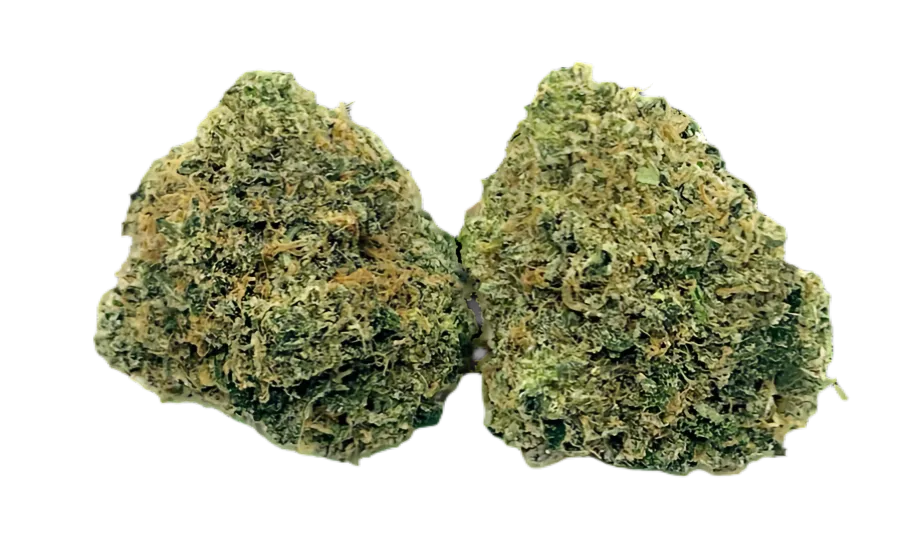
Cannabis flower is the harvested flowering material of the cannabis plant. It is commonly identified by strain names, although names alone cannot establish chemical composition or predict individual effects.
Two products with the same strain name may differ in cannabinoid concentration, terpene composition and cultivation conditions.
For this reason, laboratory testing and accurate labeling provide more meaningful information than broad descriptions such as premium, powerful or high quality.
Cannabis Flower Directory
The 420 Green Haven cannabis flower category contains listings for several named varieties.
The individual product references include:
- Amnesia Haze
- Bay Dream
- Bruce Banner
- Bubba Kush
- Cherry Pie
- Critical Kush
- Fantasy Island
- Frosted Truffles
- Galactic Cookies
- Grease Monkey
- Ice Cream Cake
- King Thunderfuck
Each listing should be evaluated using its current product information, including any available cannabinoid analysis and testing documentation.
Cannabis Flower Research Topics by Location
Cannabis flower research in Los Angeles, California; weed strain information in Denver, Colorado; cannabis flower regulations in Seattle, Washington; cannabis strain information in Toronto, Ontario; cannabis flower laws in Vancouver, British Columbia; cannabis flower regulations in Berlin, Germany; cannabis legislation in London, England; and medicinal cannabis flower information in Sydney, New South Wales are examples of geographically relevant informational topics.
The same approach applies to cannabis research in Paris, France; Amsterdam, Netherlands; Madrid, Spain; Rome, Italy; Zurich, Switzerland; Auckland, New Zealand; Mexico City, Mexico; Bogotá, Colombia; and Montevideo, Uruguay.
These geographic references are not statements that the listed products are legally available in those locations.
Cannabis Shake: Product Composition and Quality Considerations
Cannabis shake generally refers to smaller pieces of cannabis flower and associated plant material.
Because shake may vary in composition, product descriptions should explain what the package contains instead of assuming that every shake product has the same characteristics.
The cannabis shake category includes:
Consumers researching cannabis shake should look for information about the material, packaging, cannabinoid content and available testing.
Relevant geographic topics include cannabis shake regulations in California, mixed cannabis shake information in Colorado, cannabis shake laws in Ontario, cannabis shake product information in Alberta, cannabis shake regulations in Germany and cannabis shake legislation in Australia.
THC Vape Pens: Understanding Devices, Formulations and Safety
Cannabis vape products may contain concentrated cannabinoid formulations intended for use with particular vaporizer devices.
These products can differ in cartridge design, capacity, ingredients, hardware compatibility and cannabinoid concentration.
A product’s flavor name or device appearance does not establish that it is authentic, appropriately manufactured or safe.
THC Vape Product Directory
The catalog includes four pages of THC vape listings:
THC Vape Category — Page 1
THC Vape Category — Page 2
THC Vape Category — Page 3
THC Vape Category — Page 4
Featured Vape Listings: Collection One
- Apple Jacks — CCELL EAZIE POD 1g
- Babby Powder — Cookies
- Banana Runtz — CCELL EAZIE POD 1g
- Batsh!t — Cookies
- Blue Dream — Litto
- Blue Dream — Additional Listing
- Blueberry Banana — Cookies
- Blueberry Haze — CCELL EAZIE POD 1g
- Bubblegum Kush — CCELL EAZIE POD 1g
- Cereal Milk — Cookies
- Chamoy — CCELL EAZIE POD 1g
- Cookies Disposable 3g — Adios MF
Featured Vape Listings: Collection Two
- Cookies Disposable 3g — Hollywood
- Cookies Disposable 5g — Adios MF
- Cookies Disposable 5g — Apples & Bananas
- Cookies Disposable 5g — Blue Razz
- Cookies Disposable 5g — Gelatti
- Cookies Disposable 5g — Tequila Sunrise
- Cookies Disposable 5g — Triple Scoop
- Cookies — Grenadine
- Cookies — Honey Bun
- Dual Chamber — Cereal Milk & Cereal A La Mode
- Dual Chamber — London Pound Cake 75 & Apples & Bananas
- Dual Chamber — Mexican Flan & Cheetah Piss
Featured Vape Listings: Collection Three
- Forbidden Guava — CCELL EAZIE POD 1g
- Grape God — Litto
- Honey Comb — Runtz Liquid Diamonds
- Mimosa — Litto
- Pancakes — Cookies
- Pineapple Express — CCELL EAZIE POD 1g
- Rainbow Belts — CCELL EAZIE POD 1g
- Rainbow Sherbet — CCELL EAZIE POD 1g
- Red Blow Pop — Runtz Liquid Diamond
- Red Starburst — Runtz Liquid Diamond
- Space Club Galaxy Bar 2ML
- Star Burstz — CCELL EAZIE POD 1g
Featured Vape Listings: Collection Four
- Strawberry Cough — CCELL EAZIE POD 1g
- The 10/10 Boys Disposable THC Vape
- Watermelon Zkittlez — CCELL EAZIE POD 1g
THC Vape Regulations Around the World
Readers frequently research THC vape regulations in Las Vegas, Nevada; cannabis vaporizer laws in Los Angeles, California; THC vape product rules in Chicago, Illinois; cannabis vape legislation in Toronto, Ontario; THC vape regulations in Calgary, Alberta; cannabis vape laws in Berlin, Germany; THC vaporizer restrictions in London, United Kingdom; and cannabinoid vaping regulations in Melbourne, Victoria.
Product legality, inhalation safety and device requirements must be evaluated separately. A jurisdiction allowing some forms of cannabis does not necessarily allow every THC vape product.
Cannabis E-Liquids: Why Ingredients Matter
E-liquids are formulated products that may differ substantially in ingredients, concentration and intended use.
Not every liquid is suitable for inhalation, and not every formulation is compatible with every vaping device.
The catalog’s e-liquids category includes a listing titled Vape Juice 5000mg 10ml Bottle.
The quantity in a product title should not be interpreted as independently verified cannabinoid content.
Important research topics include cannabinoid e-liquid ingredients, vaping-liquid testing, device compatibility and national regulations governing controlled cannabinoid formulations.
Cannabis Edibles: Gummies, Capsules and Chocolate
Edibles differ from inhaled cannabis because their active compounds are absorbed through the digestive system.
Effects may take longer to become noticeable and can persist for an extended period.
This delayed onset creates a risk of consuming additional amounts before the initial effects have developed.
Edible Product Directory
The cannabis edibles category includes:
- Fruit Bites 1000mg THC Gummies
- Mango — Premium DANK Gummies
- Orange — Premium DANK Gummies
- Pro Infused 1000mg Capsules
- Pro Infused 500mg Capsules
- Watermelon — Premium DANK Gummies 500mg THC
- Wonka Chocolate 1000mg THC
The quantities in these names have not been independently verified. Readers should examine the actual labeling and distinguish between the total package amount and any individual serving amount.
Cannabis edibles must be stored securely away from children and pets.
Cannabis Edible Research by Location
Relevant informational topics include THC edible regulations in New York, cannabis gummy laws in California, cannabis chocolate regulations in Massachusetts, edible cannabis rules in Ontario, THC capsule legislation in British Columbia, cannabis edible restrictions in the United Kingdom, THC gummy laws in Germany and medicinal cannabis edible regulations in Australia.
Cannabis Hash: Traditional Preparations and Concentrated Products
Hash is commonly produced from resin-rich cannabis material.
Its appearance and composition depend on the production process, starting material and handling conditions.
The hash category includes:
- Cereal Milk Hash
- Dark Rhino Hash
- Honey Hashish
- Ice Cream Cake Hash 5g
- Peanut Butter Bananas
- Top Dray Hash
Consumers should avoid judging concentration, purity or safety by color, texture or product name alone.
Geographic research topics include cannabis hash laws in Amsterdam, Netherlands; hashish regulations in Madrid, Spain; cannabis hash information in Lisbon, Portugal; hash regulations in Toronto, Canada; and cannabis concentrate legislation in Denver, Colorado.
Cannabis Extracts: Badder, Crumble, Live Resin, Rosin and Distillate
Cannabis extracts are concentrated preparations produced using different methods.
The terminology often describes either the processing technique or the resulting consistency.
For example, badder and crumble are commonly used to describe textures, while live resin and hash rosin are associated with particular production methods.
Cannabis Extract Directory
The cannabis extracts category includes:
- Biscotti Badder
- Crumble
- Delta-9 THC Distillate
- Live Resin Badder
- Live Resin Sugar
- Rainbow Belts Hash Rosin by Wonderbrett
- Rick Simpson Oil (RSO) 1G
Concentrated THC products may produce substantial intoxication and adverse effects.
In particular, claims that Rick Simpson Oil cures cancer or other serious diseases are not supported by reliable clinical evidence.
Cannabis Extract Information by Region
Readers may research live resin regulations in Oregon, THC distillate laws in Nevada, cannabis concentrate rules in Washington, hash rosin regulations in Colorado, cannabis extract legislation in Ontario, cannabinoid concentrate regulations in Alberta, cannabis extract laws in Germany and medical cannabis oil rules in Australia.
Cannabis Health Research in 2026: What the Latest Evidence Shows
Interest in cannabis as a potential therapeutic substance continues to grow. However, the strongest conclusions come from well-designed clinical trials and systematic reviews—not product marketing or personal testimonials.
Recent studies illustrate both the possibilities and the limitations of cannabinoid-based interventions.
September 2026: Medical Cannabis and Cancer-Related Symptoms
A report published by the Minnesota Office of Cannabis Management in September 2026 examined data from 6,621 cancer patients who had participated in the state’s medical cannabis program.
Among patients who initially reported moderate or severe symptoms, the report found that:
- 47.2% reported a meaningful reduction in vomiting symptoms within four months.
- 39.9% reported improvement in nausea.
- 38.2% reported improvement in appetite-related symptoms.
- 29.9% reported improvement in pain.
These results are noteworthy, but the study relied on observational program data and patient-reported outcomes. It cannot establish that cannabis caused the improvements or that similar results would occur in a randomized clinical trial.
Research reference: Minnesota Office of Cannabis Management — Cancer Patient Research
Why the Findings Matter
Managing symptoms such as nausea, vomiting and appetite loss can be important during cancer treatment.
Nevertheless, the study does not show that cannabis treats or cures cancer.
Patients should continue evidence-based cancer care and discuss any cannabinoid treatment with their oncology team.
October 2026: Cannabis and Insomnia
Sleep is frequently mentioned in discussions about the possible benefits of cannabis.
However, a Cochrane review published on October 13, 2026, examined nine studies involving 537 adults and found that evidence supporting medical cannabis for insomnia remains uncertain.
The review reported little or no clinically meaningful improvement in sleep quality, total sleep time or daytime functioning compared with placebo.
Some participants also experienced adverse effects, including dizziness and dry mouth.
Research reference: Cochrane — Medical Cannabis for Insomnia, October 2026
What This Means for Sleep Research
Cannabis can produce sedation, but feeling sleepy is not the same as experiencing better-quality sleep.
People with persistent insomnia should consider established treatments and consult a qualified healthcare professional.
Potential Benefits: Where Medical Research Is Focused
Researchers continue studying cannabinoids for several medical applications.
Chemotherapy-related nausea and vomiting: Certain regulated cannabinoid medicines have been used in selected clinical situations, particularly when conventional treatments have not provided adequate relief.
Chronic pain: Some cannabinoid formulations may offer modest short-term benefits for certain pain conditions, although side effects and limitations in the evidence remain important.
Multiple sclerosis symptoms: Specific cannabinoid-based medicines have been investigated for muscle spasticity and associated symptoms.
Certain seizure disorders: Particular purified cannabidiol medicines have established roles in treating specific forms of epilepsy under medical supervision.
Appetite-related symptoms: Researchers have investigated cannabinoids in selected conditions associated with reduced appetite.
These findings concern specific medicines, formulations and clinical circumstances. They cannot be applied automatically to every commercial cannabis product.
Cannabis Health Risks That Should Not Be Overlooked
Balanced cannabis education must address potential harms alongside possible benefits.
THC may impair attention, memory, reaction time and coordination.
Other concerns include anxiety, panic, dependence, accidental ingestion, interactions with medications and the effects of frequent exposure to high-THC products.
Driving or operating machinery while impaired is unsafe.
People who are pregnant or breastfeeding, adolescents, and individuals with certain psychiatric or cardiovascular conditions may face additional risks.
The central scientific message is clear: cannabis is not one uniform medicine, and product-specific evidence matters.
Global Cannabis Research and Legal Information by Country, State and City
Cannabis regulation differs widely around the world.
The geographic directory below identifies places that readers may use when researching cannabis laws, medical access, public-health information and product categories.
It is not a directory of confirmed delivery destinations or legal retail markets.
United States: Cannabis Topics Across All 50 States
Cannabis flower research in California may be relevant to readers in Los Angeles, San Diego, San Francisco, Sacramento, San Jose, Oakland and Fresno.
THC vape regulations in Colorado may interest readers in Denver, Boulder, Colorado Springs and Aurora.
Cannabis edible legislation in New York may be researched by residents of New York City, Buffalo, Rochester and Albany.
Cannabis concentrate regulations in Washington may be relevant to Seattle, Tacoma, Spokane and Bellevue.
Other state and city research topics include:
Alabama: Birmingham, Montgomery, Mobile and Huntsville.
Alaska: Anchorage, Fairbanks and Juneau.
Arizona: Phoenix, Tucson, Mesa and Scottsdale.
Arkansas: Little Rock, Fayetteville and Fort Smith.
Connecticut: Hartford, New Haven and Stamford.
Delaware: Wilmington, Dover and Newark.
Florida: Miami, Orlando, Tampa and Jacksonville.
Georgia: Atlanta, Savannah and Augusta.
Hawaii: Honolulu and Hilo.
Idaho: Boise, Meridian and Idaho Falls.
Illinois: Chicago, Springfield and Aurora.
Indiana: Indianapolis, Fort Wayne and Bloomington.
Iowa: Des Moines, Cedar Rapids and Davenport.
Kansas: Wichita, Topeka and Overland Park.
Kentucky: Louisville, Lexington and Bowling Green.
Louisiana: New Orleans, Baton Rouge and Lafayette.
Maine: Portland, Bangor and Augusta.
Maryland: Baltimore, Annapolis and Frederick.
Massachusetts: Boston, Worcester and Cambridge.
Michigan: Detroit, Grand Rapids and Ann Arbor.
Minnesota: Minneapolis, Saint Paul and Rochester.
Mississippi: Jackson, Gulfport and Hattiesburg.
Missouri: Kansas City, St. Louis and Springfield.
Montana: Billings, Missoula and Bozeman.
Nebraska: Omaha, Lincoln and Bellevue.
Nevada: Las Vegas, Reno and Henderson.
New Hampshire: Manchester, Nashua and Concord.
New Jersey: Newark, Jersey City and Trenton.
New Mexico: Albuquerque, Santa Fe and Las Cruces.
North Carolina: Charlotte, Raleigh and Durham.
North Dakota: Fargo, Bismarck and Grand Forks.
Ohio: Columbus, Cleveland and Cincinnati.
Oklahoma: Oklahoma City, Tulsa and Norman.
Oregon: Portland, Eugene and Salem.
Pennsylvania: Philadelphia, Pittsburgh and Harrisburg.
Rhode Island: Providence, Warwick and Cranston.
South Carolina: Charleston, Columbia and Greenville.
South Dakota: Sioux Falls, Rapid City and Aberdeen.
Tennessee: Nashville, Memphis and Knoxville.
Texas: Houston, Dallas, Austin and San Antonio.
Utah: Salt Lake City, Provo and Ogden.
Vermont: Burlington, Montpelier and Rutland.
Virginia: Richmond, Virginia Beach and Norfolk.
West Virginia: Charleston, Huntington and Morgantown.
Wisconsin: Milwaukee, Madison and Green Bay.
Wyoming: Cheyenne, Casper and Laramie.
Washington, D.C., should be treated separately when preparing jurisdiction-specific legal content.
U.S. Geographic Keyword Examples
Cannabis flower regulations in Los Angeles, California; THC vape laws in Denver, Colorado; cannabis edible information in New York City, New York; cannabis hash regulations in Portland, Oregon; cannabis extract legislation in Seattle, Washington; and medical cannabis research in Minneapolis, Minnesota.
Canada: Cannabis Research Across Provinces and Territories
Canadian readers may research cannabis flower regulations in Toronto, Ontario; cannabis vape rules in Vancouver, British Columbia; THC edible regulations in Calgary, Alberta; cannabis extract legislation in Montreal, Quebec; or cannabis product laws in Winnipeg, Manitoba.
Other geographic topics include:
Ontario: Toronto, Ottawa, Hamilton, London, Mississauga, Brampton, Windsor and Kingston.
British Columbia: Vancouver, Victoria, Surrey, Burnaby, Kelowna, Richmond and Nanaimo.
Alberta: Calgary, Edmonton, Red Deer, Lethbridge, Medicine Hat, Leduc and Fort McMurray.
Quebec: Montreal, Quebec City, Laval, Gatineau, Sherbrooke and Longueuil.
Manitoba: Winnipeg, Brandon and Steinbach.
Saskatchewan: Saskatoon, Regina and Prince Albert.
Nova Scotia: Halifax, Sydney and Truro.
New Brunswick: Moncton, Saint John and Fredericton.
Newfoundland and Labrador: St. John’s and Corner Brook.
Prince Edward Island: Charlottetown and Summerside.
Yukon: Whitehorse and Dawson City.
Northwest Territories: Yellowknife and Hay River.
Nunavut: Iqaluit and Rankin Inlet.
Canadian Geographic Keyword Examples
Cannabis flower information in Edmonton, Alberta; cannabis edible regulations in Toronto, Ontario; THC vape laws in Vancouver, British Columbia; cannabis hash legislation in Montreal, Quebec; and cannabis extract information in Halifax, Nova Scotia.
Europe: Cannabis Information Across Countries and Regions
Europe does not operate under one universal cannabis law.
National policies differ, and rules governing medical access, possession, commercial distribution and cross-border movement must be considered independently.
Relevant country and city topics include:
United Kingdom: London, Manchester, Birmingham, Liverpool, Leeds, Bristol, Sheffield, Edinburgh, Glasgow, Cardiff, Swansea, Belfast and Derry/Londonderry.
Germany: Berlin, Hamburg, Munich, Frankfurt, Cologne, Düsseldorf, Stuttgart, Leipzig, Dresden and Hanover.
France: Paris, Marseille, Lyon, Toulouse, Nice, Bordeaux, Strasbourg and Lille.
Spain: Madrid, Barcelona, Valencia, Seville, Málaga, Bilbao, Zaragoza and Alicante.
Italy: Rome, Milan, Naples, Turin, Bologna, Florence, Venice and Palermo.
Netherlands: Amsterdam, Rotterdam, The Hague, Utrecht, Eindhoven and Maastricht.
Portugal: Lisbon, Porto, Braga, Coimbra and Faro.
Belgium: Brussels, Antwerp, Ghent, Bruges and Liège.
Switzerland: Zurich, Geneva, Basel, Bern, Lausanne and Lucerne.
Austria: Vienna, Graz, Salzburg, Innsbruck and Linz.
Ireland: Dublin, Cork, Galway, Limerick and Waterford.
Denmark: Copenhagen, Aarhus, Odense and Aalborg.
Sweden: Stockholm, Gothenburg, Malmö, Uppsala and Lund.
Norway: Oslo, Bergen, Trondheim, Stavanger and Tromsø.
Finland: Helsinki, Espoo, Tampere, Turku and Oulu.
Poland: Warsaw, Kraków, Gdańsk, Wrocław and Poznań.
Czechia: Prague, Brno, Ostrava and Plzeň.
Slovakia: Bratislava, Košice and Žilina.
Hungary: Budapest, Debrecen, Szeged and Pécs.
Greece: Athens, Thessaloniki, Patras and Heraklion.
Croatia: Zagreb, Split, Rijeka and Dubrovnik.
Slovenia: Ljubljana, Maribor and Celje.
Romania: Bucharest, Cluj-Napoca, Timișoara and Iași.
Bulgaria: Sofia, Plovdiv, Varna and Burgas.
Estonia: Tallinn, Tartu and Narva.
Latvia: Riga, Daugavpils and Liepāja.
Lithuania: Vilnius, Kaunas and Klaipėda.
Luxembourg: Luxembourg City and Esch-sur-Alzette.
Malta: Valletta, Sliema and Birkirkara.
Cyprus: Nicosia, Limassol, Larnaca and Paphos.
Iceland: Reykjavík, Akureyri and Keflavík.
Albania: Tirana, Durrës, Vlorë and Shkodër.
Andorra: Andorra la Vella and Escaldes-Engordany.
Belarus: Minsk, Brest and Gomel.
Bosnia and Herzegovina: Sarajevo, Banja Luka and Mostar.
Moldova: Chișinău and Bălți.
Monaco: Monaco and Monte Carlo.
Montenegro: Podgorica, Budva and Kotor.
North Macedonia: Skopje, Bitola and Ohrid.
Serbia: Belgrade, Novi Sad and Niš.
Ukraine: Kyiv, Lviv, Odesa and Kharkiv.
Russia: Moscow, Saint Petersburg and Kazan.
San Marino: San Marino and Dogana.
Liechtenstein: Vaduz and Schaan.
Vatican City: Vatican City.
Additional European and transcontinental geographic topics include cannabis regulations in Armenia, Azerbaijan, Georgia, Kazakhstan, Kosovo and Türkiye.
European Geographic Keyword Examples
Cannabis flower laws in Berlin, Germany; THC vape regulations in London, United Kingdom; cannabis edible legislation in Paris, France; cannabis hash laws in Amsterdam, Netherlands; cannabis extract information in Madrid, Spain; and medicinal cannabis research in Rome, Italy.
Australia: Cannabis Information Across States and Territories
Australian readers may research medicinal cannabis flower in Sydney, New South Wales; THC product regulations in Melbourne, Victoria; cannabis oil legislation in Brisbane, Queensland; cannabinoid extract rules in Perth, Western Australia; or medicinal cannabis access in Adelaide, South Australia.
Australian Geographic Directory
New South Wales: Sydney, Newcastle, Wollongong, Central Coast, Maitland, Tweed Heads, Wagga Wagga, Albury, Tamworth, Orange, Dubbo and Bathurst.
Victoria: Melbourne, Geelong, Ballarat, Bendigo, Shepparton, Warrnambool, Mildura and Wodonga.
Queensland: Brisbane, Gold Coast, Sunshine Coast, Townsville, Cairns, Toowoomba, Mackay, Rockhampton, Bundaberg and Hervey Bay.
Western Australia: Perth, Bunbury, Geraldton, Albany, Kalgoorlie and Busselton.
South Australia: Adelaide, Mount Gambier, Whyalla, Murray Bridge and Port Pirie.
Tasmania: Hobart, Launceston, Devonport and Burnie.
Northern Territory: Darwin, Alice Springs, Palmerston and Katherine.
Australian Capital Territory: Canberra.
Medical cannabis access in Australia operates under specific regulatory requirements. General commercial product listings should not be presented as substitutes for regulated medical supply.
Mexico and Central America: Cannabis Research by Region
Mexico: Mexico City, Guadalajara, Monterrey, Puebla, Tijuana, Cancún, Mérida, Querétaro, León and Oaxaca City.
Relevant Mexican states include Baja California, Baja California Sur, Chihuahua, Coahuila, Jalisco, Nuevo León, Quintana Roo, Yucatán, Sonora, Sinaloa, Veracruz, Puebla, Oaxaca, Chiapas and the State of Mexico.
Belize: Belize City, Belmopan and San Ignacio.
Costa Rica: San José, Alajuela, Heredia, Liberia and Limón.
El Salvador: San Salvador, Santa Ana and San Miguel.
Guatemala: Guatemala City, Antigua Guatemala and Quetzaltenango.
Honduras: Tegucigalpa, San Pedro Sula and La Ceiba.
Nicaragua: Managua, León and Granada.
Panama: Panama City, David and Colón.
Regional topics include cannabis legislation in Mexico City, medicinal cannabis regulations in San José, cannabis research in Guatemala City and cannabinoid product laws in Panama City.
South America: Cannabis Information Across Countries and Cities
Argentina: Buenos Aires, Córdoba, Rosario, Mendoza, La Plata, Mar del Plata and Salta.
Bolivia: La Paz, Santa Cruz de la Sierra, Cochabamba and Sucre.
Brazil: São Paulo, Rio de Janeiro, Brasília, Salvador, Fortaleza, Belo Horizonte, Curitiba, Recife and Porto Alegre.
Chile: Santiago, Valparaíso, Concepción and Antofagasta.
Colombia: Bogotá, Medellín, Cali, Barranquilla, Cartagena and Bucaramanga.
Ecuador: Quito, Guayaquil, Cuenca and Santo Domingo de los Colorados.
Guyana: Georgetown.
Paraguay: Asunción, Ciudad del Este and Encarnación.
Peru: Lima, Arequipa, Cusco, Trujillo and Piura.
Suriname: Paramaribo.
Uruguay: Montevideo, Punta del Este and Salto.
Venezuela: Caracas, Maracaibo, Valencia, Barquisimeto and Maracay.
French Guiana: Cayenne and Kourou.
South American Geographic Keyword Examples
Cannabis research in Buenos Aires, Argentina; cannabinoid regulations in São Paulo, Brazil; medicinal cannabis information in Santiago, Chile; cannabis product legislation in Bogotá, Colombia; cannabis extract laws in Lima, Peru; and cannabis regulation research in Montevideo, Uruguay.
Caribbean Cannabis Research and Regulatory Topics
The Caribbean includes independent countries and territories with differing legal frameworks.
Relevant locations include:
Jamaica: Kingston, Montego Bay, Spanish Town and Ocho Rios.
Cuba: Havana, Santiago de Cuba and Camagüey.
The Bahamas: Nassau and Freeport.
Barbados: Bridgetown and Speightstown.
Dominican Republic: Santo Domingo, Santiago de los Caballeros and Punta Cana.
Haiti: Port-au-Prince and Cap-Haïtien.
Trinidad and Tobago: Port of Spain, San Fernando and Scarborough.
Antigua and Barbuda: St. John’s.
Dominica: Roseau and Portsmouth.
Grenada: St. George’s.
Saint Kitts and Nevis: Basseterre and Charlestown.
Saint Lucia: Castries and Gros Islet.
Saint Vincent and the Grenadines: Kingstown.
Puerto Rico: San Juan, Ponce and Mayagüez.
Aruba: Oranjestad.
Curaçao: Willemstad.
Bonaire: Kralendijk.
British Virgin Islands: Road Town.
Cayman Islands: George Town.
Turks and Caicos Islands: Cockburn Town.
United States Virgin Islands: Charlotte Amalie and Cruz Bay.
Sint Maarten: Philipsburg.
Saint Martin: Marigot.
Guadeloupe: Basse-Terre.
Martinique: Fort-de-France.
Other regional research topics include Anguilla, Bermuda, Montserrat, Saba, Sint Eustatius and Saint Barthélemy.
Caribbean Geographic Keyword Examples
Cannabis laws in Kingston, Jamaica; cannabis research in Nassau, Bahamas; cannabinoid regulations in Bridgetown, Barbados; medicinal cannabis information in San Juan, Puerto Rico; and cannabis legislation in Port of Spain, Trinidad and Tobago.
Frequently Asked Questions
What is the difference between cannabis flower and cannabis extracts?
Cannabis flower is harvested plant material, while extracts are concentrated preparations produced using different processing methods. Their chemical composition and potential effects may differ considerably.
Are THC vape pens safer than smoking cannabis?
Neither method is risk-free. Vape products may introduce risks associated with ingredients, contaminants and device design, while smoking exposes the lungs to combustion products.
Do cannabis edibles have different effects from inhaled products?
Yes. Edibles generally have a slower onset and may produce longer-lasting effects, which can increase the risk of unintended overconsumption.
Can cannabis help with cancer symptoms?
Certain cannabinoid interventions have been studied for symptoms such as nausea and vomiting. Recent observational research has reported symptom improvements among some patients, but it does not prove causation or show that cannabis treats cancer itself.
Is cannabis an effective treatment for insomnia?
Current evidence is uncertain. A 2026 Cochrane review did not establish meaningful improvements in major sleep outcomes.
Can cannabis products be legally shipped worldwide?
No general assumption of worldwide legality or delivery is appropriate. International and domestic restrictions depend on the product and jurisdiction.
Does a cannabis strain name guarantee a particular effect?
No. Strain names are not reliable substitutes for product-specific chemical analysis.
Why is laboratory testing important?
Appropriate testing may help verify cannabinoid content and identify certain contaminants. Its usefulness depends on the methods used, the laboratory and the information actually reported.
The Future of Cannabis Education and Research
Cannabis research is developing, but scientific progress requires careful interpretation.
Some cannabinoid-based medicines have demonstrated benefits for selected conditions. Other proposed applications remain uncertain, and commercial products should not inherit medical claims from studies involving different formulations.
For readers researching cannabis flower in the United States, THC vape products in Canada, cannabis extracts in Europe, medicinal cannabis in Australia or cannabis laws in Latin America, accurate information is more valuable than exaggerated promises.
420 Green Haven’s product directory provides a way to identify the listed categories and individual product names. Readers should independently verify product information, local legal requirements and relevant health considerations.
As cannabis science advances, the most useful resources will remain those that explain the evidence clearly, acknowledge uncertainty and place consumer safety ahead of unsupported claims.
