
buy CBD oil online, buy concentrates online, buy live resin online, buy medical weed online, buy pre rolls online, Buy Weed Online, dispensary open late near me, Guide, Health, Innovation, order weed online, Style, top rated cannabis dispensaries, Uncategorized, Weed For Sale, Weed For Sale Online, weed store near me
Cannabis Strains, CBD, THC Vapes, Edibles and Extracts: A Comprehensive Guide Across Australia, Europe and the Americas
Oct
Cannabis Strains, CBD, THC Vapes, Edibles and Extracts: A Comprehensive Guide Across Australia, Europe and the Americas
Discover the Growing World of Cannabis and Cannabinoid Research
Cannabis has become an increasingly important subject in medical research, wellness discussions, and public health education. From Sydney and Melbourne to London, Berlin, Toronto, New York, and São Paulo, interest in cannabis products continues to generate questions about cannabinoids, plant varieties, product formulations, and potential therapeutic applications.
Whether someone is researching CBD oil in Australia, medical cannabis in Germany, cannabis strains in Canada, or cannabinoid extracts in the United States, understanding the differences between products is essential.
This guide explores the cannabis product categories featured by 420 Green Haven, alongside scientific research, product terminology, and geographical search trends.
Cannabis Flowers and Popular Strain Varieties
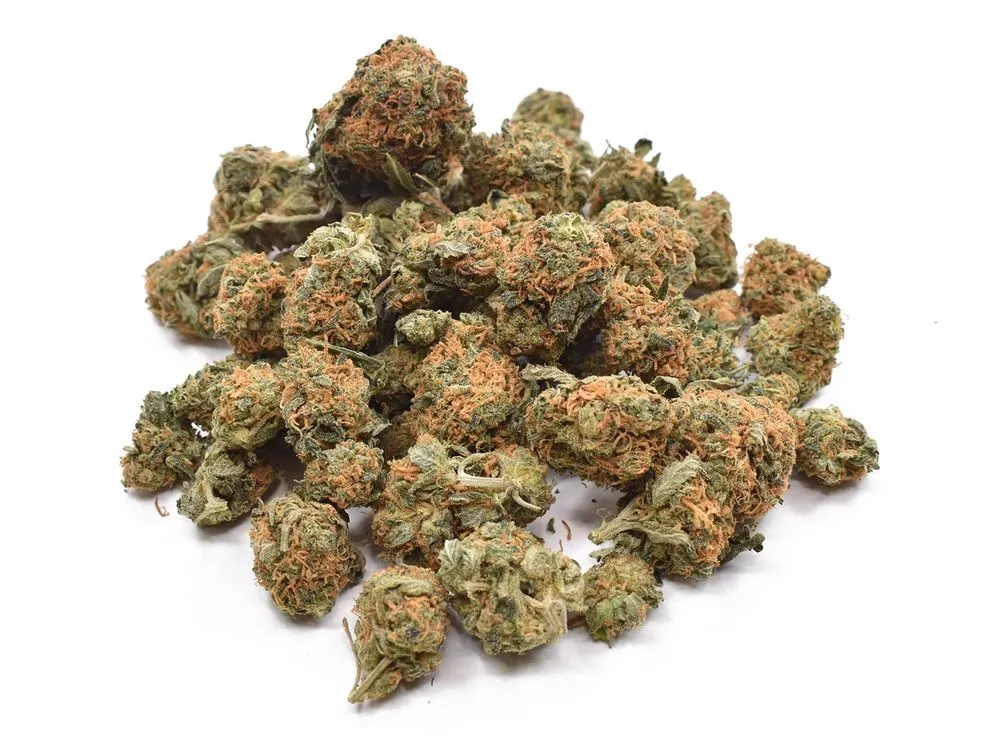
Cannabis flowers are commonly discussed in relation to their cannabinoid profiles, terpene composition, cultivation characteristics, and reported effects.
Popular strain names include:
- Amnesia Haze
- Bay Dream
- Bruce Banner
- Bubba Kush
- Cherry Pie
- Critical Kush
- Fantasy Island
- Frosted Truffles
- Galactic Cookies
- Grease Monkey
- Ice Cream Cake
- King Thunderfuck
These names frequently appear in searches about cannabis flowers, indica and sativa varieties, hybrid strains, and terpene profiles.
However, strain names alone do not reliably establish a product’s cannabinoid content or effects. Laboratory testing provides more meaningful information about THC, CBD, and other constituents.
Cannabis Research and Potential Health Benefits
Cannabis contains numerous compounds, including tetrahydrocannabinol (THC) and cannabidiol (CBD). Researchers continue to investigate how these compounds interact with the body’s endocannabinoid system.
Cannabis and Chronic Pain Research
Some clinical studies suggest that certain cannabinoid-based treatments may provide modest relief for specific chronic pain conditions.
Nevertheless, results vary considerably, and adverse effects must be considered. Cannabis is not established as a universally superior alternative to conventional pain treatments.
Cannabinoids and Epilepsy
Purified prescription cannabidiol has demonstrated benefits for certain severe seizure disorders, including Dravet syndrome and Lennox-Gastaut syndrome.
Importantly, these findings concern specific pharmaceutical formulations rather than all commercially available CBD products.
Cannabis and Chemotherapy-Related Nausea
Certain cannabinoid medicines can help manage chemotherapy-induced nausea and vomiting in selected patients, particularly when standard treatments are insufficient.
Cannabis, Sleep and Anxiety
Researchers are examining whether particular cannabinoid formulations may improve sleep or reduce anxiety symptoms.
However, evidence remains mixed. THC can also worsen anxiety in some individuals, and cannabis use may affect attention, memory, and coordination.
Understanding Cannabis Vapes and Concentrates
Cannabis vape products and extracts differ in cannabinoid concentration, ingredients, formulation, and manufacturing processes.
Common product terminology includes THC vape pens, disposable cartridges, live resin, distillate, rosin, wax, badder, and crumble.
Concentrated cannabis products can contain substantially higher THC levels than conventional cannabis flowers. Higher potency does not automatically mean greater therapeutic benefit.
Cannabis Edibles, Gummies and Capsules
Cannabis edibles include gummies, chocolates, capsules, and other ingestible formulations.
Unlike inhaled cannabis, orally consumed THC generally takes longer to produce noticeable effects. Effects can also last considerably longer.
Product labels may display cannabinoid quantities in milligrams, but those figures should not be interpreted as evidence of medical effectiveness.
Cannabis Education Across Australia
Interest in cannabis research extends across Australia’s states and territories.
In New South Wales, relevant geographical search terms include Sydney, Newcastle, Wollongong, Central Coast, Maitland, Dubbo, and Tamworth.
In Victoria, cannabis-related searches may reference Melbourne, Geelong, Ballarat, Bendigo, and Mildura.
In Queensland, major locations include Brisbane, Gold Coast, Sunshine Coast, Cairns, Townsville, and Toowoomba.
Other important locations include Perth in Western Australia, Adelaide in South Australia, Hobart in Tasmania, Darwin in the Northern Territory, and Canberra in the Australian Capital Territory.
Educational topics relevant to these regions include medical cannabis research, CBD formulations, cannabinoid safety, and therapeutic evidence.
Cannabis Research Across Europe
European cannabis research and public health discussions span numerous countries and regions.
In Germany, major locations include Berlin, Munich, Hamburg, Frankfurt, Cologne, Düsseldorf, Stuttgart, Leipzig, and Dresden.
In France, relevant cities include Paris, Marseille, Lyon, Nice, Bordeaux, Toulouse, Lille, and Strasbourg.
In Spain, geographical searches frequently reference Madrid, Barcelona, Valencia, Seville, Málaga, Bilbao, and Alicante.
Additional European locations include:
United Kingdom: London, Manchester, Birmingham, Liverpool, Edinburgh, Glasgow, Cardiff, and Belfast.
Netherlands: Amsterdam, Rotterdam, The Hague, Utrecht, Eindhoven, and Maastricht.
Italy: Rome, Milan, Naples, Florence, Turin, Venice, and Bologna.
Switzerland: Zurich, Geneva, Basel, Bern, Lausanne, and Lucerne.
Portugal: Lisbon, Porto, Braga, Coimbra, and Faro.
Austria: Vienna, Graz, Salzburg, Linz, and Innsbruck.
Across these locations, educational searches often concern CBD research, cannabinoid medicines, cannabis flower characteristics, and emerging clinical evidence.
Cannabis Education in North America
North America includes several major centers of cannabis research.
In the United States, geographical topics span California, Colorado, New York, Texas, Florida, Washington, Oregon, Illinois, Michigan, Massachusetts, and other states.
Important cities include Los Angeles, New York City, Chicago, Houston, Denver, Seattle, San Francisco, Miami, Boston, and Las Vegas.
In Canada, research and public health discussions extend across Ontario, British Columbia, Alberta, Quebec, Manitoba, and other provinces and territories.
Major cities include Toronto, Vancouver, Montreal, Calgary, Edmonton, Ottawa, and Winnipeg.
In Mexico, geographical search terms include Mexico City, Guadalajara, Monterrey, Tijuana, Cancún, Puebla, and Mérida.
Cannabis Research in South America and the Caribbean
Cannabinoid research and medical cannabis discussions also extend across South America and the Caribbean.
Important South American locations include:
Brazil: São Paulo, Rio de Janeiro, Brasília, Salvador, Belo Horizonte, and Curitiba.
Argentina: Buenos Aires, Córdoba, Rosario, Mendoza, and La Plata.
Colombia: Bogotá, Medellín, Cali, Cartagena, and Barranquilla.
Chile: Santiago, Valparaíso, Concepción, and Antofagasta.
Peru: Lima, Arequipa, Cusco, Trujillo, and Piura.
Uruguay: Montevideo, Salto, and Punta del Este.
Caribbean locations include Kingston in Jamaica, Nassau in the Bahamas, Bridgetown in Barbados, Santo Domingo in the Dominican Republic, and Port of Spain in Trinidad and Tobago.
Research priorities and healthcare practices differ between countries, making reliable local medical information particularly important.
The Future of Cannabis and Cannabinoid Medicine
Scientific interest in cannabis continues to expand.
Researchers are investigating cannabinoid formulations for chronic pain, neurological disorders, sleep disturbances, inflammatory conditions, and other therapeutic applications.
Future progress will depend on carefully designed clinical trials, standardized formulations, consistent dosing, and long-term safety studies.
For readers exploring cannabis strains, CBD oils, THC products, edibles, hash, and extracts, the most valuable information comes from reliable research rather than exaggerated health claims.
As scientific understanding develops, evidence-based cannabis education will remain essential for consumers, healthcare professionals, and researchers worldwide.
