buy CBD oil online, buy concentrates online, buy live resin online, buy medical weed online, buy pre rolls online, Buy Weed Online, dispensary open late near me, Guide, Health, Innovation, order weed online, Style, top rated cannabis dispensaries, Uncategorized, Weed For Sale, Weed For Sale Online, weed store near me
The Evolution of Cannabis in 2026: Exploring Premium Weed Strains, THC Vapes, Edibles, Hash, Concentrates, and Modern Cannabis Products
Nov
The Evolution of Cannabis in 2026: Exploring Premium Weed Strains, THC Vapes, Edibles, Hash, Concentrates, and Modern Cannabis Products
The cannabis industry continues to evolve, introducing new product varieties, innovative extraction methods, and changing consumer preferences. In 2026, cannabis culture encompasses much more than traditional flower. From carefully selected cannabis strains and premium hash to modern THC vape products, infused edibles, and concentrated extracts, today’s product landscape offers a wide variety of options for adults interested in learning about cannabis.
As the industry develops, consumers are paying closer attention to product variety, cannabinoid content, terpene profiles, manufacturing standards, and transparent product information. Consequently, understanding the differences between cannabis categories has become increasingly important.
At 420 Green Haven, our product directory brings together several cannabis-related categories, including premium weed strains, cannabis shake, THC vape pens, cannabis edibles, hash and hashish, cannabis extracts, and e-liquids.
This guide explores the different cannabis product categories, emerging industry developments, popular product varieties, and important considerations shaping cannabis conversations in 2026.
1. Premium Cannabis Flower: Exploring Popular Weed Strains in 2026
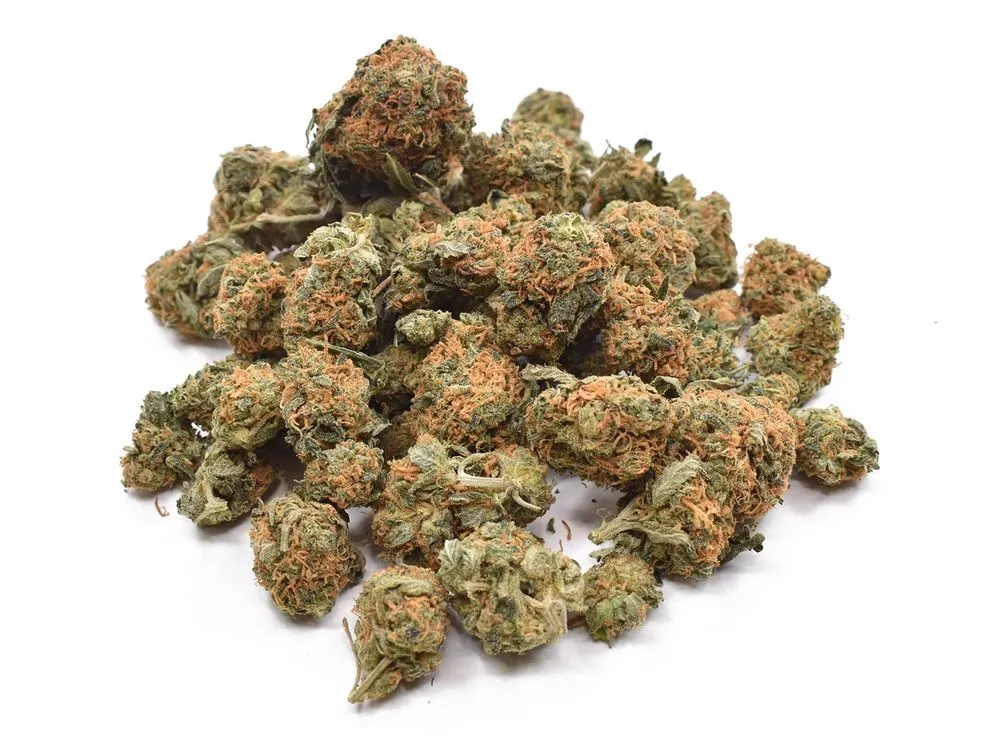
Cannabis flower remains one of the most recognizable categories in the industry. It is valued for its diverse aromas, appearances, terpene compositions, and cannabinoid profiles.
Different cannabis varieties can have distinct characteristics. Some are associated with citrus and fruity aromas, while others feature earthy, sweet, spicy, or herbal notes.
Consumers researching premium cannabis flower, indica weed strains, sativa cannabis varieties, and hybrid cannabis strains often compare strain characteristics, available product information, and laboratory testing.
Popular strain names in the cannabis market include:
- Amnesia Haze – Recognized for its distinctive citrus and herbal aroma.
- Bay Dream – A familiar name among cannabis strain enthusiasts.
- Bruce Banner – Known for its distinctive place in modern strain culture.
- Bubba Kush – Commonly associated with earthy and coffee-like aromatic characteristics.
- Cherry Pie – Recognized for its sweet, fruit-inspired aroma.
- Critical Kush – A popular name in discussions about established cannabis varieties.
- Fantasy Island – A distinctive strain name within contemporary cannabis culture.
- Frosted Truffles – Associated with dessert-inspired strain naming.
- Galactic Cookies – A recognizable name among modern cannabis varieties.
- Grease Monkey – Known for its distinctive strain identity.
- Ice Cream Cake – Often associated with sweet, creamy, dessert-like aromas.
- King Thunderfuck – A recognizable name in cannabis strain collections.
What Makes Cannabis Flower Different?
Several characteristics help distinguish one cannabis variety from another:
Terpene profiles: Terpenes contribute to the aroma and flavor of cannabis. Common examples include myrcene, limonene, pinene, and caryophyllene.
Cannabinoid composition: THC, CBD, and other cannabinoids contribute to the chemical profile of a cannabis product.
Appearance: Flower characteristics can include bud structure, coloration, visible trichomes, and overall presentation.
Cultivation and testing: Growing conditions, harvesting, curing, storage, and independent laboratory testing can influence product quality.
For anyone researching different cannabis strains, understanding these characteristics provides a more informed starting point.
2. Cannabis Shake: Understanding an Often-Overlooked Category
Cannabis shake is another established category within the cannabis market. It generally consists of smaller pieces of cannabis flower and loose plant material collected during handling and packaging.
Although shake may have a different appearance from whole flower buds, its composition and quality can vary considerably depending on its source and processing.
People researching cannabis shake, premium weed shake, mixed cannabis shake, and cannabis flower alternatives should consider the product’s composition, freshness, storage conditions, and available testing information.
Examples include:
Shake is an important part of the broader cannabis product landscape because it demonstrates how different forms of cannabis flower are categorized and presented.
3. THC Vape Pens: Technology and Changing Cannabis Product Formats
Vaporizer technology has become a significant part of contemporary cannabis product discussions. THC vape products are available in different formats, including disposable devices, cartridge-based systems, pod systems, and dual-chamber products.
A THC vape pen typically contains a cannabis-derived formulation designed for use with compatible vaporization hardware.
However, not all vape products are identical. Their ingredients, cannabinoid concentrations, extraction methods, hardware, and manufacturing standards can differ.
Popular product names within this category include:
- Apple Jacks CCELL EAZIE POD
- Banana Runtz CCELL EAZIE POD
- Blueberry Haze CCELL EAZIE POD
- Bubblegum Kush CCELL EAZIE POD
- Chamoy CCELL EAZIE POD
- Forbidden Guava CCELL EAZIE POD
- Pineapple Express CCELL EAZIE POD
- Rainbow Belts CCELL EAZIE POD
- Rainbow Sherbet CCELL EAZIE POD
- Strawberry Cough CCELL EAZIE POD
- Watermelon Zkittlez CCELL EAZIE POD
- Blue Dream Litto
- Grape God Indica Litto
- Mimosa Hybrid Litto
- Honey Comb Runtz Liquid Diamonds
- Cookies Disposable Vape Products
- Space Club Galaxy Bar
- Dual Chamber Cannabis Vape Products
Understanding Vape Product Specifications
When researching cannabis vaporizer products, several details deserve attention:
- Cannabinoid composition and concentration.
- Ingredient transparency.
- Hardware compatibility.
- Manufacturing and quality-control standards.
- Independent laboratory testing.
- Proper product labeling and storage instructions.
Consumers should also understand that vaping cannabis is not risk-free. Product ingredients and device safety matter, and unverified or illicit cartridges can present additional health risks.
4. Cannabis E-Liquids: Exploring Formulations and Product Information
E-liquids represent another category within the broader vaporizer market. The term can refer to different formulations, so it is important not to assume that every e-liquid contains the same ingredients or cannabinoids.
People researching cannabis e-liquids, THC vape liquids, cannabis vape juice, and vaporizer liquid formulations should carefully examine the product description and ingredient information.
An example in this category is:
Product descriptions should clearly identify the formulation, ingredients, intended device compatibility, and applicable safety information.
5. Cannabis Edibles: Gummies, Chocolates, and Other Infused Products
Cannabis edibles are among the most recognizable non-flower product categories. They include gummies, chocolates, capsules, and other food-based formulations.
Unlike inhaled cannabis products, edibles are processed through the digestive system. Their effects can take considerably longer to become noticeable and may last longer. This makes accurate labeling and responsible storage especially important.
Common edible product categories include:
- THC gummies
- Cannabis-infused chocolates
- THC capsules
- Infused fruit gummies
- Cannabis fruit bites
- Cannabis edible collections
Examples of named products include:
- Fruit Bites 1000mg THC Gummies
- Premium DANK Mango Gummies
- Premium DANK Orange Gummies
- Pro Infused 1000mg Capsules
- Pro Infused 500mg Capsules
- Premium DANK Watermelon 500mg THC
- Wonka Chocolate 1000mg THC
Important Considerations About THC Edibles
Edible products require particular attention to serving sizes and total cannabinoid content.
A product’s total milligram strength is not necessarily the amount contained in one serving. Consumers should distinguish between total package potency and individual serving strength.
Other important considerations include:
- Clearly displayed cannabinoid quantities.
- Accurate ingredient lists.
- Independent product testing.
- Child-resistant packaging.
- Secure storage away from children and pets.
- Avoiding additional consumption while waiting for delayed effects.
For more information about different product formats, explore the 420 Green Haven edibles category.
6. Hash and Hashish: Traditional Cannabis Concentrates
Hashish, commonly called hash, is one of the traditional forms of cannabis concentrate. It is generally produced by separating and collecting resin-rich trichomes from cannabis plant material and processing them into a concentrated product.
Hash products can differ in texture, color, aroma, consistency, and production technique.
Some varieties are firm and compact, while others have softer or more pliable textures.
Popular search terms include:
- Premium cannabis hash
- Traditional hashish
- Cannabis resin concentrates
- Cereal Milk Hash
- Dark Rhino Hash
- Honey Hashish
- Ice Cream Cake Hash 5g
- Peanut Butter Bananas
- Top Dray Hash
What Distinguishes Different Hash Products?
Hash products may vary according to:
- The source material.
- The separation and processing method.
- Resin composition.
- Moisture content and storage.
- Cannabinoid and terpene profiles.
- Laboratory testing and product consistency.
The hash and hashish collection provides a useful starting point for exploring this category and understanding the range of products associated with traditional cannabis concentrates.
7. Cannabis Extracts and Concentrates: Understanding Modern Processing
Cannabis extracts represent a broad category of concentrated cannabinoid products. They are produced through different extraction and processing techniques, resulting in products with varying consistencies and chemical profiles.
Some familiar concentrate formats include badder, crumble, sugar, distillate, live resin, and rosin.
Each format has distinct characteristics.
Badder: A concentrate commonly recognized by its soft, whipped consistency.
Crumble: A drier concentrate that can have a crumbly texture.
Live resin: A concentrate produced from fresh-frozen cannabis material, with processing designed to preserve a range of aromatic compounds.
Live resin sugar: A concentrate with a granular or crystalline appearance.
Hash rosin: A solventless concentrate produced through mechanical separation and pressing techniques.
Distillate: A highly refined extract that undergoes additional processing to isolate particular compounds.
Examples of products in this category include:
- Biscotti Badder
- Crumble
- Delta-9 THC Distillate
- Live Resin Badder
- Live Resin Sugar
- Rainbow Belts Hash Rosin by Wonderbrett
- Rick Simpson Oil (RSO) 1G
Why Extraction Methods Matter
Extraction methods influence the chemical composition, consistency, and characteristics of cannabis concentrates.
For example, solventless methods differ from hydrocarbon or other solvent-based extraction processes.
Understanding these differences helps readers distinguish between product formats instead of treating every cannabis concentrate as interchangeable.
Explore the cannabis extracts and concentrates category for additional product information.
8. Cannabis in 2026: The Importance of Terpenes, Cannabinoids, and Product Transparency
One of the most interesting developments in contemporary cannabis education is the growing attention given to the plant’s chemical composition.
Cannabis contains numerous naturally occurring compounds, including cannabinoids and terpenes. These compounds contribute to the distinctive characteristics of different varieties and formulations.
Understanding Cannabinoids
Some commonly discussed cannabinoids include:
- THC: Delta-9-tetrahydrocannabinol is the primary intoxicating cannabinoid commonly associated with cannabis.
- CBD: Cannabidiol is a non-intoxicating cannabinoid that has attracted considerable scientific interest.
- CBG: Cannabigerol is another naturally occurring cannabinoid being investigated in scientific research.
- CBN: Cannabinol is a cannabinoid associated with the breakdown of THC.
Research into cannabinoids continues to develop. However, scientific interest should not be confused with established medical benefits. Claims about treating illnesses or improving health should be supported by appropriate clinical evidence.
Understanding Terpenes
Terpenes contribute to the aroma and flavor profiles associated with cannabis.
Examples include:
- Myrcene.
- Limonene.
- Pinene.
- Linalool.
- Caryophyllene.
- Terpinolene.
These compounds are also found in numerous other plants, fruits, and herbs.
As consumers become more familiar with cannabis chemistry, terpene profiles and laboratory reports are increasingly relevant to product education.
9. Cannabis Product Quality: What Should Consumers Understand?
Regardless of the product category, quality and transparency should remain central considerations.
A professional cannabis product description should communicate meaningful information rather than relying entirely on promotional language.
Important product details include:
1. Accurate labeling
Product packaging should identify the ingredients, cannabinoid content, and relevant product specifications.
2. Independent laboratory testing
Testing can provide information about cannabinoid potency, contaminants, pesticides, residual solvents, and microbial safety, depending on the laboratory panel.
3. Manufacturing transparency
Clear information about production methods and quality-control practices helps consumers better understand what a product contains.
4. Proper storage
Storage conditions can affect product freshness, stability, and quality.
5. Responsible product information
Descriptions should avoid unsupported medical claims, exaggerated potency statements, and misleading promises.
These considerations apply across cannabis flower, shake, THC vape products, edibles, hash, and extracts.
10. Exploring Cannabis Product Categories Around the World
Cannabis terminology and product preferences vary across international markets. Search interest also differs depending on local regulations, product availability, and consumer education.
In Europe, cannabis-related searches may include terms such as premium cannabis flower, hemp-derived products, cannabinoid research, cannabis concentrates, and CBD products.
Across countries such as Germany, France, Italy, Spain, Portugal, the Netherlands, Belgium, Austria, Switzerland, Ireland, Denmark, Sweden, Norway, Poland, and the Czech Republic, cannabis-related discussions continue to reflect different regulatory and commercial environments.
In Australia, searches may include cannabis education, medical cannabis information, CBD products, cannabis research, and hemp-derived products.
In North America, related search terminology includes cannabis flower, marijuana products, THC gummies, cannabis concentrates, dispensary information, and hemp-derived cannabinoids.
However, product availability and purchasing rules differ significantly between jurisdictions. A keyword mentioning a particular country or city should never imply that a product is legally available for purchase there.
For readers researching the broader industry, the 420 Green Haven product directory provides an overview of the different categories covered throughout this guide.
11. Cannabis Industry Searches and Emerging Search Topics for 2026
As online cannabis information expands, search terminology continues to cover a broad range of informational and commercial subjects.
The following Search groups reflect relevant product-category terminology for content organization and search optimization.
Cannabis Flower Searches
Premium cannabis flower, different weed strains, indica cannabis varieties, sativa cannabis strains, hybrid weed strains, cannabis flower collection, popular marijuana strains, cannabis strain directory, premium flower varieties.
Cannabis Shake Searches
Premium cannabis shake, mixed weed shake, cannabis shake varieties, mixed flower material, cannabis shake collection.
THC Vape Searches
THC vape products, cannabis vape technology, disposable THC vape devices, CCELL vape products, dual-chamber vape products, cannabis vaporizer products.
Edible Searches
THC edible products, cannabis-infused gummies, THC chocolate products, cannabis capsules, infused fruit gummies, cannabis edible varieties.
Hash and Concentrate Searches
Premium cannabis hash, traditional hashish, cannabis resin products, THC concentrates, live resin concentrates, cannabis badder, cannabis crumble, hash rosin, cannabis distillate.
E-Liquid Searches
Cannabis e-liquid information, vape liquid formulations, cannabis vape juice, vaporizer liquid products.
12. The Future of Cannabis: Education, Innovation, and Transparency
The cannabis industry in 2026 is shaped by innovation, scientific investigation, changing consumer expectations, and expanding product diversity.
Traditional flower continues to occupy an important place in cannabis culture. Meanwhile, edibles, vape formulations, hash, rosin, live resin, and other concentrates demonstrate how processing techniques have diversified the available product categories.
At the same time, consumers increasingly benefit from clear labeling, reliable laboratory information, transparent manufacturing practices, and accessible educational resources.
For cannabis businesses, this creates an opportunity to publish useful content that answers genuine questions rather than simply repeating commercial keywords.
A well-organized online directory can help visitors understand the differences between cannabis categories, identify relevant product information, and explore the terminology used throughout the industry.
Explore 420 Green Haven
Discover the different cannabis product categories featured in the 420 Green Haven directory:
- Explore Cannabis Flower and Weed Strains
- Explore Cannabis Shake
- Explore THC Vape Pens
- Explore Cannabis E-Liquids
- Explore Cannabis Edibles
- Explore Hash and Hashish
- Explore Cannabis Extracts and Concentrates
Visit 420GreenHaven.com to explore our cannabis product directory and discover more information about the different categories, varieties, and formulations featured across the site.
420 Green Haven supports informed product research and responsible awareness. Cannabis products may be subject to age restrictions and jurisdiction-specific regulations. Always consult applicable local requirements and prioritize verified product information.
