
buy CBD oil online, buy concentrates online, buy live resin online, buy medical weed online, buy pre rolls online, Buy Weed Online, dispensary open late near me, Guide, Health, Innovation, order weed online, Style, top rated cannabis dispensaries, Uncategorized, Weed For Sale, Weed For Sale Online, weed store near me
The Cannabis Evolution of 2026: Exploring Premium Weed Strains, THC Edibles, Vape Products, Hash, Concentrates and the Future of Botanical Cannabis
Nov
The Cannabis Evolution of 2026: Exploring Premium Weed Strains, THC Edibles, Vape Products, Hash, Concentrates and the Future of Botanical Cannabis
Introduction: A New Era of Cannabis Discovery in 2026
The cannabis industry continues to evolve, bringing new conversations, product innovations and consumer interests into the spotlight. In 2026, cannabis is no longer discussed exclusively in terms of traditional marijuana flower. The wider conversation now includes cannabis genetics, cannabinoid profiles, terpene research, extraction methods, edible formulations, vaporisation technology and the growing importance of transparent product information.
From classic cannabis flower and carefully developed hybrid strains to hashish, live resin, cannabis extracts and infused edibles, the modern cannabis landscape offers a diverse range of product categories worth understanding.
At the same time, consumers are becoming increasingly interested in what makes individual products different. Questions about THC and CBD concentrations, terpene characteristics, ingredient transparency, product consistency and manufacturing standards are influencing how people research cannabis.
For anyone exploring the modern cannabis market, understanding these differences is an important starting point.
At 420 Green Haven, visitors can explore a range of cannabis-related product categories, including flower, shake, THC vape products, e-liquids, edibles, hash and extracts. The catalogue provides a starting point for researching different product formats and reviewing available product descriptions.
This comprehensive 2026 guide explores the changing cannabis landscape, explains the characteristics of popular product categories and examines why product transparency and reliable information matter more than ever.
1. Cannabis Flower in 2026: Understanding Strains, Genetics and Terpenes
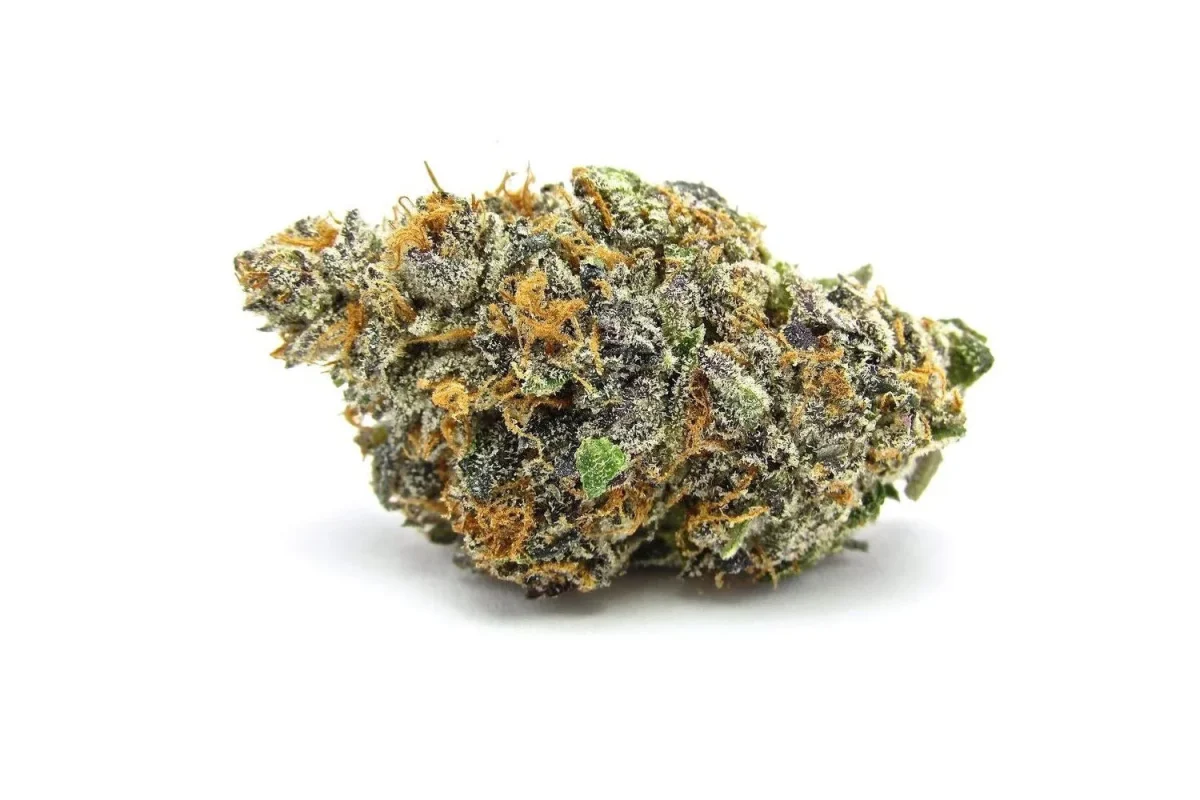
Cannabis flower remains one of the most recognised product categories in the industry. However, modern discussions about cannabis flower increasingly extend beyond traditional strain names.
Today, people researching marijuana strains often consider several characteristics, including:
- Cannabinoid composition.
- THC and CBD concentrations.
- Terpene profiles.
- Genetic background.
- Aroma and flavour descriptions.
- Cultivation and curing methods.
- Product consistency and laboratory testing.
These characteristics provide a more complete picture of cannabis flower than strain names alone.
Understanding Indica, Sativa and Hybrid Cannabis
Cannabis varieties are commonly described using three familiar classifications: indica, sativa and hybrid.
Indica-labelled varieties are traditionally associated with broad leaves and compact plant structures. Sativa-labelled varieties are generally associated with narrower leaves and taller growth patterns. Hybrid varieties combine genetic characteristics from different cannabis lineages.
However, these classifications do not reliably predict an individual’s experience. Cannabinoid composition, terpene content, dose and individual differences can all influence the effects of cannabis.
Popular Cannabis Flower Varieties
Cannabis genetics have produced numerous recognised strain names, each with its own reported characteristics.
Examples found in the 420 Green Haven flower catalogue include:
- Amnesia Haze
- Bay Dream
- Bruce Banner
- Bubba Kush
- Cherry Pie
- Critical Kush
- Fantasy Island
- Frosted Truffles
- Galactic Cookies
- Grease Monkey
- Ice Cream Cake
- King Thunderfuck
Visitors interested in cannabis genetics and flower characteristics can explore the 420 Green Haven weed category.
When comparing cannabis flower, it is important to distinguish descriptive strain information from verified laboratory results. Product labels and independent testing provide more reliable information about cannabinoid concentrations and potential contaminants.
2. Cannabis Shake: Understanding a Different Flower Category
Cannabis shake is another established category within the cannabis market.
Generally, shake refers to smaller fragments of cannabis flower and associated plant material that collect during handling, packaging and storage. Its composition can vary considerably depending on its source.
For this reason, the term should not automatically be treated as a guarantee of cannabinoid concentration, quality or consistency.
People researching cannabis shake may encounter different descriptions, including:
- Mixed cannabis shake.
- Premium mixed shake.
- Cannabis flower fragments.
- Small cannabis buds.
- Shake composition and quality.
- Cannabis shake product specifications.
The 420 Green Haven catalogue includes products such as Mixed Shake and Premium Mix Shake.
Explore the cannabis shake collection to review the category and its available product information.
Clear descriptions are particularly important for this category because the composition of shake can differ between batches and suppliers.
3. THC Vape Pens and Cartridges: The Changing Conversation Around Vaporisation
Vaporisation technology has become an important subject in discussions about cannabis product formats.
THC vape pens and cartridges are designed around concentrated formulations and specialised devices. Unlike traditional cannabis flower, these products involve additional considerations relating to formulation, heating components, ingredients and device compatibility.
In 2026, product research increasingly needs to consider more than the advertised cannabinoid concentration.
Important considerations include:
- Complete ingredient disclosures.
- Cannabinoid composition.
- Independent laboratory testing.
- Device specifications.
- Heating element materials.
- Manufacturing consistency.
- Contaminant screening.
- Clear product labelling.
The 420 Green Haven THC vape category features a variety of product listings and different product formats.
Examples in the catalogue include:
- Apple Jacks CCELL EAZIE POD.
- Banana Runtz CCELL EAZIE POD.
- Blue Dream Litto.
- Blueberry Haze CCELL EAZIE POD.
- Bubblegum Kush CCELL EAZIE POD.
- Forbidden Guava CCELL EAZIE POD.
- Mimosa Hybrid Litto.
- Pineapple Express CCELL EAZIE POD.
- Rainbow Belts CCELL EAZIE POD.
- Strawberry Cough CCELL EAZIE POD.
- Watermelon Zkittlez CCELL EAZIE POD.
- Cookies disposable vape formats.
- Dual-chamber vape formats.
Explore the THC vape pen and cartridge category for additional product information.
Why Vape Product Transparency Matters
Cannabis vape formulations can differ significantly. An advertised THC percentage alone does not establish product safety.
Unregulated or poorly documented vape products may contain undisclosed ingredients or contaminants. Consumers should be particularly cautious about products without reliable testing, traceable manufacturing information or complete ingredient disclosures.
Product transparency should remain a priority when researching any cannabis formulation.
4. Cannabis Edibles in 2026: Gummies, Chocolates and Other Formulations
Cannabis edibles represent another important part of the wider cannabis product landscape.
Unlike inhaled cannabis, edible cannabinoids are processed through the digestive system. Consequently, their onset, duration and overall effects can differ considerably.
The category includes several familiar formats:
- THC gummies.
- Cannabis-infused chocolates.
- Cannabinoid capsules.
- Fruit-flavoured edible formulations.
- Other cannabinoid-containing food products.
Examples appearing in the 420 Green Haven catalogue include Fruit Bites Gummies, Premium DANK Mango and Orange Gummies, Pro Infused Capsules, Premium DANK Watermelon Gummies and Wonka Chocolate.
Explore the 420 Green Haven edibles category for category information and available listings.
Understanding Edible Cannabinoid Content
One of the most important aspects of edible product information is understanding the difference between total cannabinoid content and the amount contained in an individual serving.
For example, a package may advertise a total THC amount, but that figure does not automatically represent the amount in each individual piece.
Product labels should clearly identify:
- Total cannabinoid content.
- Cannabinoid content per serving.
- Serving quantity.
- Ingredients and allergens.
- Manufacturing information.
- Appropriate storage instructions.
Why Edibles Require Particular Care
Edible cannabis can take considerably longer to produce noticeable effects than inhaled cannabis. Effects may also last longer.
Taking additional amounts before the initial effects become apparent can increase the risk of an unpleasant or harmful experience.
Cannabis edibles should be kept securely away from children and pets. Their packaging should also be clearly distinguishable from ordinary food products.
5. Hash and Hashish: The Traditional Side of Cannabis Concentrates
Hashish has a long history within cannabis culture and remains an important concentrate category.
Traditionally, hash is produced by collecting and compressing resin glands from cannabis material. The resulting product can vary in appearance, consistency, composition and cannabinoid concentration.
Different manufacturing techniques can produce different textures and characteristics.
Common terminology associated with this category includes:
- Traditional hash.
- Cannabis hashish.
- Pressed resin.
- Cannabis resin concentrates.
- Dry-sift hash.
- Hash product specifications.
- Cannabinoid-rich resin.
The 420 Green Haven catalogue includes several hash-related listings:
- Cereal Milk Hash.
- Dark Rhino Hash.
- Honey Hashish.
- Ice Cream Cake Hash.
- Peanut Butter Bananas.
- Top Dray Hash.
Visitors researching these product types can explore the 420 Green Haven hash category.
What Makes Hash Different From Cannabis Flower?
The main distinction is the concentration of resin-derived material.
Cannabis flower contains the original plant structure, including its flowers and associated plant material. Hash is produced by collecting and processing resin glands, resulting in a different physical composition.
The production process, source material and storage conditions can influence the final characteristics.
Accurate product descriptions and independent testing are therefore valuable when researching cannabis concentrates.
6. Cannabis Extracts and Concentrates: Exploring Modern Extraction Technology
Cannabis extraction has become one of the most technically interesting areas of the wider cannabis industry.
Extraction processes separate cannabinoids and other plant compounds from cannabis material. Different techniques produce different formulations, textures and chemical profiles.
Common concentrate terminology includes:
- Live resin.
- Live rosin.
- Cannabis badder.
- Cannabis crumble.
- THC distillate.
- Hash rosin.
- Cannabis sugar concentrates.
- Rick Simpson Oil.
- Cannabis wax.
The 420 Green Haven extracts catalogue includes examples such as:
- Biscotti Badder.
- Crumble.
- Delta-9 THC Distillate.
- Live Resin Badder.
- Live Resin Sugar.
- Rainbow Belts Hash Rosin.
- Rick Simpson Oil (RSO).
Explore the cannabis extracts category for additional category and product information.
Live Resin and Live Rosin: Understanding the Difference
Live resin and live rosin are frequently mentioned together, but they are not interchangeable terms.
Live resin is generally produced using solvent-based extraction techniques and fresh-frozen cannabis material.
Live rosin is produced through a solventless process, typically involving ice-water separation followed by heat and pressure.
Both methods aim to preserve desirable cannabis compounds, although their production methods and resulting chemical compositions differ.
The distinction is important because product terminology should accurately reflect the manufacturing process.
Why Laboratory Testing Matters for Concentrates
Concentrates may contain substantially higher cannabinoid concentrations than traditional cannabis flower.
This makes accurate laboratory testing and product identification especially important.
Relevant testing information can include:
- Cannabinoid profiles.
- Residual solvents.
- Heavy metals.
- Pesticide residues.
- Microbial contamination.
- Product consistency.
A high advertised THC percentage should never be considered a substitute for independent quality and safety information.
7. E-Liquids and Cannabinoid Formulations: Understanding Product Differences
E-liquids represent a broad category of liquid formulations designed for compatible vaporisation devices.
However, the terminology can be confusing because different e-liquid products may contain entirely different ingredients.
Some formulations contain nicotine, some are nicotine-free, and others may be marketed as cannabinoid-containing liquids.
These products should not be assumed to have identical compositions or regulatory requirements.
When researching e-liquids, relevant information includes:
- Ingredient composition.
- Cannabinoid content, where applicable.
- Nicotine content, where applicable.
- Device compatibility.
- Manufacturing standards.
- Product testing.
- Clear packaging and labelling.
The 420 Green Haven catalogue includes a Vape Juice 5000mg 10ml Bottle listing.
Explore the e-liquids category to review its available product information.
8. THC, CBD and Terpenes: Understanding the Compounds Behind Cannabis
The cannabis plant contains a complex collection of naturally occurring chemical compounds.
Among the most widely discussed are cannabinoids and terpenes.
Understanding their differences helps explain why cannabis products can have different chemical profiles.
THC: Tetrahydrocannabinol
THC is the principal intoxicating cannabinoid commonly associated with cannabis.
It interacts with cannabinoid receptors in the human body and can influence perception, memory, coordination and mood.
THC concentrations vary between products, and higher concentrations do not automatically mean a product is safer or more suitable.
CBD: Cannabidiol
CBD is another well-known cannabinoid.
Unlike THC, CBD does not produce the same intoxicating effects. However, it can still interact with the body and may affect how certain medicines are processed.
Prescription CBD medicines have established uses for particular medical conditions, but these findings should not be generalized to every CBD product.
Terpenes: The Compounds Behind Aroma
Terpenes are naturally occurring aromatic compounds found in numerous plants, including cannabis.
They contribute to the distinctive aromas and flavours associated with different varieties.
Common cannabis-associated terpenes include:
Myrcene: Frequently associated with earthy, herbal and musky aromas.
Limonene: Commonly associated with citrus fragrances.
Pinene: Associated with pine-like aromas.
Caryophyllene: Often described as peppery and spicy.
Linalool: Associated with floral and lavender-like aromas.
Although terpenes are an active area of scientific investigation, claims that particular terpene combinations reliably produce specific medical or psychological effects require stronger human clinical evidence.
9. The Cannabis Industry in 2026: Five Developments Worth Watching
The cannabis conversation in 2026 extends beyond traditional product categories. Several broader developments are shaping research, product development and consumer expectations.
1. Greater Interest in Product Transparency
Consumers increasingly need clear information about product composition, ingredients, cannabinoid concentrations and testing.
A professional cannabis catalogue should make this information easy to locate.
2. Advances in Cannabis Genetics
Cannabis breeding continues to attract attention, particularly around genetic diversity, plant characteristics, cannabinoid composition and terpene expression.
Research into cannabis genetics also helps scientists better understand the differences between varieties.
3. More Sophisticated Extraction Methods
Extraction technology continues to develop, creating different concentrate formats and processing approaches.
Solvent-based and solventless techniques remain important subjects in cannabis manufacturing research.
4. Greater Attention to Packaging and Storage
Packaging can influence product stability, freshness and protection from environmental conditions.
Appropriate storage is especially important for products containing cannabinoids and aromatic compounds.
5. Continued Scientific Investigation
Research into cannabinoids continues across several areas, including epilepsy, chronic pain, multiple sclerosis symptoms and other medical applications.
However, the quality of evidence varies by condition and formulation. Scientific findings about a particular regulated medicine should not be treated as proof that every commercially marketed cannabis product has the same effects.
10. Exploring the 420 Green Haven Cannabis Catalogue
A well-organised online catalogue makes it easier for visitors to understand the different types of cannabis products available for research.
420 Green Haven features seven main product categories, each representing a different part of the wider cannabis product landscape.
Cannabis Flower
Explore cannabis strains, flower descriptions and available variety information through the weed collection.
Cannabis Shake
Learn about smaller cannabis flower fragments and available shake listings through the shake collection.
THC Vape Products
Review the product descriptions and specifications in the THC vape pen collection.
E-Liquids
Explore the available liquid product listings through the e-liquids collection.
Cannabis Edibles
Learn about edible product formats and their associated product information through the edibles collection.
Hash and Hashish
Explore traditional resin-based cannabis products through the hash collection.
Cannabis Extracts
Review concentrate terminology and available extract listings through the extracts collection.
Product availability, eligibility and supply arrangements should always be verified for the relevant jurisdiction.
11. Cannabis Product Quality: What Should Consumers Understand?
The modern cannabis industry involves numerous product formats, manufacturing processes and chemical compositions.
Consequently, product quality should be evaluated using more than appearance, branding or advertised potency.
Several factors deserve attention.
Independent laboratory testing
Reliable testing can provide information about cannabinoid concentrations and potential contaminants.
Accurate product descriptions
Descriptions should identify the product category, composition and relevant characteristics without exaggerated or unsupported claims.
Ingredient transparency
Products should provide appropriate ingredient information, particularly when formulations involve additional substances or specialised manufacturing processes.
Manufacturing information
Traceability and clear manufacturing details help establish where a product comes from and how it was produced.
Responsible packaging
Packaging should provide clear identification, appropriate warnings and suitable storage information.
Regulatory compliance
Cannabis products are subject to different requirements depending on the country, state and product category. Medical and recreational cannabis markets do not necessarily follow the same supply arrangements.
These considerations are important for consumers, manufacturers, retailers and anyone researching the changing cannabis industry.
12. Cannabis Research and Medical Developments: Separating Evidence From Marketing
One of the most important developments in cannabis discussions is the increasing need to distinguish scientific research from promotional claims.
Cannabinoids are being investigated for several medical applications. However, the strength of available evidence varies significantly.
Certain prescription cannabinoid medicines have established roles in particular clinical circumstances, including specific severe epilepsy syndromes.
Other applications, including selected chronic pain conditions, multiple sclerosis-related symptoms and chemotherapy-associated nausea, have been studied with varying results.
Nevertheless, cannabis is not a universal treatment.
Potential adverse effects include dizziness, impaired coordination, changes in attention, anxiety, dependence and interactions with other medications.
Anyone considering cannabis for a medical condition should discuss the available evidence, treatment alternatives and possible risks with a qualified healthcare professional.
For additional information, useful scientific and regulatory resources include:
- National Institutes of Health: https://www.nih.gov/
- National Center for Complementary and Integrative Health: https://www.nccih.nih.gov/
- U.S. Food and Drug Administration: https://www.fda.gov/
- World Health Organization: https://www.who.int/
- Therapeutic Goods Administration: https://www.tga.gov.au/
13. The Future of Cannabis: What Could Shape the Next Generation?
Looking beyond 2026, the cannabis industry is likely to continue developing through scientific research, improved manufacturing methods and changing expectations around product transparency.
Several areas deserve continued attention.
Cannabinoid research: Scientists continue investigating how individual cannabinoids interact with biological systems.
Genetic research: Improved understanding of cannabis genetics may help explain differences in plant chemistry and characteristics.
Analytical testing: More comprehensive testing can improve understanding of cannabinoid composition and potential contaminants.
Extraction innovation: Continued technical development may introduce new ways of processing and characterising cannabis compounds.
Consumer education: Better product information can help people distinguish between product types, scientific evidence and marketing claims.
Responsible regulation: Clearer product standards and appropriate oversight can help address quality and public-health concerns.
Together, these developments demonstrate why cannabis remains an interesting subject across agriculture, chemistry, manufacturing, healthcare and consumer research.
Frequently Asked Questions About Cannabis Products in 2026
What are the main types of cannabis products?
Common categories include cannabis flower, shake, edibles, THC vape products, e-liquids, hash and cannabis extracts. Each category has different characteristics, ingredients and potential risks.
What is the difference between cannabis flower and hash?
Cannabis flower consists of the plant’s harvested flowering material. Hash is a concentrate produced by collecting and processing resin glands from cannabis material.
What are cannabis concentrates?
Cannabis concentrates are products made by separating cannabinoids and other compounds from cannabis material. Examples include live resin, live rosin, badder, crumble and distillate.
What is the difference between THC and CBD?
THC is the principal intoxicating cannabinoid in cannabis. CBD is non-intoxicating in the same way, although it can still have physiological effects and interact with certain medications.
What are cannabis terpenes?
Terpenes are aromatic compounds found in cannabis and many other plants. They contribute to the characteristic aromas and flavours of different varieties.
Are cannabis edibles different from inhaled cannabis?
Yes. Edibles are processed through the digestive system and can take longer to produce noticeable effects. Their effects may also last longer than those of inhaled products.
What should I look for when researching cannabis products?
Look for accurate product descriptions, transparent ingredient information, reliable cannabinoid testing, manufacturing details, appropriate packaging and relevant regulatory information.
Does 420 Green Haven have different cannabis product categories?
Yes. The website features categories for weed, shake, THC vape pens, e-liquids, edibles, hash and extracts.
Where can I find information about cannabis flower and concentrates?
The 420 Green Haven catalogue provides separate category pages for cannabis flower, hash and extracts, allowing visitors to explore the relevant product descriptions.
Is cannabis suitable for medical treatment?
Some regulated cannabinoid medicines have evidence supporting particular medical uses. However, suitability depends on the condition, formulation, individual circumstances and professional medical guidance.
Final Thoughts: A More Informed Cannabis Industry in 2026
The cannabis industry in 2026 represents a fascinating intersection of traditional plant knowledge, modern science, manufacturing technology and changing consumer expectations.
From familiar flower varieties and cannabis shake to sophisticated concentrates, hashish, THC edibles and specialised vape formulations, each category offers different characteristics worth understanding.
However, the future of the industry should not be measured by product variety alone. Transparent labelling, independent testing, responsible manufacturing, reliable scientific information and appropriate regulation are equally important.
For visitors researching these developments, 420 Green Haven provides a central catalogue through which to explore different cannabis product categories and their available descriptions.
Whether your interest lies in cannabis genetics, terpene science, extraction technology, cannabinoid research or the broader evolution of the cannabis market, staying informed is an important part of understanding this rapidly changing industry.
Explore the 420 Green Haven website, discover its different product categories and continue learning about the science, terminology and developments shaping cannabis in 2026.
Product availability and eligibility depend on applicable local requirements. This article is educational and does not constitute medical advice or a recommendation to use cannabis.
