
buy CBD oil online, buy concentrates online, buy live resin online, buy medical weed online, buy pre rolls online, Buy Weed Online, dispensary open late near me, Guide, Health, Innovation, order weed online, Style, top rated cannabis dispensaries, Uncategorized, Weed For Sale, Weed For Sale Online, weed store near me
Beyond the Bud: How Cannabis Flower, Vapes, Edibles, Hash and Extracts Are Evolving in 2026
Nov
Beyond the Bud: How Cannabis Flower, Vapes, Edibles, Hash and Extracts Are Evolving in 2026
Explore the changing world of cannabis in 2026, from classic flower and aromatic strains to modern vape formats, infused edibles, traditional hash and premium concentrates.
Cannabis culture continues to evolve. What was once largely associated with traditional dried flower has grown into a diverse world of product formats, extraction methods, flavour profiles and consumer preferences. In 2026, cannabis conversations increasingly include everything from familiar flower varieties and convenient pre-filled vape devices to gummies, hashish, live resin and other concentrates.
This growing variety has created more ways to explore cannabis products and learn about their differences. However, understanding the options is just as important as knowing their names. Each format has its own characteristics, production methods, storage considerations and potential risks.
Whether you are researching cannabis strains, learning about THC products, comparing different concentrate types or exploring the wider cannabis market, this guide provides a clear introduction to the products and trends shaping the industry in 2026.
1. Cannabis in 2026: A More Diverse Product Landscape
The modern cannabis market is no longer defined by one product category. Flower remains an important part of cannabis culture, while vapes, edibles, concentrates and other formats contribute to a broader marketplace.
Recent market figures demonstrate this diversity. Montana’s 2026 retail price study reported that concentrates and cannabis buds accounted for the two largest sales categories during July 2025–June 2026. Edibles and pre-rolls also represented meaningful portions of the market.
The New Jersey Cannabis Regulatory Commission’s June 2026 product breakdown similarly included flower, vape cartridges, edibles, pre-rolls, concentrates and shake or trim. These figures illustrate how varied the modern cannabis product landscape has become.
For readers, the important takeaway is simple: cannabis products are not interchangeable. Their ingredients, cannabinoid concentrations, manufacturing processes and intended formats can differ considerably.
2. Cannabis Flower: The Classic Foundation of Cannabis Culture
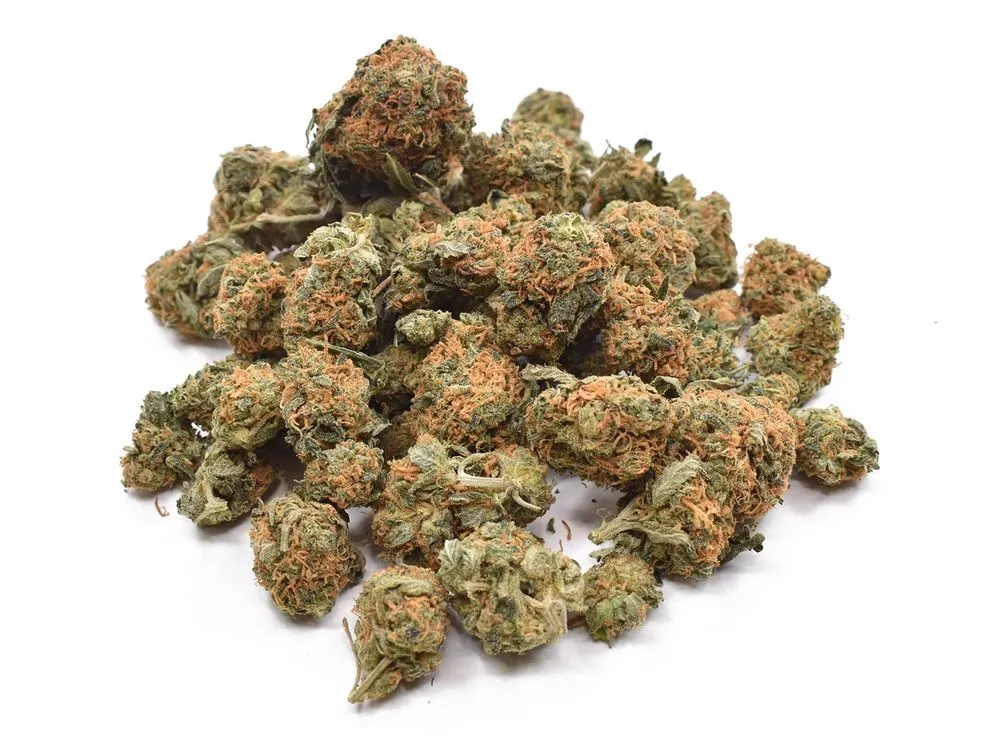
Cannabis flower remains one of the most recognisable product formats. It consists of the dried flowering portions of the cannabis plant and is commonly discussed in terms of strain names, aromas, appearance, cannabinoid content and terpene profiles.
Flower varieties can differ in colour, density, texture and fragrance. Some have sweet or fruity aromas, while others are described as earthy, herbal, citrus-like or spicy. These characteristics are influenced by genetics, cultivation conditions, harvesting and post-harvest handling.
For anyone researching traditional cannabis varieties, the 420 Green Haven cannabis flower collection provides a category-level starting point.
Popular Cannabis Strains and Their Characteristics
Strain names are often used to distinguish different cannabis cultivars. However, a name alone does not guarantee a particular chemical profile or experience. Product information and laboratory testing are more useful when comparing specific batches.
Examples of familiar strain names include:
- Amnesia Haze – a widely recognised name in discussions of citrus and herbal cannabis aromas.
- Bay Dream – a cultivar name associated with the broad range of modern flower varieties.
- Bruce Banner – a familiar name in contemporary cannabis strain discussions.
- Bubba Kush – a recognised cultivar name often discussed in connection with earthy and distinctive aroma profiles.
- Cherry Pie – a strain name commonly associated with dessert-inspired flavour descriptions.
- Critical Kush – another established name in the wider cannabis flower category.
Other cultivar names, including Ice Cream Cake, Grease Monkey, Galactic Cookies, Frosted Truffles and King Thunderfuck, demonstrate the variety of naming conventions found throughout cannabis culture.
When comparing cannabis flower, consider the available product description, cannabinoid information, terpene details, cultivation standards and independent testing. These details provide more meaningful information than strain names or marketing language alone.
3. Cannabis Shake: Understanding a Different Flower Format
Cannabis shake generally refers to small pieces of cannabis flower that collect during handling, packaging and storage. It may include broken flower fragments and loose plant material.
Shake is not automatically the same as trim. The composition and quality depend on how the material was collected, sorted and stored. As a result, product descriptions and testing information are important when evaluating it.
The cannabis shake category offers a useful starting point for learning about this format. The Mixed Shake collection is one example of a named shake product.
When researching shake, pay attention to its contents, moisture condition, packaging and laboratory information. Clear descriptions help distinguish flower fragments from products containing a greater proportion of loose plant material.
4. THC Vape Pens: Technology and Changing Product Formats
Vape products have become a prominent part of the modern cannabis conversation. They typically use a heating element to vaporise a cannabis formulation rather than burning plant material.
Cannabis vape products may include cartridges, pods and disposable devices. Their formulations can also differ, with some containing distillate and others using extracts such as live resin.
Industry data suggests that the category continues to change. BDSA’s 2026 analysis describes shifts in disposable formats, cartridge demand and the growing presence of premium oil types. However, trends differ between states and individual markets.
Explore the THC vape pen category to understand the range of product formats discussed in this market.
Additional category pages include:
Understanding Vape Oil Types
Vape formulations are not all identical. Common terms include:
Distillate: A refined cannabis oil that is processed to concentrate selected cannabinoids. Its composition depends on the starting material and manufacturing process.
Live resin: An extract generally made from cannabis material that is frozen soon after harvest. This approach is intended to preserve more of the plant’s original aromatic compounds.
Live rosin: A solventless concentrate produced using heat and pressure. It is distinct from live resin because of its extraction process.
Cannabinoid formulations: Products may contain different cannabinoid combinations and concentrations. The label should clearly identify the ingredients and measured content.
A product’s name or oil type does not establish its safety. Device quality, ingredients, contaminants, manufacturing controls and accurate testing all matter.
5. Cannabis Edibles: Gummies, Chocolates and Other Formats
Cannabis edibles are products designed to be consumed rather than inhaled. They include gummies, chocolates, capsules, baked goods and other food-based formats.
Edibles are different from inhaled cannabis products because the body processes them through digestion. Effects can take longer to appear and may last longer than expected. This delay can make it difficult to judge the amount consumed, particularly for inexperienced users.
For that reason, product labels, serving information and clear THC measurements are especially important.
The 420 Green Haven edibles category provides a category-level overview of this product format. One named example is Fruit Bites 1000mg THC Gummies.
What to Check When Researching Cannabis Gummies
When reading about THC gummies or other infused sweets, consider:
- THC per serving: The amount in one individual serving.
- Total THC: The amount stated for the entire package.
- Serving size: How the manufacturer divides the product into portions.
- Ingredient information: Sweeteners, flavourings, allergens and other ingredients.
- Testing information: Whether the product has reliable laboratory documentation.
- Packaging: Whether it is clearly labelled and designed to reduce accidental access.
Edibles should always be kept securely away from children and pets. Never assume that a familiar-looking sweet is an ordinary food product.
6. Hashish: A Traditional Cannabis Concentrate
Hashish, often called hash, is one of the oldest recognised cannabis concentrate formats. It is generally produced by collecting and compressing resin-rich trichomes from cannabis material.
Traditional hash can vary in colour, texture, aroma and consistency. Depending on the production method, it may be soft and pliable, firm and compact, or crumbly.
Modern hash products also include different approaches to resin collection and processing. These methods can influence the final product’s appearance and composition.
Explore the cannabis hash category to learn more about this established product group.
A named example is Cereal Milk Hash, which illustrates how contemporary product naming often draws on familiar strain and flavour terminology.
Traditional Hash and Modern Concentrates
Although hash and other cannabis concentrates are related, they are not identical. Hash is commonly associated with collected and compressed resin glands, while other extracts may use different mechanical or chemical separation processes.
When comparing products, consider the extraction method, ingredient information, cannabinoid content, laboratory results and storage recommendations.
7. Cannabis Extracts: Live Resin, Badder, Sugar and More
Cannabis extracts are a broad group of concentrated products made by separating selected compounds from cannabis material.
Their appearance and texture can vary considerably. Some are thick and creamy, while others are granular, crystalline or sticky. Product names often describe texture, processing style or the type of extract.
Common terms include:
- Badder: A concentrate with a soft, whipped or creamy consistency.
- Crumble: A dry, brittle concentrate that breaks apart easily.
- Live resin: An extract made using freshly harvested and frozen cannabis material.
- Live resin sugar: A granular concentrate with a sugar-like texture.
- Hash rosin: A solventless concentrate produced from hash using heat and pressure.
- Distillate: A refined extract containing concentrated cannabinoids.
- Rick Simpson Oil (RSO): A concentrated cannabis oil associated with a specific extraction tradition.
The cannabis extracts category offers a useful overview of this product group.
For additional reading, see the Live Resin Badder product page and the Rick Simpson Oil (RSO) product page.
Why Extraction Methods Matter
Extraction methods influence the composition and characteristics of cannabis concentrates. Solvent-based and solventless processes are not the same, and each can produce different types of extracts.
A reliable product description should explain the extract type and provide meaningful information about ingredients and testing. Terms such as “premium,” “strong” or “high potency” should not replace measurable product information.
8. Cannabis E-Liquids and Formulation Information
Cannabis-related e-liquid terminology can be confusing because not every vape liquid is designed for the same device or intended use.
Some products are formulated for specific vaporisation systems, while conventional nicotine e-liquids are a separate product category. The ingredients and compatibility requirements should never be assumed to be interchangeable.
The e-liquids category provides a starting point for reviewing the products listed under this category.
When researching any vape liquid, check its full ingredient list, intended device compatibility, cannabinoid content and testing documentation. Avoid products with unclear ingredients or unsupported health claims.
9. Terpenes, Cannabinoids and the Science Behind Cannabis
Cannabis contains many naturally occurring chemical compounds. Two widely discussed groups are cannabinoids and terpenes.
Cannabinoids
Cannabinoids are compounds that interact with biological systems in the body. THC and CBD are among the best-known examples, but cannabis contains many other cannabinoids.
The concentration and combination of these compounds can vary between cultivars and products. A product’s label should provide clear information about its measured cannabinoid content.
Terpenes
Terpenes are aromatic compounds found in many plants, including cannabis. They contribute to the characteristic scents of different cultivars.
Commonly discussed terpenes include:
- Myrcene: Found in several aromatic plants and often described with earthy or herbal notes.
- Limonene: Associated with citrus-like aromas.
- Pinene: Commonly associated with pine-like scents.
- Caryophyllene: Often described as peppery or spicy.
- Linalool: Known for floral and lavender-like aromatic notes.
Terpene descriptions can help explain aroma and flavour, but they should not be treated as proof of a specific effect or medical benefit.
Understanding Product Labels
A useful cannabis product label should make it easier to identify:
- The product’s ingredients.
- The total cannabinoid content.
- The amount per serving, where relevant.
- The batch or lot number.
- The manufacturer or responsible supplier.
- Available laboratory testing.
- Storage and handling instructions.
These details help readers compare products using information rather than assumptions.
10. Cannabis Market Trends Shaping 2026
Several developments are influencing conversations about cannabis products in 2026.
A wider range of product formats: Flower, concentrates, edibles, vape products and pre-rolls all contribute to the modern marketplace.
Continued interest in extraction methods: Live resin, rosin and other concentrate types receive attention as consumers and industry observers compare processing techniques.
More attention to product transparency: Ingredient lists, cannabinoid measurements, batch information and laboratory testing are important parts of informed product research.
Changing vape formats: Market research reports ongoing changes in the balance between disposable devices, cartridges and different oil formulations.
More detailed product education: Clear explanations of THC content, serving sizes, extraction methods and storage can help readers understand what distinguishes one category from another.
These developments do not mean every product is suitable for every person. Cannabis can impair memory, coordination and judgment, and THC can cause unwanted effects. People should avoid driving or operating machinery after using intoxicating cannabis products.
11. How to Compare Cannabis Product Categories
Different product types have different characteristics. The following overview summarises the main distinctions.
| Product category | What defines it | Useful information to review |
|---|---|---|
| Cannabis flower | Dried cannabis buds | Cultivar, cannabinoid content, terpene profile and testing |
| Cannabis shake | Smaller flower fragments and loose material | Composition, condition and testing |
| THC vape products | Formulations used in compatible vaporisation devices | Ingredients, oil type, device compatibility and testing |
| Cannabis edibles | Food-based infused products | THC per serving, total THC and ingredients |
| Hashish | Collected and compressed resin glands | Production method, texture and testing |
| Cannabis extracts | Concentrated cannabis compounds | Extraction method, ingredients and cannabinoid content |
| E-liquids | Liquids formulated for specified devices | Intended use, ingredients and compatibility |
A category name is only the starting point. Product-specific information is needed to understand the contents and characteristics of an individual item.
12. Exploring Cannabis Categories and Product Information
For readers who want to explore the different formats discussed in this guide, the following 420 Green Haven category pages provide additional product information:
- Cannabis flower and weed products
- Cannabis shake products
- THC vape pens and vape products
- Cannabis edibles and gummies
- Hash and hashish products
- Cannabis extracts and concentrates
- E-liquid products
For more specific examples, readers can also review Amnesia Haze, Bay Dream, Bruce Banner, Bubba Kush, Cherry Pie and Fruit Bites THC Gummies.
These links are intended to help readers navigate related product categories and descriptions. Always review current product details, applicable restrictions and available testing information.
13. Frequently Asked Questions About Cannabis Products in 2026
What are the main cannabis product categories in 2026?
Common categories include dried cannabis flower, shake, vape products, edibles, hashish, extracts and other concentrate formats. Each category has different characteristics and product information requirements.
What is the difference between cannabis flower and shake?
Flower generally refers to the dried buds of the cannabis plant. Shake consists of smaller pieces of flower and loose material that collect during handling and packaging. Their composition and quality can vary.
What is the difference between hash and cannabis extracts?
Hash is generally made by collecting and compressing resin-rich trichomes. Cannabis extracts cover a wider range of concentrated products made using different separation and processing techniques.
What is live resin?
Live resin is a cannabis extract generally produced from plant material frozen soon after harvest. The process is intended to retain more of the plant’s original aromatic compounds.
Are cannabis edibles different from inhaled products?
Yes. Edibles are processed through digestion, so their onset can be delayed and their effects may last longer. This makes serving information and careful storage especially important.
What should I look for on a cannabis product label?
Review the ingredients, cannabinoid content, serving information, batch number, manufacturer details, laboratory testing and storage instructions. Avoid relying on marketing descriptions alone.
Why are terpenes discussed in cannabis products?
Terpenes are aromatic compounds that contribute to a product’s scent and flavour profile. Their presence can help describe a cultivar, but aroma alone does not establish potency, safety or medical effects.
Are all cannabis vape products the same?
No. Vape products can differ in their device design, oil formulation, ingredients and cannabinoid content. Product compatibility and reliable testing information are important.
Conclusion: A More Informed View of Cannabis in 2026
Cannabis in 2026 is a diverse and constantly developing product landscape. Traditional flower remains central to cannabis culture, while shake, vape products, edibles, hashish and modern extracts add further variety.
Understanding these formats means looking beyond product names. Ingredients, cannabinoid measurements, terpene information, extraction methods, manufacturing standards and laboratory testing all help explain what distinguishes one product from another.
As the industry continues to develop, clear information matters more than ever. Readers who understand the differences between cannabis categories are better equipped to evaluate product descriptions, recognise unsupported claims and follow developments in cannabis culture.
Continue exploring the subject: Visit the 420 Green Haven cannabis flower collection, review the THC vape category or learn more about cannabis extracts and concentrates for further product information.
Educational note: This article is for general informational purposes. Cannabis laws and product availability vary by location. Cannabis can cause impairment and other adverse effects. Keep cannabis products away from children and pets, and do not drive after use.
