buy CBD oil online, buy concentrates online, buy live resin online, buy medical weed online, buy pre rolls online, Buy Weed Online, dispensary open late near me, Guide, Health, Innovation, order weed online, Style, top rated cannabis dispensaries, Uncategorized, Weed For Sale, Weed For Sale Online, weed store near me
Cannabis Products Online: Explore Weed Strains, THC Vape Pens, Edibles, Hash, and Extracts at 420 Green Haven
Oct
Cannabis Products Online: Explore Weed Strains, THC Vape Pens, Edibles, Hash, and Extracts at 420 Green Haven
The cannabis market continues to evolve as consumers, researchers, healthcare professionals, and regulators take a closer look at cannabis products, their ingredients, their potential effects, and their risks. From traditional cannabis flower and hash to modern vape products, edibles, and concentrated extracts, understanding the differences between product categories is an important first step for anyone researching cannabis.
420 Green Haven brings together a range of cannabis product categories, making it easier for visitors to explore listed products, compare different formats, and learn more about the terminology used across the cannabis industry.
This guide covers cannabis flower, weed strains, shake, THC vape products, e-liquids, edibles, hash, and extracts. It also examines important cannabis health research published in 2026 and provides geographic search topics for readers interested in cannabis regulations and product information across the United States, Canada, Europe, Australia, Latin America, and the Caribbean.
Cannabis laws vary significantly between countries and within individual states, provinces, and territories. The geographic references in this article are intended to support relevant informational searches; they do not indicate that every product is legal, available, or eligible for delivery to every location.
Explore Cannabis Products Online at 420 Green Haven
Different cannabis products have different compositions, formats, and potential effects. A flower product is not the same as a concentrated extract, and an edible does not produce the same experience as an inhaled product.
Understanding these differences can help readers evaluate product information more carefully and avoid relying solely on marketing language.
Cannabis Flower and Weed Strains
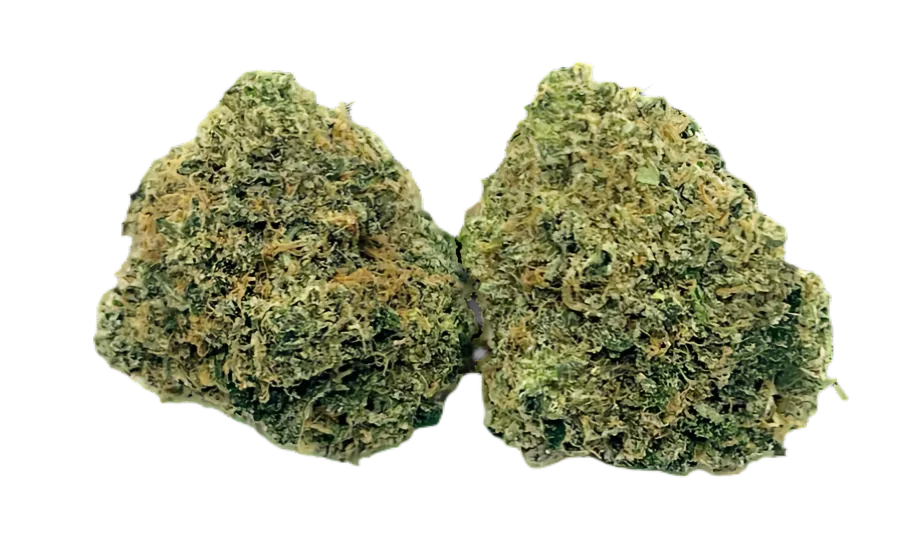
Cannabis flower is one of the most familiar categories in the cannabis market. Individual varieties may differ in aroma, appearance, terpene profiles, cannabinoid content, and other characteristics. These differences can be influenced by genetics, cultivation conditions, harvesting, storage, and processing.
Explore the <a href=”https://420greenhaven.com/product-category/weed/”>420 Green Haven cannabis flower and weed collection</a> to see the listings in this category.
Product names featured in the catalog include:
- Amnesia Haze
- Bay Dream
- Bruce Banner
- Bubba Kush
- Cherry Pie
- Critical Kush
- Fantasy Island
- Frosted Truffles
- Galactic Cookies
- Grease Monkey
- Ice Cream Cake
- King Thunderfuck
Strain names can help identify products, but they do not independently establish a product’s exact cannabinoid content, potency, purity, or effects. Whenever available, consult the product’s ingredients, testing information, and detailed description.
For readers researching cannabis flower, useful topics include weed strain characteristics, cannabis flower varieties, THC and CBD content, terpene profiles, and the regulations that apply to cannabis products in their location.
Cannabis Shake and Mixed Shake
Cannabis shake generally consists of smaller pieces of cannabis flower and plant material collected during handling. The composition, appearance, and quality of shake products can vary, so the product description is particularly important.
Browse the <a href=”https://420greenhaven.com/product-category/shake/”>cannabis shake collection</a> for the listed options.
Selected product names include:
- Mixed Shake
- Premium Mix Shake
When comparing shake products, look for accurate package information, a clear description of the material, and cannabinoid or laboratory-testing details where available. Product names alone cannot establish consistency or quality.
Relevant search topics include cannabis shake products, mixed shake descriptions, premium shake varieties, and cannabis product regulations in specific cities, states, and countries.
THC Vape Pens and Cannabis Vape Products
Cannabis vape products are available in different formats, including cartridges, compatible pod systems, disposable devices, and other vaporizer products. Specifications vary, and not every cartridge, pod, or liquid is compatible with every device.
Explore the <a href=”https://420greenhaven.com/product-category/thc-vape-pen/”>THC vape pen collection</a>.
Additional catalog pages are available here:
- <a href=”https://420greenhaven.com/product-category/thc-vape-pen/page/2/”>THC vape products — page 2</a>
- <a href=”https://420greenhaven.com/product-category/thc-vape-pen/page/3/”>THC vape products — page 3</a>
- <a href=”https://420greenhaven.com/product-category/thc-vape-pen/page/4/”>THC vape products — page 4</a>
Selected product names across the catalog include:
- Apple Jacks CCELL EAZIE POD
- Babby Powder Cookies
- Banana Runtz
- Batsh!t
- Blue Dream Litto
- Blueberry Banana Cookies
- Blueberry Haze
- Bubblegum Kush
- Cereal Milk Cookies
- Chamoy
- Cookies disposables
- Forbidden Guava
- Grape God
- Honey Comb Runtz
- Mimosa
- Pancakes
- Pineapple Express
- Rainbow Belts
- Rainbow Sherbet
- Red Blow Pop
- Red Starburst
- Space Club Galaxy Bar
- Star Burstz
- Strawberry Cough
- 10/10 Boys
- Watermelon Zkittlez
The catalog may also contain dual-chamber products and other device formats. Check individual product descriptions for actual specifications rather than assuming compatibility from a product name.
Vaping cannabis is not risk-free. Product contents may be mislabeled or contaminated, and inhalation can expose the lungs to potentially harmful substances. THC can also impair memory, coordination, reaction time, and judgment.
For this category, useful informational keywords include THC vape product specifications, cannabis vaporizer compatibility, vape cartridge ingredients, and cannabis vape regulations in the relevant jurisdiction.
E-Liquids and Vape Liquid Products
E-liquids are a separate product category, and their ingredients and intended uses can vary. A liquid should never be assumed safe to inhale simply because it is marketed as a vape product.
Visit the <a href=”https://420greenhaven.com/product-category/e-liquids/”>420 Green Haven e-liquids collection</a> to review the available listings.
One product name featured in the catalog is:
- Vape Juice 5000mg 10ml
The number in a product name is not independent evidence of potency, purity, or verified cannabinoid content. Review the complete label and any available product documentation.
Before evaluating a vape liquid, confirm its ingredients, intended use, compatibility, and regulatory status. Products containing THC or other controlled cannabinoids may be subject to restrictions that do not apply to other e-liquids.
Cannabis Edibles, Gummies, Chocolates, and Capsules
Cannabis edibles include a variety of ingestible formats, such as gummies, chocolates, capsules, and other infused products. Their ingredients, serving sizes, cannabinoid concentrations, and onset times can differ.
Browse the <a href=”https://420greenhaven.com/product-category/edibles/”>cannabis edibles collection</a> for the products listed in this category.
Selected product names include:
- Fruit Bites 1000mg Gummies
- Mango Premium DANK Gummies
- Orange Premium DANK Gummies
- Watermelon DANK Gummies
- Pro Infused 500mg Capsules
- Pro Infused 1000mg Capsules
- Watermelon 500mg THC Gummies
- Wonka Chocolate 1000mg THC
Check the individual label to understand what a stated amount represents. A package’s total cannabinoid content is not necessarily the amount in a single serving, and products with similar names may have different formulations.
Edible THC can take longer to produce noticeable effects than inhaled cannabis, and its effects can last longer. Taking additional amounts too soon can increase the risk of overconsumption and unwanted effects.
Keep intoxicating edibles securely stored away from children and pets. Avoid driving or operating machinery while impaired, and consult a qualified healthcare professional before using cannabis for a medical reason.
Hash and Cannabis Resin Products
Hash is a concentrated cannabis product traditionally made from resin-rich trichomes. Depending on how it is produced, it may differ in texture, appearance, aroma, and cannabinoid composition.
Explore the <a href=”https://420greenhaven.com/product-category/hash/”>hash product collection</a> to view the listed options.
Selected names include:
- Cereal Milk Hash
- Dark Rhino Hash
- Honey Hashish
- Ice Cream Cake Hash 5g
- Peanut Butter Bananas
- Top Dray Hash
Product names, appearance, and package weight do not independently establish quality or purity. When available, review ingredient information, cannabinoid details, production information, and relevant laboratory testing.
Useful informational topics include hash varieties, cannabis resin products, concentrate terminology, and local rules governing cannabis possession and use.
Cannabis Extracts, Badder, Crumble, Live Resin, and Rosin
Cannabis extracts are produced using different methods to concentrate selected compounds from cannabis material. Their textures, compositions, and production processes can vary.
Visit the <a href=”https://420greenhaven.com/product-category/extracts/”>cannabis extracts collection</a> to browse the category.
Selected product names include:
- Biscotti Badder
- Crumble
- Delta-9 THC Distillate
- Live Resin Badder
- Live Resin Sugar
- Rainbow Belts Hash Rosin by Wonderbrett
- Rick Simpson Oil (RSO) 1G
These terms describe different types of products and processing approaches. Badder and crumble commonly refer to extract textures, live resin is associated with processing fresh or flash-frozen cannabis material, and hash rosin is produced using a solventless process.
Actual production methods and composition should be confirmed through product documentation rather than inferred from a name.
Concentrates may contain high levels of THC and can cause substantial impairment. A higher concentration does not automatically mean a product is safer or more suitable for a particular person.
Cannabis Research in 2026: What the Latest Evidence Says
Interest in cannabis research continues to grow, particularly around chronic pain, sleep, mental health, neurological conditions, and cardiovascular health. However, evidence that a substance affects the body is not the same as proof that it safely and effectively treats a medical condition.
Several publications in 2026 illustrate why cannabis research needs to be interpreted carefully.
1. October 2026: New Review Questions Whether Medical Cannabis Helps Insomnia
An October 13, 2026, report from Cochrane summarized a review of medical cannabis for insomnia involving nine studies and 537 adults.
The review found that the available evidence was too uncertain to determine whether medical cannabis meaningfully improves sleep quality, total sleep time, or daytime functioning compared with placebo. Participants receiving medical cannabis were more likely to report certain mild adverse effects, including dry mouth and dizziness.
The authors emphasized that these findings do not prove cannabis can never help an individual. Rather, the available clinical trials are not strong enough to support a confident general conclusion about its effectiveness for insomnia.
What this means: Cannabis should not be presented as a proven insomnia treatment. People experiencing persistent sleep difficulties should discuss evidence-based options with a healthcare professional.
2. March 2026: Major Review Finds Limited Evidence for Mental Health Conditions
A systematic review and meta-analysis published in The Lancet Psychiatry on March 16, 2026, examined 54 randomized controlled trials involving 2,477 participants.
The researchers assessed cannabinoids used for mental disorders and substance-use disorders. They found limited evidence of potential benefits in some specific areas, including certain measures of cannabis withdrawal, tic severity, and sleep outcomes. However, the evidence was generally low in certainty.
The review did not find significant benefits for several conditions for which cannabis is commonly used or promoted, including anxiety disorders, psychotic disorders, post-traumatic stress disorder, and opioid-use disorder. It also identified a lack of randomized trial evidence for treating depression.
The researchers reported an increased likelihood of adverse events among people receiving cannabinoids compared with control groups.
What this means: Claims that cannabis reliably treats anxiety, depression, PTSD, or other mental health conditions go beyond what current clinical evidence establishes. Cannabis-based treatments should not replace proven care without appropriate medical guidance.
3. September 2026: Updated Research Examines Cannabis and Chronic Pain
A systematic review and network meta-analysis published in Frontiers in Pharmacology in 2026 examined medical cannabis and cannabinoids for chronic pain in adults. The article was accepted on September 9, 2026.
The findings suggested that some cannabinoid formulations might provide benefits for certain chronic-pain outcomes. The researchers also reported adverse effects associated with THC-containing treatments, including dizziness, sleepiness, dry mouth, and nausea.
The authors emphasized that the certainty of much of the evidence was low to very low and that larger, higher-quality clinical trials are needed.
A separate Cochrane review published in January 2026 found no clear high-quality evidence that cannabis-based medicines provide clinically meaningful relief for chronic neuropathic pain across the product types examined.
What this means: Cannabis-derived medicines may have a role in specific medical contexts, but the evidence is not strong enough to treat all cannabis products as effective pain treatments. Results from one formulation cannot automatically be applied to flower, vape products, edibles, or concentrated extracts.
4. August 2026: Researchers Investigate Cannabis and Heart Rhythm
On August 12, 2026, researchers at the University of California, San Francisco, reported findings from a randomized crossover study examining the short-term cardiovascular effects of inhaled cannabis in 108 adults who regularly used cannabis.
The study found fewer premature heartbeats on cannabis-inhalation days than on abstinence days, driven mainly by a reduction in premature atrial contractions.
The finding was unexpected, but the researchers cautioned against interpreting it as evidence that cannabis improves cardiovascular health. The study examined short-term effects in a specific group of regular cannabis users and was not designed to establish long-term cardiovascular safety.
What this means: Cannabis and heart health remain complex research areas. A short-term physiological finding does not demonstrate that cannabis prevents heart disease or that inhaled cannabis is safe for people with cardiovascular conditions.
5. April 2026: Large Study Raises Concerns About Adolescent Brain Development
Research published in April 2026 by investigators at the University of California, San Diego, examined data from more than 11,000 participants in the Adolescent Brain Cognitive Development study.
The findings linked adolescent cannabis use with slower gains over time in several cognitive skills, including memory, attention, language, and processing speed. THC exposure was also associated with poorer memory outcomes over time.
The study adds to concerns about cannabis exposure during adolescence, a period when the brain is still developing.
What this means: Cannabis products should not be marketed to minors. Adolescents and young adults face particular concerns related to brain development, and preventing underage access is an important public-health priority.
What Do These Studies Tell Us About Cannabis Health Benefits?
Taken together, recent research suggests that cannabis and cannabinoid medicines may have therapeutic value in certain defined circumstances, but evidence varies considerably by condition, formulation, dosage, and patient characteristics.
Some cannabinoid-based medicines have established medical uses. In the United States, specific FDA-approved cannabinoid medications are authorized for particular indications, including certain seizure disorders and treatment-related nausea or vomiting. These approvals do not mean that all cannabis products are approved or effective for those conditions.
For many other proposed uses—including insomnia, anxiety, depression, and chronic pain—the evidence remains incomplete, inconsistent, or insufficient to support broad treatment claims.
Cannabis can also cause adverse effects, including impaired coordination, dizziness, anxiety, memory difficulties, and dependence. Risks can vary according to THC concentration, frequency of use, age, underlying health conditions, and other medications.
The responsible takeaway: Cannabis research is advancing, but promising findings should not be exaggerated into universal health claims. Anyone considering cannabis for a medical condition should discuss potential benefits, risks, drug interactions, and lawful treatment options with a qualified healthcare professional.
Cannabis Product Information Across the United States
People researching cannabis in the United States often combine product keywords with a state, city, or regional term. These searches can be useful when the content provides genuinely relevant information about local laws, product classifications, and consumer guidance.
State and City Search Topics
Relevant educational search phrases may include:
- Cannabis product information in California: Los Angeles, San Diego, San Francisco, Sacramento, San Jose, Fresno, Oakland, and Long Beach
- Cannabis laws and product information in Oregon: Portland, Salem, Eugene, and Bend
- Cannabis regulations in Washington: Seattle, Spokane, Tacoma, and Olympia
- Cannabis product information in Nevada: Las Vegas, Reno, and Henderson
- Cannabis laws in Colorado: Denver, Boulder, Colorado Springs, and Aurora
- Cannabis information in Arizona: Phoenix, Tucson, Mesa, and Scottsdale
- Cannabis regulations in New York: New York City, Buffalo, Rochester, and Albany
- Cannabis product information in New Jersey: Newark, Jersey City, and Trenton
- Cannabis laws in Illinois: Chicago, Springfield, and Aurora
- Cannabis regulations in Michigan: Detroit, Grand Rapids, and Ann Arbor
- Cannabis product information in Massachusetts: Boston, Worcester, and Springfield
- Cannabis laws in Maine: Portland, Bangor, and Augusta
- Cannabis regulations in Vermont: Burlington, Montpelier, and Rutland
- Cannabis information in Connecticut: Hartford, New Haven, and Bridgeport
- Cannabis laws in Maryland: Baltimore, Annapolis, and Frederick
- Cannabis regulations in Virginia: Richmond, Virginia Beach, Norfolk, and Arlington
- Cannabis information in Minnesota: Minneapolis, Saint Paul, and Duluth
- Cannabis regulations in Missouri: Kansas City, St. Louis, and Springfield
- Cannabis product information in New Mexico: Albuquerque, Santa Fe, and Las Cruces
- Cannabis regulations in Montana: Billings, Missoula, and Bozeman
- Cannabis information in Alaska: Anchorage, Fairbanks, and Juneau
- Cannabis regulations in Hawaii: Honolulu, Hilo, and Kailua-Kona
- Cannabis information in Ohio: Columbus, Cleveland, and Cincinnati
- Cannabis laws in Pennsylvania: Philadelphia, Pittsburgh, and Harrisburg
- Cannabis regulations in Delaware: Wilmington, Dover, and Newark
- Cannabis information in Rhode Island: Providence, Warwick, and Newport
- Cannabis regulations in New Hampshire: Manchester, Nashua, and Concord
- Cannabis information in West Virginia: Charleston, Morgantown, and Huntington
- Cannabis laws in Florida: Miami, Tampa, Orlando, and Jacksonville
- Cannabis regulations in Texas: Houston, Dallas, Austin, San Antonio, and Fort Worth
- Cannabis information in Georgia: Atlanta, Savannah, and Augusta
- Cannabis regulations in North Carolina: Charlotte, Raleigh, and Durham
- Cannabis information in South Carolina: Charleston, Columbia, and Greenville
- Cannabis regulations in Tennessee: Nashville, Memphis, and Knoxville
- Cannabis information in Kentucky: Louisville, Lexington, and Bowling Green
- Cannabis regulations in Indiana: Indianapolis, Fort Wayne, and Evansville
- Cannabis information in Iowa: Des Moines, Cedar Rapids, and Davenport
- Cannabis regulations in Wisconsin: Milwaukee, Madison, and Green Bay
- Cannabis information in Oklahoma: Oklahoma City, Tulsa, and Norman
- Cannabis regulations in Arkansas: Little Rock, Fayetteville, and Fort Smith
- Cannabis information in Louisiana: New Orleans, Baton Rouge, and Shreveport
- Cannabis regulations in Mississippi: Jackson, Gulfport, and Biloxi
- Cannabis information in Alabama: Birmingham, Montgomery, and Mobile
- Cannabis regulations in Kansas: Wichita, Topeka, and Lawrence
- Cannabis information in Nebraska: Omaha, Lincoln, and Bellevue
- Cannabis regulations in South Dakota: Sioux Falls, Rapid City, and Aberdeen
- Cannabis information in North Dakota: Fargo, Bismarck, and Grand Forks
- Cannabis regulations in Wyoming: Cheyenne, Casper, and Laramie
- Cannabis information in Idaho: Boise, Meridian, and Idaho Falls
- Cannabis regulations in Utah: Salt Lake City, Provo, and St. George
Other U.S. jurisdictions, including states with restrictive cannabis laws, should be covered through accurate educational material rather than assumptions about retail access.
These search phrases should lead to pages that answer actual location-specific questions. A page about cannabis laws in Texas, for example, should explain the relevant legal framework rather than imply that all THC products available elsewhere are lawful there.
Cannabis Product Research in Canada
Cannabis laws and retail frameworks in Canada differ by province and territory. Product access, age requirements, retail rules, and other conditions should be verified through current official sources.
Potential geographic topics include:
- Ontario: Toronto, Ottawa, Mississauga, Brampton, Hamilton, London, Windsor, and Kingston
- British Columbia: Vancouver, Victoria, Kelowna, Surrey, Burnaby, Richmond, and Nanaimo
- Alberta: Calgary, Edmonton, Red Deer, Lethbridge, and Medicine Hat
- Quebec: Montreal, Quebec City, Laval, Gatineau, Longueuil, and Sherbrooke
- Manitoba: Winnipeg and Brandon
- Saskatchewan: Saskatoon, Regina, and Prince Albert
- Nova Scotia: Halifax, Sydney, and Truro
- New Brunswick: Moncton, Saint John, and Fredericton
- Newfoundland and Labrador: St. John’s and Corner Brook
- Prince Edward Island: Charlottetown and Summerside
- Yukon: Whitehorse
- Northwest Territories: Yellowknife
- Nunavut: Iqaluit
Useful search themes include cannabis product regulations in Toronto, cannabis laws in Vancouver, cannabis product information in Calgary, and cannabis regulations in Montreal.
Countrywide legality does not mean every product can be supplied by every seller. Commercial pages should distinguish between general product descriptions and products that are legally available through authorized channels.
Cannabis Laws and Product Information Across Europe
European cannabis laws are not uniform. Rules for medical cannabis, personal possession, cultivation, retail sales, and THC-containing products vary between countries and may change over time.
Country and city topics for educational content include:
- United Kingdom: London, Manchester, Birmingham, Liverpool, Bristol, Leeds, Glasgow, and Edinburgh
- Ireland: Dublin, Cork, Galway, and Limerick
- France: Paris, Marseille, Lyon, Toulouse, Nice, and Bordeaux
- Germany: Berlin, Hamburg, Munich, Frankfurt, Cologne, and Düsseldorf
- Italy: Rome, Milan, Naples, Turin, and Bologna
- Spain: Madrid, Barcelona, Valencia, Seville, and Málaga
- Portugal: Lisbon, Porto, Braga, and Faro
- Netherlands: Amsterdam, Rotterdam, Utrecht, and The Hague
- Belgium: Brussels, Antwerp, Ghent, and Bruges
- Switzerland: Zurich, Geneva, Basel, and Bern
- Austria: Vienna, Graz, Salzburg, and Innsbruck
- Denmark: Copenhagen, Aarhus, Odense, and Aalborg
- Sweden: Stockholm, Gothenburg, Malmö, and Uppsala
- Norway: Oslo, Bergen, Trondheim, and Stavanger
- Finland: Helsinki, Tampere, Turku, and Oulu
- Poland: Warsaw, Kraków, Gdańsk, and Wrocław
- Czechia: Prague, Brno, and Ostrava
- Slovakia: Bratislava and Košice
- Hungary: Budapest, Debrecen, and Szeged
- Greece: Athens, Thessaloniki, and Patras
- Croatia: Zagreb, Split, and Dubrovnik
- Slovenia: Ljubljana and Maribor
- Romania: Bucharest, Cluj-Napoca, and Timișoara
- Bulgaria: Sofia, Plovdiv, and Varna
- Estonia: Tallinn and Tartu
- Latvia: Riga and Daugavpils
- Lithuania: Vilnius, Kaunas, and Klaipėda
- Luxembourg: Luxembourg City and Esch-sur-Alzette
- Malta: Valletta and Sliema
- Cyprus: Nicosia, Limassol, and Larnaca
- Iceland: Reykjavík
- Serbia: Belgrade and Novi Sad
- Montenegro: Podgorica and Budva
- Albania: Tirana and Durrës
- Bosnia and Herzegovina: Sarajevo and Banja Luka
- North Macedonia: Skopje and Bitola
- Moldova: Chișinău
- Ukraine: Kyiv, Lviv, and Odesa
- Belarus: Minsk
- Russia: Moscow and Saint Petersburg
- Andorra: Andorra la Vella
- Monaco: Monaco
- Liechtenstein: Vaduz
- San Marino: San Marino
- Vatican City: Vatican City
Relevant topics include European cannabis legislation, medicinal cannabis access, cannabinoid research, THC product restrictions, and cross-border travel rules.
These geographic references are useful for organizing informational content, not for suggesting that a particular cannabis product is legal or available throughout Europe. Readers should consult the current rules of the specific country concerned.
Cannabis Information in Australia
Australia has a regulatory framework for medicinal cannabis, but access depends on the product, its classification, and applicable requirements. Medicinal access should not be confused with unrestricted retail availability.
Potential regional search topics include:
- New South Wales: Sydney, Newcastle, Wollongong, and Wagga Wagga
- Victoria: Melbourne, Geelong, Ballarat, and Bendigo
- Queensland: Brisbane, Gold Coast, Townsville, Cairns, and Toowoomba
- Western Australia: Perth, Bunbury, Geraldton, and Albany
- South Australia: Adelaide, Mount Gambier, and Whyalla
- Tasmania: Hobart, Launceston, Devonport, and Burnie
- Australian Capital Territory: Canberra
- Northern Territory: Darwin, Alice Springs, and Katherine
Useful informational phrases include medicinal cannabis regulations in Sydney, cannabis-related laws in Melbourne, medicinal cannabis access in Brisbane, and cannabis regulations in Perth.
Any Australia-focused commercial content should accurately distinguish general information from lawful access and should verify current rules governing supply, importation, advertising, possession, and use.
Cannabis Laws in Latin America and the Caribbean
Latin American and Caribbean jurisdictions have varied approaches to cannabis. Some have established medical frameworks or limited forms of lawful access, while others maintain significant restrictions.
Potential country and city topics include:
- Mexico: Mexico City, Guadalajara, Monterrey, Puebla, and Tijuana
- Guatemala: Guatemala City and Antigua Guatemala
- Belize: Belize City and San Ignacio
- Costa Rica: San José, Limón, and Liberia
- Panama: Panama City and David
- Nicaragua: Managua and León
- Honduras: Tegucigalpa and San Pedro Sula
- El Salvador: San Salvador and Santa Ana
- Argentina: Buenos Aires, Córdoba, Rosario, and Mendoza
- Brazil: São Paulo, Rio de Janeiro, Brasília, Salvador, and Curitiba
- Chile: Santiago, Valparaíso, and Concepción
- Colombia: Bogotá, Medellín, Cali, and Cartagena
- Ecuador: Quito, Guayaquil, and Cuenca
- Peru: Lima, Arequipa, and Cusco
- Uruguay: Montevideo, Punta del Este, and Salto
- Paraguay: Asunción and Ciudad del Este
- Bolivia: La Paz, Santa Cruz de la Sierra, and Cochabamba
- Venezuela: Caracas, Maracaibo, and Valencia
- Guyana: Georgetown
- Suriname: Paramaribo
- French Guiana: Cayenne
- Cuba: Havana and Santiago de Cuba
- Jamaica: Kingston, Montego Bay, and Ocho Rios
- The Bahamas: Nassau
- Barbados: Bridgetown
- Trinidad and Tobago: Port of Spain and San Fernando
- Dominican Republic: Santo Domingo, Santiago de los Caballeros, and Punta Cana
- Haiti: Port-au-Prince and Cap-Haïtien
- Puerto Rico: San Juan, Ponce, and Mayagüez
Potential educational topics include medical cannabis frameworks, cannabis product regulations, THC restrictions, and the legal differences between domestic use and international transport.
Because regulations can differ even between neighboring jurisdictions, avoid suggesting that products can be shipped or transported to every destination listed.
How to Compare Cannabis Product Categories
When researching cannabis products, consider the differences between categories instead of relying on product names alone.
| Category | Key information to review | Important consideration |
|---|---|---|
| Cannabis flower | Strain description, cannabinoid profile, testing | Product characteristics can vary |
| Cannabis shake | Material composition, package details, testing | Quality cannot be inferred from the name |
| THC vape products | Ingredients, device specifications, cannabinoid content | Inhalation and product-safety risks |
| E-liquids | Ingredients, intended use, compatibility | Not every liquid is suitable for every device |
| Edibles | Ingredients, serving size, labeled cannabinoid amount | Delayed onset and prolonged impairment |
| Hash | Product composition, production information, testing | Concentration and quality vary |
| Extracts | Extract type, ingredients, cannabinoid concentration | Concentrates may contain high levels of THC |
Product descriptions should focus on verifiable information. Avoid unsubstantiated claims about purity, potency, health benefits, or guaranteed effects.
Frequently Asked Questions About Cannabis Products and Health Research
What cannabis product categories can I explore at 420 Green Haven?
The category pages featured in this guide cover cannabis flower, shake, THC vape products, e-liquids, edibles, hash, and extracts. Product availability and specifications should be confirmed on the relevant listing.
Does research prove that cannabis provides health benefits?
Research supports certain uses of specific cannabinoid medicines, but evidence varies considerably by condition and formulation. Many claims about cannabis for sleep, anxiety, depression, and chronic pain remain uncertain or are not supported by sufficiently strong evidence.
Is cannabis an established treatment for insomnia?
Not on the basis of current evidence for medical cannabis generally. A Cochrane review reported in October 2026 found insufficient reliable evidence to determine whether medical cannabis meaningfully improves insomnia outcomes. Persistent sleep difficulties should be discussed with a healthcare professional.
Can cannabis help with chronic pain?
Some cannabinoid formulations may provide limited benefit for certain pain conditions, but evidence quality and treatment responses vary. Research also identifies potential adverse effects. Cannabis products should not be treated as interchangeable medical therapies.
What is the difference between THC and CBD?
THC is the primary intoxicating cannabinoid associated with the cannabis “high.” CBD is not intoxicating in the same way, but it can still have biological effects and interact with medications. Neither term alone establishes the safety or effectiveness of a finished product.
Are cannabis edibles safer than smoking or vaping?
Different routes of administration have different risks. Edibles avoid direct inhalation exposure but can produce delayed and prolonged effects, increasing the risk of accidental overconsumption. No route should automatically be considered risk-free.
Can I purchase or receive cannabis products in any country?
No. Laws, product restrictions, age requirements, import rules, and shipping eligibility differ by jurisdiction. Always verify the current rules for the specific location and product.
Why are geographic keywords included in cannabis content?
Geographic terms can help readers find relevant local information. However, a location keyword should lead to useful, accurate information about that place rather than imply that products are legally available there.
Explore the 420 Green Haven Cannabis Catalog
Understanding cannabis categories, product terminology, and emerging research can help readers navigate the cannabis market more thoughtfully.
420 Green Haven provides category pages for exploring the listed products:
- <a href=”https://420greenhaven.com/product-category/weed/”>Explore cannabis flower and weed strains</a>
- <a href=”https://420greenhaven.com/product-category/shake/”>Browse cannabis shake products</a>
- <a href=”https://420greenhaven.com/product-category/thc-vape-pen/”>Explore THC vape pens</a>
- <a href=”https://420greenhaven.com/product-category/e-liquids/”>Review e-liquid products</a>
- <a href=”https://420greenhaven.com/product-category/edibles/”>Discover cannabis edibles</a>
- <a href=”https://420greenhaven.com/product-category/hash/”>Browse hash products</a>
- <a href=”https://420greenhaven.com/product-category/extracts/”>Explore cannabis extracts</a>
For readers researching cannabis in the United States, Canada, Europe, Australia, Latin America, and the Caribbean, accurate product information and current local regulations should remain central to every purchasing decision.
As new studies emerge, the most valuable cannabis content will continue to distinguish scientific evidence from speculation, describe products accurately, and help readers understand both potential benefits and possible risks.
