
buy CBD oil online, buy concentrates online, buy live resin online, buy medical weed online, buy pre rolls online, Buy Weed Online, dispensary open late near me, Guide, Health, Innovation, order weed online, Style, top rated cannabis dispensaries, Uncategorized, Weed For Sale, Weed For Sale Online, weed store near me
Medical Cannabis, CBD and Cannabinoid Research in Australia and Europe: The Complete 2026 Guide to Health Benefits, Products, Laws and Regional Access
Oct
Medical Cannabis, CBD and Cannabinoid Research in Australia and Europe: The Complete 2026 Guide to Health Benefits, Products, Laws and Regional Access
Explore the evolving world of medical cannabis, CBD oil, THC, hemp flower, cannabis strains, edibles, concentrates, and cannabinoid research across Australia, Germany, France, Italy, Spain, the Netherlands, Austria, Belgium, Switzerland, the United Kingdom, and other European countries.
A New Era of Cannabis Research and Botanical Medicine
Cannabis science has entered an important period of medical investigation, regulatory development, and growing public interest.
From Sydney and Melbourne in Australia to Berlin, Amsterdam, Paris, Rome, Vienna, Copenhagen, and Stockholm in Europe, researchers and healthcare professionals are examining how cannabinoids interact with the human body and whether particular cannabis-based treatments can improve specific medical conditions.
At the center of this research is the endocannabinoid system, a biological signaling network involved in several physiological processes, including pain modulation, appetite, memory, and responses to stress.
Two of the most extensively studied cannabis compounds are cannabidiol (CBD) and delta-9-tetrahydrocannabinol (THC). Researchers are also investigating less familiar cannabinoids, including cannabigerol (CBG), cannabinol (CBN), and cannabichromene (CBC).
These compounds have different pharmacological properties, and their potential medical applications should not be treated as interchangeable.
Interest in cannabis-based medicine continues to expand, but product quality, legal authorization, clinical evidence, and professional medical supervision remain essential.
Medical Cannabis Research in 2026: What Does the Evidence Actually Show?
Medical cannabis research covers a wide range of conditions, but the strength of the evidence varies considerably.
1. Cannabis and Chronic Pain Research
Chronic pain remains one of the most widely investigated potential applications of cannabis-based medicine.
Some clinical studies suggest that certain THC-containing or THC/CBD combination products may provide modest improvements in selected chronic pain conditions, particularly neuropathic pain.
However, the benefits are not consistent across all patients or products. Side effects may include dizziness, sedation, impaired concentration, and cognitive changes.
Cannabis products should not automatically replace established pain treatments.
2. CBD and Epilepsy Treatment
One of the clearest examples of an evidence-based cannabinoid treatment involves purified cannabidiol.
Prescription CBD has demonstrated benefits for certain severe seizure disorders, including Dravet syndrome, Lennox-Gastaut syndrome, and tuberous sclerosis complex.
These findings do not mean that commercially available CBD oils have the same composition, dosage, safety profile, or clinical effectiveness as approved prescription medicines.
3. Cannabis, Sleep Quality and Insomnia
Researchers continue to examine whether cannabinoids influence sleep duration, sleep disturbances, and subjective sleep quality.
Some studies have reported improvements in sleep symptoms, particularly among patients experiencing other medical conditions.
Nevertheless, the evidence remains insufficient to recommend cannabis products broadly as a long-term treatment for insomnia.
THC can also affect sleep architecture, and regular use may lead to tolerance or withdrawal-related sleep problems.
4. Cannabinoids and Inflammation
Laboratory studies suggest that cannabinoids can influence inflammatory signaling pathways.
These findings have encouraged research into possible applications involving inflammatory disorders and immune responses.
However, laboratory observations should not be confused with proven clinical benefits in humans.
More rigorous trials are needed to establish which compounds, formulations, and doses may offer meaningful therapeutic effects.
5. CBG, CBN and Emerging Cannabinoid Research
Cannabigerol and cannabinol have attracted growing scientific attention.
CBG is being studied for its pharmacological activity and possible therapeutic applications, while CBN is frequently marketed in sleep-related products.
Despite increasing commercial interest, high-quality human clinical evidence remains limited.
Consumers should be cautious about products advertised as scientifically proven treatments for anxiety, insomnia, inflammation, or neurological disorders when adequate clinical evidence is unavailable.
For reliable scientific information, consult the National Center for Complementary and Integrative Health and the PubMed medical research database.
Understanding Cannabis Products: Flower, CBD Oil, THC, Edibles and Concentrates
Cannabis products differ significantly in cannabinoid content, manufacturing methods, intended applications, and legal status.
Understanding these distinctions helps consumers and patients evaluate information more critically.
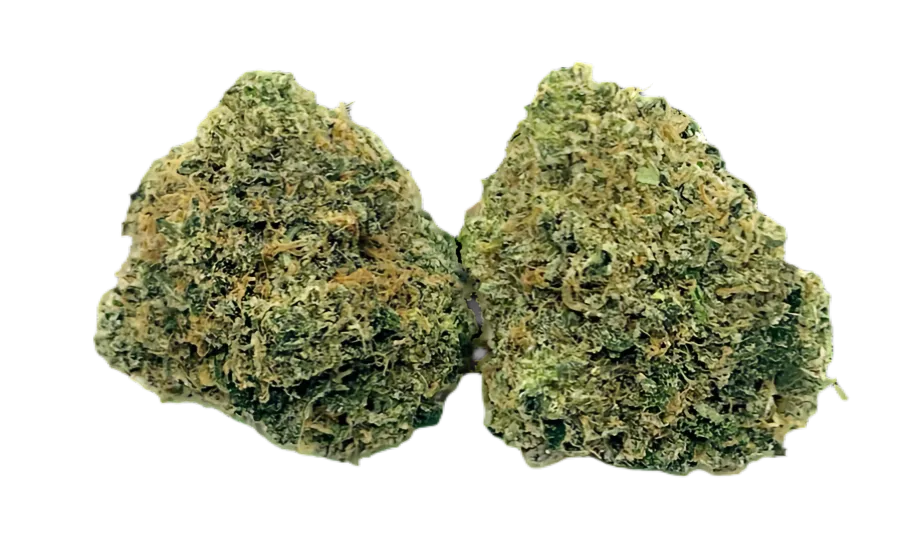
Cannabis Flower and Popular Strain Names
Cannabis flower refers to the harvested flowering material of the cannabis plant.
Commercial strain names often describe perceived aroma, appearance, or expected effects, but names alone do not establish a standardized chemical profile.
Commonly discussed cannabis strains include:
- Amnesia Haze
- Bay Dream
- Bruce Banner
- Bubba Kush
- Cherry Pie
- Critical Kush
- Fantasy Island
- Frosted Truffles
- Galactic Cookies
- Grease Monkey
- Ice Cream Cake
- King Thunderfuck
These varieties are frequently associated with different terpene profiles and cannabinoid concentrations.
However, the chemical composition of products sold under the same strain name may vary between growers and batches.
For medical applications, verified laboratory results are more informative than promotional descriptions such as energizing, relaxing, or pain-relieving.
CBD Oil and Full-Spectrum Hemp Extracts
CBD oil is among the most recognizable categories of cannabinoid products.
Products may be described as:
CBD isolate: A formulation containing purified cannabidiol.
Broad-spectrum CBD: A preparation containing CBD and potentially other cannabis-derived compounds, generally formulated to exclude detectable THC.
Full-spectrum CBD: A preparation containing CBD alongside other plant constituents, potentially including THC.
The precise composition depends on the product, and terminology is not consistently regulated in every jurisdiction.
Consumers should examine independently verified laboratory certificates, cannabinoid concentrations, contaminant testing, and applicable national regulations.
Cannabis Edibles and Cannabinoid Capsules
Cannabis edibles include gummies, chocolates, beverages, and other orally consumed products.
Unlike inhaled cannabis, orally consumed THC undergoes gastrointestinal absorption and liver metabolism.
Effects may be delayed and can last considerably longer than expected.
This delayed onset increases the risk of accidental overconsumption, particularly when individuals take additional servings before the first dose has taken effect.
THC-containing edibles should be kept securely away from children and pets.
Cannabis Vape Products and Inhalation Risks
Cannabis vaping products include disposable devices, cartridges, and refillable systems.
Although vaporization avoids some combustion products associated with smoking, vaping is not risk-free.
Potential concerns include contaminants, additives, device-related exposures, and respiratory effects.
Unregulated THC vaping products have been associated with serious lung injuries.
Consumers should not assume that a product is safe simply because it is advertised as laboratory-tested, solvent-free, or premium.
Cannabis Hash, Rosin, Live Resin and Concentrates
Cannabis concentrates are preparations containing elevated concentrations of cannabinoids and other plant compounds.
Common categories include:
- Traditional hashish
- Dry-sift hash
- Cannabis rosin
- Live resin
- Cannabis badder
- Cannabis crumble
- THC distillate
- Cannabis wax
- Rick Simpson Oil (RSO)
Extraction methods, residual solvents, contaminants, and cannabinoid concentrations differ between products.
High-potency THC concentrates can produce significant impairment and adverse reactions. Descriptions such as pure, natural, or solventless do not establish medical safety.
Medical Cannabis and CBD in Australia: State-by-State and City-by-City Guide
Australia has a regulated medical cannabis framework. Access to prescription cannabis medicines is governed by federal therapeutic goods rules together with relevant state and territory requirements.
The legality of a particular product depends on its formulation, classification, prescription status, and intended use.
For authoritative information, visit the Australian Therapeutic Goods Administration.
New South Wales, Australia — Sydney, Newcastle and Regional Communities
Medical cannabis and CBD research are relevant to patients and healthcare professionals throughout New South Wales.
Major population centers include Sydney, Newcastle, Wollongong, Central Coast, Maitland, Tweed Heads, Wagga Wagga, Albury, Tamworth, Orange, Dubbo, and Bathurst.
Residents researching CBD oil in Sydney, medical cannabis in Newcastle, or cannabinoid treatments in Wollongong should prioritize licensed healthcare services and official regulatory information.
Commercial claims about unrestricted recreational cannabis delivery should not be confused with lawful prescription access.
Victoria, Australia — Melbourne, Geelong and Bendigo
Victoria has an established medical cannabis research and healthcare environment.
Relevant cities include Melbourne, Geelong, Ballarat, Bendigo, Shepparton, Warrnambool, Mildura, and Wodonga.
Searches concerning medical cannabis in Melbourne, CBD products in Geelong, and prescription cannabinoid treatments in Bendigo should be evaluated against Australian medical and pharmaceutical regulations.
Queensland, Australia — Brisbane, Gold Coast and Cairns
Queensland communities include Brisbane, Gold Coast, Sunshine Coast, Townsville, Cairns, Toowoomba, Mackay, Rockhampton, Bundaberg, and Hervey Bay.
People researching CBD oil in Brisbane, medical cannabis in Gold Coast, or prescription cannabinoid medicines in Cairns should consult qualified medical professionals.
Western Australia — Perth, Bunbury and Regional Cities
Western Australia’s major communities include Perth, Bunbury, Geraldton, Albany, Kalgoorlie, and Busselton.
Cannabis-related searches in these locations commonly concern prescription requirements, product safety, treatment eligibility, and the differences between CBD and THC.
South Australia — Adelaide and Surrounding Communities
In Adelaide, Mount Gambier, Whyalla, Murray Bridge, and Port Pirie, patients seeking information about medical cannabis should consult healthcare professionals familiar with Australian prescribing requirements.
Tasmania — Hobart, Launceston and Devonport
Tasmania’s key population centers include Hobart, Launceston, Devonport, and Burnie.
Residents researching medical cannabis in Hobart or CBD treatment options in Launceston should distinguish approved medical pathways from unregulated retail claims.
Northern Territory — Darwin and Alice Springs
Communities including Darwin, Alice Springs, Palmerston, and Katherine fall within Australia’s broader medical cannabis regulatory framework.
Australian Capital Territory — Canberra
Canberra has distinct local cannabis laws, but these should not be interpreted as authorization for unrestricted commercial sales or interstate distribution.
Federal laws and prescription requirements remain relevant.
Cannabis and CBD Across Europe: Country-by-Country Research and Regulatory Guide
European cannabis legislation varies substantially.
A product that may be legally prescribed, possessed, cultivated, or sold under certain conditions in one country may be restricted or prohibited in another.
European Union membership does not create a single unified legal market for recreational THC products.
Germany — Medical Cannabis Research in Berlin, Munich, Hamburg and Frankfurt
Germany is one of Europe’s most prominent jurisdictions for cannabis policy discussion and medical cannabinoid research.
Important locations include:
Bavaria: Munich, Nuremberg, Augsburg.
North Rhine-Westphalia: Cologne, Düsseldorf, Dortmund, Essen.
Baden-Württemberg: Stuttgart, Mannheim, Karlsruhe, Freiburg.
Hesse: Frankfurt, Wiesbaden, Kassel.
Lower Saxony: Hanover, Braunschweig, Osnabrück.
Saxony: Dresden, Leipzig, Chemnitz.
Berlin: Berlin.
Hamburg: Hamburg.
Bremen: Bremen, Bremerhaven.
Schleswig-Holstein: Kiel, Lübeck, Flensburg.
Rhineland-Palatinate: Mainz, Koblenz, Trier.
Saarland: Saarbrücken, Neunkirchen.
Brandenburg: Potsdam, Cottbus.
Mecklenburg-Vorpommern: Rostock, Schwerin, Greifswald.
Saxony-Anhalt: Magdeburg, Halle.
Thuringia: Erfurt, Jena, Weimar.
People researching medical cannabis in Berlin, CBD oil in Munich, or cannabis regulations in Hamburg should consult current German legislation.
Germany’s cannabis reforms should not be interpreted as unrestricted authorization for online THC
