buy CBD oil online, buy concentrates online, buy live resin online, buy medical weed online, buy pre rolls online, Buy Weed Online, dispensary open late near me, Guide, Health, Innovation, order weed online, Style, top rated cannabis dispensaries, Uncategorized, Weed For Sale, Weed For Sale Online, weed store near me
The Future of Cannabis in 2026: Exploring Premium Weed Strains, THC Products, Hash, Concentrates, Edibles and the New Era of Cannabis Innovation
Nov
The Future of Cannabis in 2026: Exploring Premium Weed Strains, THC Products, Hash, Concentrates, Edibles and the New Era of Cannabis Innovation
Introduction: The Cannabis Industry Is Entering a New Era
The cannabis industry is evolving rapidly in 2026. What was once a relatively straightforward market centered on traditional cannabis flower has developed into a diverse landscape of botanical products, innovative extraction methods, new consumption formats, and increasingly sophisticated product standards.
Today, cannabis culture encompasses far more than familiar marijuana strains. The modern cannabis marketplace includes premium weed flower, carefully processed shake, THC vape pens, cannabis-infused edibles, traditional hashish, live resin, concentrates, and specialized cannabinoid formulations.
This transformation reflects a growing interest in product transparency, consistent manufacturing, terpene preservation, and the unique characteristics of different cannabis varieties.
At the same time, changing consumer expectations are influencing how cannabis products are cultivated, processed, packaged, and evaluated. People are increasingly interested in understanding the differences between indica, sativa, and hybrid varieties, exploring cannabinoid profiles, and learning how extraction technologies influence the final characteristics of cannabis products.
For readers interested in exploring the different categories, 420 Green Haven’s cannabis product directory provides a starting point for understanding the variety of products represented in today’s cannabis marketplace.
This guide explores the most interesting cannabis developments of 2026, from classic marijuana genetics to modern THC formulations, premium hash, botanical extracts, and the technologies shaping the industry’s future.
1. Premium Cannabis Flower: Why Genetics and Terpene Profiles Matter
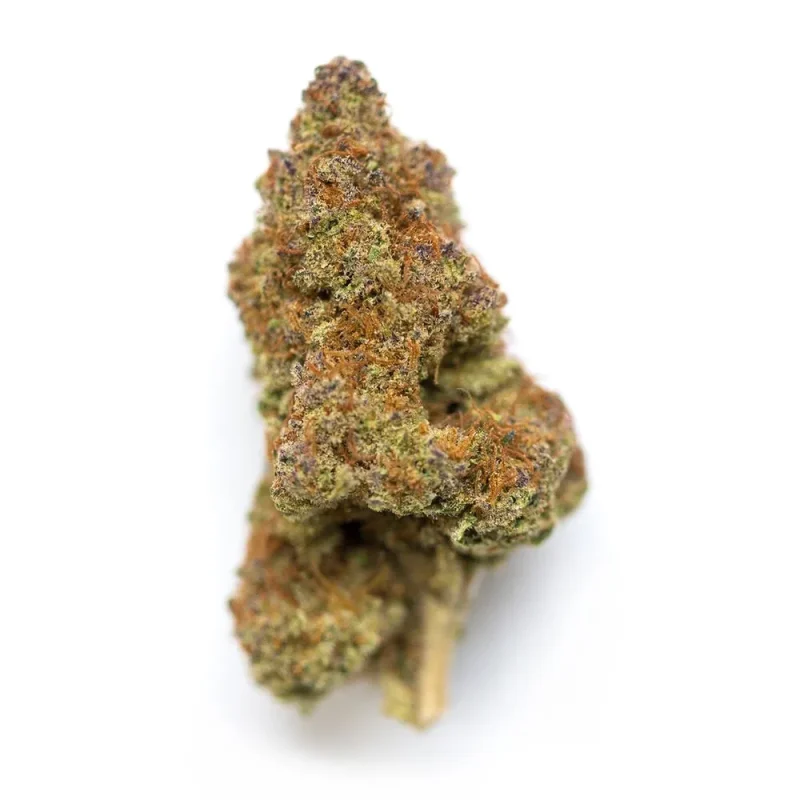
Cannabis flower remains one of the most recognizable and important product categories in the industry. However, the conversation surrounding premium marijuana has become considerably more sophisticated.
Instead of evaluating cannabis exclusively by appearance or THC percentage, enthusiasts and industry observers increasingly consider several characteristics, including:
- Cannabis genetics and strain lineage.
- Aroma and terpene composition.
- Cannabinoid concentrations.
- Cultivation and curing methods.
- Flower structure and visual characteristics.
- Moisture levels and storage conditions.
- Laboratory testing and product transparency.
These characteristics help explain why two cannabis varieties with similar THC concentrations can have noticeably different aromatic profiles and chemical compositions.
Understanding Popular Weed Strains
Cannabis genetics play an important role in determining the characteristics of individual cultivars. Some varieties are recognized for their distinctive citrus aromas, while others are associated with earthy, sweet, fruity, spicy, or dessert-inspired fragrance profiles.
Popular strain names include:
- Amnesia Haze
- Blue Dream
- Bruce Banner
- Bubba Kush
- Cherry Pie
- Critical Kush
- Fantasy Island
- Frosted Truffles
- Galactic Cookies
- Grease Monkey
- Ice Cream Cake
- King Thunderfuck
Each cultivar has its own genetic background and characteristic combination of aromatic compounds.
For additional information about this category, explore premium cannabis flower and marijuana strains.
The Importance of Cannabis Terpenes
Terpenes are naturally occurring aromatic compounds found in many plants, including cannabis.
Some commonly discussed cannabis terpenes include:
- Myrcene: Associated with earthy, herbal, and musky aromas.
- Limonene: Recognized for its citrus-like fragrance.
- Pinene: Commonly associated with pine and fresh botanical aromas.
- Linalool: Known for floral and lavender-like characteristics.
- Caryophyllene: Recognized for spicy, peppery notes.
- Humulene: Associated with woody and earthy aromas.
Understanding terpene profiles adds another dimension to cannabis education. It also demonstrates why evaluating a cannabis variety involves considerably more than looking at its advertised THC percentage.
2. Cannabis Shake: Understanding an Often-Overlooked Category
Cannabis shake is another established product category that deserves attention in discussions about the modern cannabis market.
Shake generally consists of smaller cannabis flower fragments and loose plant material that collect during handling, trimming, packaging, and storage. Its composition and quality can vary depending on its source and processing.
Not all cannabis shake is identical. Factors such as freshness, storage conditions, plant material composition, and the presence of excess stems or unwanted debris can influence its overall quality.
Mixed Shake and Premium Shake
Two commonly recognized varieties include:
Mixed Cannabis Shake: A combination of smaller flower fragments and other loose cannabis material. Its composition depends on the source and sorting process.
Premium Cannabis Shake: A more carefully selected category intended to emphasize cleaner composition and better consistency.
Understanding these differences helps readers distinguish between various forms of cannabis flower material.
Explore the cannabis shake and mixed shake category for more information.
3. THC Vape Pens and Cannabis Vaporization Technology
Cannabis vaporization has become an important area of product development. Modern vape technology includes disposable devices, rechargeable systems, cartridges, pods, and specialized oil formulations.
A THC vape pen typically consists of a heating element, an oil reservoir, and a power source. Depending on the formulation, the reservoir may contain cannabis distillate, live resin, or other concentrated extracts.
Understanding Different Cannabis Vape Formulations
The composition of cannabis vape oil can influence its aroma, consistency, cannabinoid profile, and overall chemical characteristics.
Some commonly discussed formulations include:
THC Distillate: A highly refined cannabis extract produced through separation and purification processes.
Live Resin: A cannabis concentrate generally produced from freshly harvested and frozen plant material to preserve more of its original terpene profile.
Liquid Diamonds: A concentrate formulation associated with highly refined cannabinoid-rich material, sometimes combined with terpene components.
Full-Spectrum Extracts: Products intended to retain a broader range of naturally occurring cannabis compounds.
Disposable Vape Technology
Disposable cannabis vapes combine the heating mechanism and oil reservoir within one device. Rechargeable and cartridge-based formats use different hardware arrangements.
Product evaluation should consider manufacturing quality, device materials, ingredient disclosure, battery safety, and independent laboratory testing.
Learn more about the product category through the THC vape pen and cannabis vaporizer collection.
4. Cannabis Edibles: Gummies, Chocolates and Other Infused Formats
Cannabis edibles represent another significant development in the modern cannabis marketplace.
Unlike inhalable products, edibles are consumed orally and undergo digestion and metabolism. This creates a different cannabinoid absorption process and can result in a delayed onset and longer-lasting effects.
Common edible formats include:
- THC-infused gummies.
- Cannabis chocolates.
- Fruit-flavored infused candies.
- Cannabinoid capsules.
- Infused confectionery.
- Other cannabis-derived edible formulations.
Understanding THC Concentrations and Product Labels
One important aspect of cannabis edibles is the distinction between the total cannabinoid content of a package and the amount contained in an individual serving.
Clear labeling should communicate:
- Total THC content.
- THC per serving.
- Other cannabinoids present.
- Complete ingredient information.
- Manufacturing and expiration details.
- Laboratory testing information.
Consumers should not assume that products with similar packaging contain equivalent cannabinoid concentrations.
Edibles also require particular care because their effects may take considerably longer to become noticeable than those of inhaled cannabis. Delayed onset can make accidental overconsumption more likely.
Explore the cannabis edibles and THC-infused products category to learn about the different product formats represented in this segment.
5. Hashish and Traditional Cannabis Concentrates
Hashish, commonly known as hash, has a long history in cannabis culture.
Traditional hash production involves collecting and compressing resin-rich trichomes from cannabis plants. These structures contain many of the cannabinoids and aromatic compounds associated with cannabis.
Over time, processing methods have evolved, creating several different varieties of cannabis hash and resin-based concentrates.
Different Types of Hash
Cannabis hash can vary considerably in appearance, texture, aroma, and composition.
Some recognized categories include:
Traditional Hashish: A concentrated cannabis preparation made from collected and compressed resin glands.
Dry-Sift Hash: Produced by separating trichomes from plant material using specialized screens.
Bubble Hash: A water-and-ice separation method used to collect resin glands.
Pressed Hash: A form of hash created by compressing collected resin material.
Modern Hash Concentrates: Products that use more specialized separation and processing techniques.
Understanding Cannabis Hash Quality
Several characteristics are commonly considered when evaluating hash:
- Texture and consistency.
- Aroma and terpene preservation.
- Color and appearance.
- Cannabinoid composition.
- Moisture and storage conditions.
- Purity and independent testing.
For readers interested in this traditional category, explore cannabis hash and hashish products.
6. Cannabis Extracts: Live Resin, Badder, Crumble and Rosin
Cannabis extraction technology has introduced a wide range of specialized products.
Concentrates are created by separating cannabinoid-rich and terpene-containing material from cannabis plant matter. Different production methods create different textures, consistencies, and chemical profiles.
Popular Cannabis Concentrate Types
Live Resin
Live resin is generally produced from freshly harvested cannabis that has been frozen to help preserve its aromatic compounds during extraction.
Live Rosin
Live rosin is a solventless concentrate commonly produced using heat and pressure. Its production method distinguishes it from solvent-based extraction techniques.
Badder
Badder is a concentrate characterized by a soft, creamy, or whipped consistency.
Crumble
Crumble is generally known for its dry, brittle, and easily broken texture.
Live Resin Sugar
This concentrate typically features a granular or crystalline appearance suspended in terpene-rich material.
THC Distillate
Distillate undergoes refinement to isolate particular cannabinoid compounds.
Rick Simpson Oil
Rick Simpson Oil, commonly abbreviated as RSO, is a concentrated cannabis oil associated with traditional cannabis extraction practices.
Although these products belong to the same broad category, their production methods and chemical compositions can differ substantially.
Explore cannabis extracts and premium concentrates to learn more about the different concentrate formats.
7. E-Liquids and the Evolution of Cannabis-Related Vape Formulations
E-liquids are another category associated with modern vaporization products.
The term can refer to different formulations depending on the product and its intended device. Conventional nicotine-free or nicotine-containing e-liquids are not necessarily interchangeable with THC cannabis oils.
This distinction is important because different formulations may require entirely different hardware, ingredients, and manufacturing standards.
What Should Product Transparency Include?
Responsible product labeling should clearly identify:
- The ingredients used.
- The intended device compatibility.
- The presence or absence of nicotine.
- The presence or absence of cannabinoids.
- Relevant laboratory testing.
- Manufacturing and storage information.
Consumers should never assume that a conventional e-liquid is suitable for a cannabis oil vaporizer or that a THC concentrate is appropriate for an ordinary e-liquid device.
Explore the e-liquid product category for information about this product segment.
8. The Biggest Cannabis Industry Trends Shaping 2026
The cannabis industry is changing through developments in product design, extraction technology, cultivation, and consumer expectations.
Several important trends are attracting attention in 2026.
A Greater Focus on Product Transparency
Modern cannabis markets are placing increased emphasis on product information.
Laboratory testing, cannabinoid disclosure, terpene profiles, ingredient lists, and traceability are becoming important parts of product evaluation.
This reflects a wider expectation that cannabis products should be supported by reliable information rather than marketing claims alone.
Continued Interest in Premium Concentrates
Live resin, live rosin, badder, crumble, and other cannabis concentrates remain important categories in the evolving cannabis marketplace.
Industry reporting from 2026 indicates continued interest in specialized extraction formats, with premium resin and rosin products receiving particular attention.
Changing Cannabis Vape Formats
Vape technology continues to evolve through changes in device design, disposable formats, oil formulations, and hardware engineering.
However, product quality and manufacturing standards remain essential considerations.
More Attention to Cannabis Genetics
Cannabis breeding continues to introduce new combinations of familiar genetics.
Dessert-inspired cultivars, fruit-forward aromatic profiles, and distinctive hybrid varieties remain prominent subjects in cannabis culture.
Innovation in Cannabis Processing
Modern extraction facilities increasingly focus on consistency, processing efficiency, quality assurance, and preserving desirable compounds.
These developments are helping create a more specialized cannabis product landscape.
Data-Driven Cannabis Markets
Industry reports increasingly examine consumer preferences, product categories, retail performance, and wholesale pricing.
For example, BDSA’s 2026 market reporting highlights significant changes in vape formats and the continued development of premium concentrate segments.
These changes demonstrate that the cannabis industry is becoming more diverse and technologically sophisticated.
9. Cannabinoids Beyond THC: Understanding the Broader Cannabis Plant
Although THC is one of the most widely recognized cannabis compounds, the plant contains numerous other cannabinoids.
Some of the most frequently discussed include:
CBD (Cannabidiol): A non-intoxicating cannabinoid that has received considerable attention in scientific research.
CBG (Cannabigerol): A minor cannabinoid that serves as a precursor to several other cannabinoids in the plant.
CBN (Cannabinol): A cannabinoid associated with the degradation of THC and frequently discussed in cannabinoid research.
CBC (Cannabichromene): Another naturally occurring cannabinoid currently being investigated for its biological properties.
THCV (Tetrahydrocannabivarin): A cannabinoid with a chemical structure related to THC but distinct pharmacological properties.
The scientific understanding of these compounds continues to develop. Their potential biological effects should not be confused with proven medical benefits.
10. Cannabis Quality, Laboratory Testing and Responsible Product Evaluation
As cannabis product categories become more sophisticated, quality assurance becomes increasingly important.
A product’s appearance or advertised cannabinoid concentration cannot independently establish its safety or purity.
Independent laboratory testing can provide information about:
- Cannabinoid concentrations.
- Terpene composition.
- Residual solvents.
- Pesticide contamination.
- Heavy metals.
- Microbial contaminants.
- Product consistency.
These considerations apply across cannabis flower, shake, vape oils, edibles, hash, and concentrates.
Clear manufacturing information and accessible laboratory results help readers make more informed comparisons.
Cannabis laws and product regulations also differ between countries, states, and territories. Product availability and permitted uses should always be assessed under the rules applicable to the reader’s location.
11. What Could the Future Hold for Cannabis Beyond 2026?
The next stage of cannabis development will likely involve continued improvements in cultivation science, cannabinoid research, extraction methods, packaging, and laboratory testing.
Several areas deserve particular attention:
Advanced Cultivation: Greater emphasis on consistent genetics, environmental controls, and quality management.
Improved Extraction Technology: Continued development of solventless processing, terpene preservation, and specialized concentrates.
More Detailed Product Information: Better disclosure of ingredients, cannabinoid profiles, and laboratory findings.
New Product Formats: Continued experimentation with cannabis-derived formulations and delivery technologies.
Scientific Research: Further investigation into cannabinoids, terpenes, the endocannabinoid system, and their biological interactions.
Ultimately, the future of cannabis will depend on the combination of scientific evidence, responsible manufacturing, transparent communication, and evolving consumer expectations.
Frequently Asked Questions About Cannabis Products in 2026
What are the most popular cannabis product categories in 2026?
Major categories include cannabis flower, pre-rolls, THC vape products, edibles, hashish, concentrates, live resin, live rosin, and other cannabinoid formulations. Their relative popularity varies across regulated markets.
What is the difference between cannabis flower and shake?
Cannabis flower refers to the harvested flowering portions of the plant. Shake generally consists of smaller flower fragments and loose material collected during handling and processing.
What is the difference between live resin and live rosin?
Live resin is generally produced through solvent-based extraction of fresh-frozen cannabis. Live rosin is produced using a solventless process involving heat and pressure.
What are cannabis terpenes?
Terpenes are naturally occurring aromatic compounds found in cannabis and many other plants. They contribute to the distinctive aromas and flavors associated with different cultivars.
What is hashish?
Hashish is a concentrated cannabis preparation made from collected and compressed resin-rich trichomes.
What are cannabis edibles?
Cannabis edibles are orally consumed products containing cannabis-derived cannabinoids. Common examples include gummies, chocolates, candies, and capsules.
What should consumers look for when evaluating cannabis products?
Important considerations include transparent labeling, ingredient disclosure, cannabinoid information, independent laboratory testing, appropriate storage, and compliance with local regulations.
Is a higher THC percentage always an indication of better cannabis quality?
No. THC concentration is only one measurement. Aroma, terpene composition, freshness, cultivation practices, product consistency, and laboratory testing are also important considerations.
Conclusion: A More Diverse and Innovative Cannabis Landscape
Cannabis in 2026 represents a much broader and more sophisticated industry than the traditional image of marijuana alone.
From classic flower genetics and premium shake to specialized vape formulations, cannabis edibles, traditional hashish, live resin, and modern extraction technologies, the marketplace continues to evolve.
The most meaningful developments are not simply about introducing new product names. They involve better cultivation practices, improved processing standards, clearer product information, and a stronger emphasis on understanding the chemistry of the cannabis plant.
For anyone interested in learning about modern cannabis products, their characteristics, and the technologies behind them, exploring the different categories is an excellent starting point.
Discover the evolving world of cannabis with 420 Green Haven. Explore the cannabis flower collection, shake category, THC vape products, edibles, hashish, cannabis extracts, and e-liquid products to learn more about the different segments shaping today’s cannabis industry.
420 Green Haven — Exploring Cannabis, Product Innovation, and the Future of Botanical Culture.
