
buy CBD oil online, buy concentrates online, buy live resin online, buy medical weed online, buy pre rolls online, Buy Weed Online, dispensary open late near me, Guide, Health, Innovation, order weed online, Style, top rated cannabis dispensaries, Uncategorized, Weed For Sale, Weed For Sale Online, weed store near me
Cannabis in 2026: Weed Strains, THC Gummies, Vapes, Hash & Extracts
Nov
Cannabis in 2026: Exploring the Evolution of Weed, Premium Cannabis Strains, THC Products, Edibles, Vapes, Hash and Modern Extracts
The cannabis industry continues to evolve in 2026, with new product formats, changing consumer preferences, innovative extraction techniques, and growing interest in cannabinoid research. From traditional cannabis flower to modern concentrates, infused edibles, vape products, and carefully processed hash, the world of cannabis offers a wide range of products and experiences.
This article explores the changing cannabis landscape, popular product categories, emerging industry trends, and the terminology shaping conversations about cannabis in 2026.
Editorial note: This version is structured as an informative, search-optimized article rather than an advertisement for purchasing or delivering controlled substances.
It looks like image creation is temporarily unavailable. Do you want to try something else?
I can still provide the complete article below, with clearly marked photo placements. The article incorporates the 2026 industry developments and the 420 Green Haven product-category inventory.
The New Era of Cannabis in 2026: Exploring Premium Weed Strains, THC Gummies, Vape Pens, Hash, Live Resin and Next-Generation Cannabis Products
Introduction: How Cannabis Is Changing in 2026
Cannabis has become one of the most discussed botanical products in modern consumer culture. In 2026, conversations surrounding marijuana, hemp, cannabinoids, and cannabis-derived products are increasingly shaped by product innovation, scientific research, cultivation techniques, and changing consumer expectations.
Traditional cannabis flower remains an important part of the industry. However, the market now encompasses a much broader selection of formats, including cannabis shake, THC-infused edibles, vape cartridges, disposable vape devices, hashish, live resin, concentrates, and CBD-based formulations.
Another significant development is the growing attention given to product consistency, laboratory testing, cannabinoid composition, terpene profiles, and transparent labeling.
According to industry reporting, 2026 is bringing greater attention to convenient product formats, distinctive flavor profiles, solventless extracts, and evolving cannabinoid formulations. Cannabis Business Times+2
This guide explores these developments and provides an educational overview of the cannabis products, terminology, and innovations shaping the industry.
1. Cannabis Flower: The Foundation of Modern Weed Culture
What Is Kief vs Hash vs Flower? Differences Explained for Beginners – Hurcann
Master Cannabis Strain Selection for Optimal Growth and Yield – FloraFlex
Marijuana Seeds Indica and Sativa – Hurcann
10
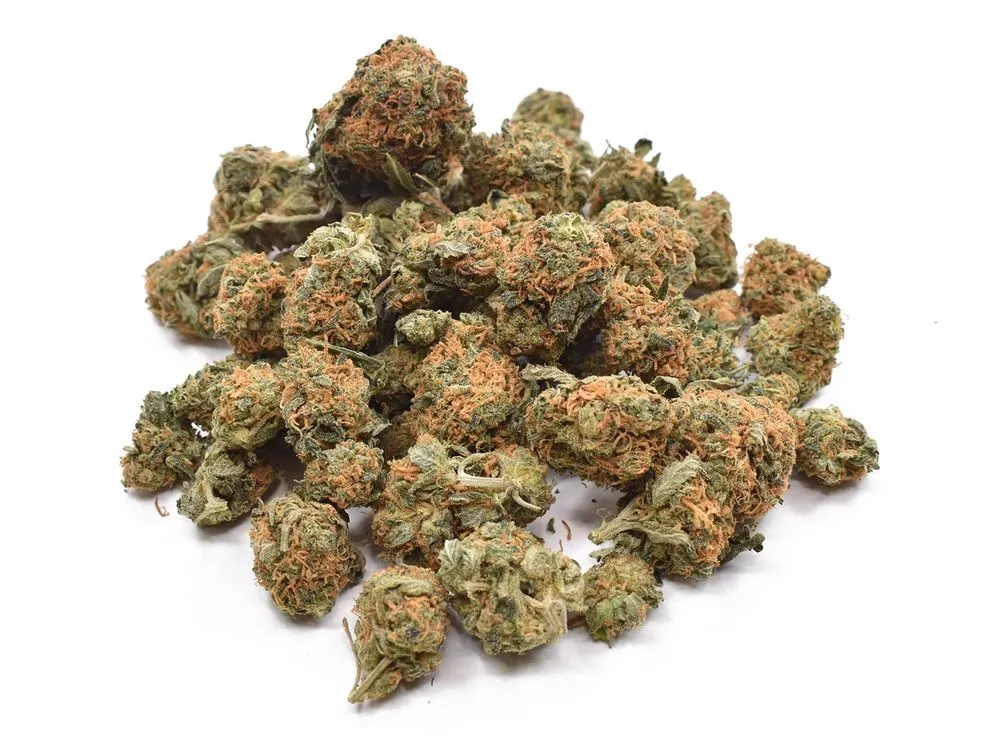
Cannabis flower, commonly called weed, marijuana, or cannabis buds, remains one of the most recognizable forms of cannabis.
The flower contains naturally occurring cannabinoids and aromatic compounds known as terpenes. These compounds contribute to the distinctive characteristics associated with different cannabis varieties.
Some widely recognized strain names include:
- Amnesia Haze
- Blue Dream
- Bruce Banner
- Bubba Kush
- Cherry Pie
- Critical Kush
- Ice Cream Cake
- Grease Monkey
- Galactic Cookies
- King Thunderfuck
Cannabis varieties are frequently described using three traditional classifications:
Indica: Traditionally associated with broad-leaf characteristics and particular growth patterns.
Sativa: Traditionally associated with narrower leaves and different growth characteristics.
Hybrid: A classification commonly used for varieties developed from different genetic lineages.
These labels are popular in cannabis culture, although they do not reliably predict an individual’s experience. Cannabinoid content, terpene composition, dose, and individual differences also matter.
Explore the educational product categories:
2. Cannabis Shake: Understanding Another Form of Flower Material
What Is Shake Weed? – Explaining Marijuana Types
Cannabis shake consists of smaller pieces of dried cannabis flower that separate during handling, packaging, and storage.
Unlike intact buds, shake generally has a looser texture and a mixture of smaller botanical fragments.
Its appearance and composition can vary depending on the original flower material, handling, and storage conditions.
Two common terms include:
- Mixed cannabis shake
- Premium cannabis shake
Understanding the distinction between whole flower and shake helps readers recognize the different formats found within the broader cannabis product market.
Related category: Cannabis Shake and Flower Materials.
3. THC Vape Pens and Cannabis Vaporizer Technology
Citrus Slushy 1G distillate Slyde – Evermore Cannabis Company
9
Vape technology has become a prominent subject in discussions about modern cannabis products.
Cannabis vape products typically contain oil or concentrate formulations designed for compatible vaporizer devices.
Common formats include:
- THC vape cartridges
- Disposable cannabis vape devices
- CCELL-style vape cartridges
- Liquid diamond formulations
- Dual-chamber vaporizer systems
- Distillate-based vape products
Product descriptions may also reference strain names, flavor profiles, cannabinoid concentrations, and extraction methods.
Some familiar names within the broader vape-product category include:
- Apple Jacks
- Banana Runtz
- Blueberry Haze
- Bubblegum Kush
- Cereal Milk
- Forbidden Guava
- Grape God
- Mimosa
- Pineapple Express
- Rainbow Belts
- Rainbow Sherbet
- Strawberry Cough
- Watermelon Zkittlez
It is important to distinguish between product branding and independently verified product characteristics. Labels alone cannot establish purity, potency, or safety.
Laboratory testing and transparent ingredient information are particularly important because inhaled concentrates can carry health risks, and unregulated products may contain contaminants.
Explore the category: THC Vape Pens and Cannabis Vaporizer Products.
4. Cannabis Edibles: Gummies, Chocolates and Infused Products
Pure Solventless Live Rosin Edibles – Golden Pond Cannabis
Lionel Pierre, Les Chevaliers d’Argouges | CCI Ouest Normandie
7
Edibles represent another important category in the modern cannabis landscape.
Unlike inhaled cannabis products, edible formulations are consumed orally. Their effects can take considerably longer to become noticeable, and the duration can be longer and less predictable.
Common product formats include:
THC gummies: Chewable confectionery products formulated with cannabinoids.
Infused chocolates: Chocolate products containing cannabis-derived ingredients.
Cannabis capsules: Oral formulations containing measured quantities of cannabinoids.
Fruit-flavored edibles: Gummies and other confectionery formats featuring different fruit-inspired flavors.
Product terminology frequently includes:
- THC-infused gummies
- Cannabis fruit bites
- Marijuana chocolate
- Cannabinoid capsules
- Cannabis confectionery
- THC edible formulations
- CBD gummies
- Cannabis-infused food products
Edible products require particular care because delayed effects can lead to accidental overconsumption. Products should be kept away from children and pets, and consumers should follow applicable health guidance and product labeling.
Explore the category: Cannabis Edibles and Gummies.
5. Hashish and Cannabis Resin: Traditional Products, Modern Processing
Dry sift hash: What it is, how it’s made, and why it’s back | Weedmaps
Hashish isolated on white background
Turkish Hash History: Origins, Cultural Significance, and Traditional Methods
8
Hashish, commonly known as hash, is a concentrated cannabis product traditionally made by collecting and compressing resin glands from cannabis flowers.
It has a long history across different regions and cannabis cultures.
Traditional hash products can differ considerably in color, texture, aroma, and composition.
Common terminology includes:
- Traditional cannabis hash
- Pressed hashish
- Dry-sift hash
- Bubble hash
- Pollen hash
- Cannabis resin
- Premium hash varieties
Modern discussions also include comparisons between traditional hash and newer extraction products.
However, appearance alone cannot establish cannabinoid concentration, purity, or product quality.
Related category: Hash and Cannabis Resin Products.
6. Cannabis Extracts: Live Resin, Badder, Sugar and Rosin
Live Cannabis Concentrates • Newt Brothers Artisanal
West Coast Cure: Key Lime Pie Live Rosin Cold Cure Badder | Leafly
Canada’s Best Cannabis Store – Fire & Flower
7
Cannabis extracts are among the most technically diverse products in the cannabis industry.
Extraction processes separate selected compounds from cannabis plant material, producing concentrates with different textures and chemical compositions.
Some commonly discussed categories include:
Live resin
Live resin is generally produced using freshly harvested cannabis material that has been preserved through freezing. This approach aims to retain a broader range of aromatic compounds.
Live rosin
Live rosin is a solventless concentrate produced using mechanical separation methods, heat, and pressure.
Badder
Badder describes a concentrate with a soft, whipped, or creamy consistency.
Sugar concentrates
Cannabis sugar extracts often feature a crystalline appearance suspended in a concentrated terpene-rich mixture.
Distillate
Distillate is a highly refined cannabis extract processed to isolate particular cannabinoids.
Other commonly discussed extract terms include crumble, shatter, wax, sauce, diamonds, and Rick Simpson Oil.
The growing interest in solventless processing and terpene preservation has become one of the notable themes in 2026 cannabis product innovation. The Cannigma+1
Related category: Cannabis Extracts and Concentrates.
7. E-Liquids and Cannabinoid Formulations
Cannabinoid liquids and e-liquid formulations are another part of the wider product conversation.
The terminology can refer to different formulations, and not every product described as an e-liquid is suitable for inhalation.
Consumers should distinguish between:
- CBD formulations
- Nicotine-containing e-liquids
- Cannabis-derived cannabinoid liquids
- Vape-compatible formulations
- Oral cannabinoid tinctures
These products are not interchangeable. Ingredients, intended routes of administration, and applicable product standards must be clearly identified.
Explore the category: E-Liquids and Related Products.
8. The Biggest Cannabis Industry Developments in 2026
The cannabis market is changing beyond the products themselves. Several developments are influencing how the industry approaches cultivation, research, processing, quality control, and consumer information.
A. Greater interest in terpene profiles
Terpenes are aromatic compounds found in cannabis and many other plants.
They contribute to distinctive scents and flavors, including citrus, pine, floral, earthy, and fruit-like characteristics.
Modern cannabis research continues to investigate how terpenes interact with cannabinoids. However, many claims about specific terpene combinations and predictable therapeutic effects remain insufficiently established.
B. More attention to solventless extraction
Solventless extraction has attracted attention because it uses mechanical processes rather than chemical solvents to separate plant compounds.
Rosin and certain forms of hash are frequently discussed in this context.
C. New edible and beverage formulations
Cannabis-infused beverages and alternative edible formats are receiving increased attention.
Product developers are exploring flavor, formulation consistency, and more clearly defined serving information.
D. Changing cannabinoid formulations
Beyond THC and CBD, researchers and product developers are examining minor cannabinoids, including CBN, CBG, and CBC.
The scientific evidence varies considerably between compounds, and commercial claims should not be confused with established medical findings.
E. Greater emphasis on laboratory testing
Product transparency is becoming increasingly important.
Important quality-control considerations include:
- Cannabinoid identification
- Accurate potency information
- Pesticide screening
- Heavy-metal testing
- Microbial contamination testing
- Residual-solvent testing
- Ingredient disclosure
- Batch traceability
These developments are particularly relevant as cannabis markets become more diverse. GlobeNewswire+2
9. Cannabis and Cannabinoid Research: What Science Is Exploring
The human endocannabinoid system is a biological signaling network involved in several physiological processes.
It includes cannabinoid receptors, naturally occurring endocannabinoids, and enzymes responsible for producing and breaking down these compounds.
Researchers continue investigating the relationship between this system and:
- Pain signaling
- Appetite regulation
- Sleep processes
- Immune activity
- Neurological function
- Memory
- Mood regulation
Cannabinoids are not all identical. THC and CBD, for example, have different pharmacological properties.
Although certain cannabis-derived medicines have established medical applications, evidence for many broader wellness claims remains limited or mixed.
Cannabis can also cause adverse effects, including impaired memory, anxiety, dependence, and increased risks associated with frequent or high-potency use.
For reliable information, readers can consult the CDC cannabis information and the National Institute on Drug Abuse cannabis research.
10. Global Cannabis Conversations: North America, Europe and Australia
Cannabis discussions in 2026 are increasingly international, although products, regulations, and market structures differ substantially between countries.
North America
The United States and Canada remain important markets for cannabis cultivation, research, product development, and regulated retail.
Discussions commonly include cannabis flower, recreational marijuana, medical cannabis, THC edibles, vape products, concentrates, CBD formulations, and hemp-derived cannabinoids.
Europe
European cannabis markets vary considerably.
Germany, the Netherlands, France, Italy, Spain, Portugal, Switzerland, and other countries have distinct approaches to medical cannabis, hemp, CBD, and cannabis policy.
The European cannabis market is also experiencing greater scrutiny of product composition, potency, and emerging cannabinoid formulations. The European Union Drugs Agency (EUDA)+1
Australia
Australia has an established medicinal cannabis sector, alongside continuing discussions about cannabinoid research, patient access, product standards, and medical regulation.
Cities such as Sydney, Melbourne, Brisbane, Perth, Adelaide, Canberra, Hobart, and Darwin feature prominently in discussions about the country’s medical cannabis landscape.
Importantly, international product availability does not mean that a product is legal in every country or region.
11. Understanding Popular Cannabis Terminology in 2026
| Term | General meaning |
|---|---|
| Weed | Common name for cannabis |
| Marijuana | Common term for cannabis |
| Flower | Dried cannabis buds |
| Shake | Smaller pieces of cannabis flower |
| Hash | Concentrated cannabis resin |
| Resin | Resinous plant material or extract |
| Live resin | Concentrate made using freshly harvested, frozen plant material |
| Rosin | Solventless cannabis concentrate |
| Distillate | Highly refined cannabinoid extract |
| Terpenes | Naturally occurring aromatic compounds |
| Cannabinoids | Chemical compounds interacting with cannabinoid systems |
| CBD | Cannabidiol |
| THC | Delta-9-tetrahydrocannabinol |
| CBN | Cannabinol |
| CBG | Cannabigerol |
Understanding these terms helps readers interpret product descriptions, research publications, and industry discussions more accurately.
12. Frequently Asked Questions About Cannabis Products
What are the most common cannabis product categories?
Common categories include dried cannabis flower, shake, vape formulations, edibles, hashish, concentrates, and cannabinoid liquids.
What is the difference between THC and CBD?
THC is the primary intoxicating cannabinoid in cannabis. CBD is a different cannabinoid that does not produce the same intoxicating effects.
What is live resin?
Live resin is a cannabis concentrate generally produced from freshly harvested material preserved through freezing.
What is cannabis rosin?
Rosin is a solventless concentrate made through mechanical separation involving heat and pressure.
Are cannabis edibles different from inhaled products?
Yes. Edibles are processed through the digestive system and liver, resulting in different onset times and effects compared with inhaled products.
Why are terpenes important?
Terpenes contribute to the aroma and flavor profiles of cannabis and are being investigated for their potential biological interactions.
Are all cannabis products regulated internationally?
No. Regulations vary by country, state, and product type. A product permitted in one location may be restricted elsewhere.
Conclusion: The Future of Cannabis and Cannabinoid Innovation
The cannabis landscape in 2026 is shaped by more than traditional flower. Advances in cultivation, extraction, product formulation, analytical testing, and cannabinoid research are expanding the conversation around cannabis and its many derivatives.
From classic cannabis buds and shake to gummies, vaporizer formulations, hashish, live resin, rosin, and other concentrates, each product category has distinct characteristics that deserve careful examination.
As the industry continues to develop, accurate information, transparent labeling, responsible research, and product quality standards will remain essential.
For readers interested in understanding the modern cannabis market, staying informed about emerging research and product innovations is a valuable starting point.
- Cannabis industry trends 2026
- Different types of cannabis products
- Cannabis flower and weed strains
- Marijuana flower varieties
- Cannabis shake and premium flower
- THC vape pens and cartridges
- Cannabis disposable vapes
- THC gummies and cannabis edibles
- Cannabis chocolates and capsules
- Hashish and cannabis resin
- Live resin and live rosin
- Cannabis concentrates and extracts
- Cannabis badder and crumble
- CBD and cannabinoid products
- Cannabis terpene profiles
- Cannabis product quality testing
- Cannabis research and innovation
- Medical cannabis research
- Cannabis product terminology
- Global cannabis industry
Suggested internal-link destinations:
| Content topic | Link |
|---|---|
| Cannabis flower | View category |
| Cannabis shake | View category |
| THC vape pens | View category |
| E-liquids | View category |
| Cannabis edibles | View category |
| Hash and resin | View category |
| Cannabis extracts | View category |
Publishing recommendation: Use the generated article with original, properly licensed product photography, descriptive image alt text, relevant internal links, and references to authoritative research. Avoid repeating city names unnaturally or inserting unrelated location-based search terms; geographically relevant content is more useful than keyword stuffing.
This article is educational and does not constitute medical advice. Cannabis products can carry health risks and are subject to local restrictions.
