
buy CBD oil online, buy concentrates online, buy live resin online, buy medical weed online, buy pre rolls online, Buy Weed Online, dispensary open late near me, Guide, Health, Innovation, order weed online, Style, top rated cannabis dispensaries, Uncategorized, Weed For Sale, Weed For Sale Online, weed store near me
Cannabis Explained: Flower, Vaping, Edibles, Concentrates and the Science Behind Their Effects
Nov
Cannabis Explained: Flower, Vaping, Edibles, Concentrates and the Science Behind Their Effects
Understanding cannabis beyond the headlines
Cannabis is a complex plant with a long history and an increasingly active role in scientific research. Today, conversations about cannabis cover far more than traditional flower. They include cannabinoids, aromatic terpenes, CBD, THC, edibles, vape formulations, hash, live resin and other concentrated extracts.
As interest grows, so does the need for clear, reliable information. Product names and marketing descriptions can make cannabis seem straightforward, but different formulations can produce very different effects. The way cannabis is consumed, its cannabinoid concentration and a person’s individual health can all influence the experience.
This guide explores the main cannabis product categories, explains the science behind the plant and examines potential therapeutic applications alongside important health considerations.
1. What makes cannabis such an interesting plant?
Cannabis contains a large variety of naturally occurring compounds. The best-known are cannabinoids, including THC (tetrahydrocannabinol) and CBD (cannabidiol). It also contains aromatic compounds called terpenes, which contribute to the distinctive scents associated with different varieties.
THC is intoxicating. It can change perception, mood, attention, coordination and short-term memory. CBD does not produce the same intoxicating effect, although it can still cause side effects and interact with certain medicines.
Researchers are particularly interested in the endocannabinoid system, a network of receptors and naturally occurring signalling compounds involved in regulating several processes in the body. These include aspects of pain signalling, appetite, mood and memory.
The system is scientifically important, but its existence does not mean every cannabis product provides a health benefit. The effects of cannabinoids depend on the particular compound, formulation, concentration and individual.
2. Cannabis flower and the role of terpenes
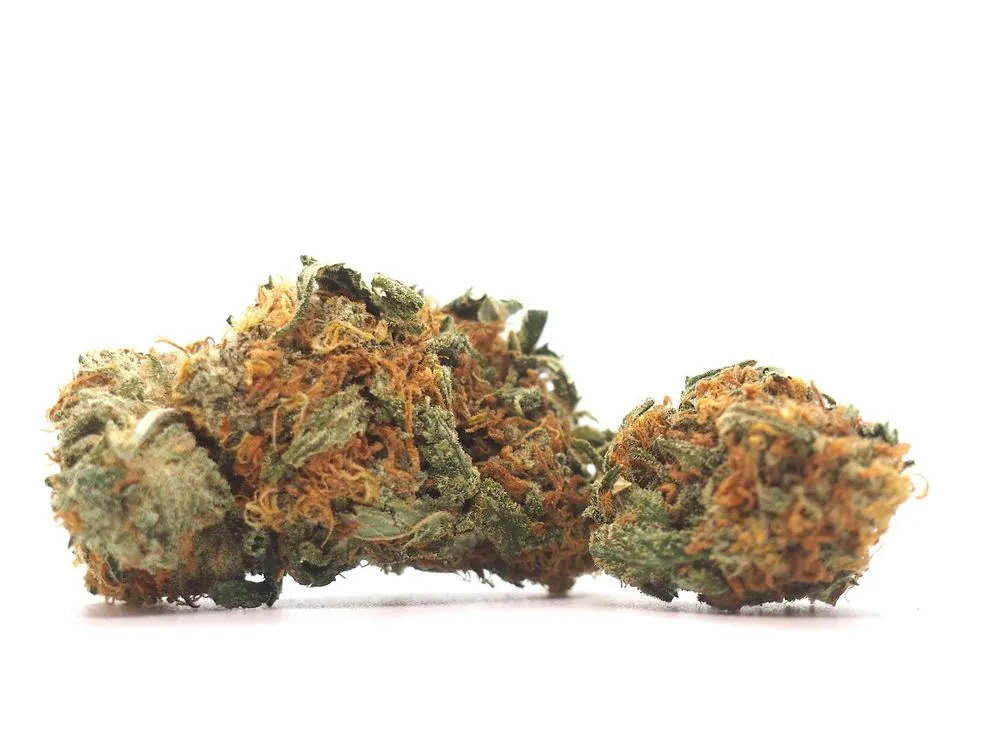
Cannabis flower is the dried flowering material of the plant. It is commonly described using strain names, aroma profiles and classifications such as indica, sativa and hybrid.
These labels are widely used, but they do not reliably predict how an individual will respond. Cannabinoid concentrations, terpene composition, personal sensitivity and other factors may be more relevant than a strain name alone.
Terpenes contribute to the plant’s aroma. Some familiar examples include:
- Myrcene: commonly associated with earthy and herbal aromas.
- Limonene: associated with citrus-like scents.
- Pinene: associated with pine-like aromas.
- Linalool: associated with floral and lavender-like scents.
- Caryophyllene: associated with peppery and spicy aromas.
Terpenes are interesting subjects of scientific investigation. However, claims that a particular terpene guarantees relaxation, energy, focus or pain relief should be treated cautiously. More human research is needed to establish many of these proposed effects.
3. Smoking cannabis: effects and health considerations
Smoking is one of the traditional ways cannabis flower is consumed. When cannabis is burned, its compounds enter the lungs in smoke and can be absorbed into the bloodstream.
Some people report short-term changes such as relaxation, altered sensory perception, increased appetite or changes in their perception of time. These effects are not universal. Others experience dizziness, anxiety, panic, confusion or an uncomfortable increase in heart rate.
There are important health considerations. Cannabis smoke contains irritants and harmful substances that can affect respiratory health. Regular smoking can contribute to coughing, mucus production and bronchitis symptoms. Cannabis use can also impair attention, coordination, reaction time and judgement.
It is therefore misleading to describe smoking cannabis as a healthy lifestyle practice or a proven treatment for disease.
4. Cannabis vaping: understanding devices and formulations
Vaping involves heating a substance to produce an aerosol rather than burning it in the same way as smoking. Cannabis-related devices and formulations can include dry-herb vaporizers, vape pens, cartridges and concentrated oils.
Although vaping is sometimes described as a cleaner alternative to smoking, it is not risk-free. Cannabis vape oils may contain highly concentrated THC, additives or contaminants. The long-term health effects of many inhaled cannabis formulations remain uncertain, and vaping has been associated with serious lung injury.
It is also important to distinguish between dry-herb vaporizers and oil cartridges. They are different devices designed for different materials. A product should never be used in a device unless its ingredients and compatibility are clearly established.
5. Edibles: why their effects can last longer
Cannabis edibles include gummies, chocolates, baked goods, capsules and infused drinks. Their effects differ from those of inhaled cannabis because the digestive system processes the cannabinoids.
The onset can be delayed, sometimes taking up to two hours or longer. Effects can also last longer than those associated with inhalation. This delay can make it difficult to judge the strength of the experience and increases the risk of consuming more than intended.
THC edibles can cause anxiety, confusion, dizziness, nausea, impaired coordination and other unwanted effects. Accidental ingestion is especially concerning for children and pets, so cannabis-infused products should always be stored securely and separately from ordinary food.
6. Hash, resin and cannabis concentrates
Cannabis concentrates are made by separating selected compounds and resin-rich material from the plant. They can vary considerably in appearance, texture, composition and potency.
Some commonly discussed formats include:
- Hash: a concentrated preparation made from resin-rich trichomes.
- Live resin: an extract produced from freshly harvested plant material that is preserved before extraction.
- Live resin sugar: a granular or crystalline concentrate texture.
- Badder: a soft, whipped concentrate consistency.
- Crumble: a dry, crumbly concentrate format.
- Shatter: a brittle, glass-like concentrate.
- Rosin: a concentrate produced through mechanical separation and pressing rather than conventional solvent extraction.
- Distillate: a highly refined extract containing concentrated cannabinoids.
These terms describe different preparation methods or textures. They do not establish purity, safety or medical effectiveness.
Concentrates can contain high levels of THC. Strong exposure may increase the likelihood of anxiety, panic, confusion and other adverse effects. Product testing and accurate ingredient information are important considerations when evaluating any concentrate.
7. CBD, CBG and CBN: exploring other cannabinoids
THC and CBD receive much of the attention, but researchers are also studying other cannabinoids.
CBD (cannabidiol) is non-intoxicating in the same way as THC. A purified prescription form of CBD has demonstrated benefits for seizures associated with certain rare epilepsy syndromes. That evidence does not mean all commercial CBD products have the same effects.
CBG (cannabigerol) is a minor cannabinoid that is being investigated for its biological properties. Much of the research remains preliminary.
CBN (cannabinol) can form as THC breaks down over time. It is often discussed in connection with sleep, but stronger clinical research is needed before firm conclusions can be made about its effects.
THC (tetrahydrocannabinol) is the principal intoxicating cannabinoid in cannabis. It can affect memory, attention, coordination and judgement.
The important point is that cannabinoids are not interchangeable. Each compound has its own characteristics, and research findings for one cannabinoid cannot automatically be applied to another.
8. What does medical research say about cannabis?
Cannabinoid research has developed considerably, but the strength of evidence differs between medical conditions. Some standardized cannabinoid medicines have demonstrated benefits for specific symptoms. Other proposed uses remain uncertain or are supported mainly by early research.
Certain forms of epilepsy
Purified prescription CBD has demonstrated effectiveness for seizures associated with specific rare epilepsy syndromes. This is one of the more established medical applications of a cannabinoid-based medicine.
Chemotherapy-related nausea and vomiting
Certain cannabinoid medicines have been used to help manage nausea and vomiting associated with cancer chemotherapy. Their use depends on the patient’s circumstances and clinical assessment.
Some types of chronic pain
Research suggests that particular cannabinoid medicines may provide modest relief for some forms of chronic pain, especially neuropathic pain. Results vary, and side effects can limit their usefulness.
Multiple sclerosis symptoms
Some cannabis-based medicines have been investigated for muscle stiffness and spasms associated with multiple sclerosis. Certain patients may experience improvements, although responses differ.
Appetite and other symptoms
Specific cannabinoid medicines have also been studied for appetite loss and weight loss in certain medical circumstances. Research into sleep, anxiety and other symptoms is continuing, but the evidence is not equally strong across these areas.
A crucial distinction: evidence supporting a standardized prescription medicine does not establish that recreational flower, vape cartridges, gummies, hash or concentrates can treat the same condition. Cannabis should not be described as a cure for cancer, epilepsy, chronic pain or mental health disorders. Anyone considering cannabinoid treatment should speak with a qualified healthcare professional.
9. Potential benefits and possible disadvantages
Discussions about cannabis often focus on its perceived benefits. A balanced understanding also considers the potential harms.
| Area | What research and experience suggest |
|---|---|
| Pain symptoms | Some cannabinoid medicines may provide modest relief for certain types of chronic pain. |
| Muscle spasticity | Selected cannabis-based medicines may help some people with multiple sclerosis symptoms. |
| Chemotherapy nausea | Certain cannabinoid medicines may help manage treatment-related nausea and vomiting. |
| Specific epilepsy syndromes | Purified prescription CBD is an established treatment option for certain rare syndromes. |
| Appetite | Some cannabinoid medicines have been studied for appetite and weight-related symptoms in particular conditions. |
| Memory and attention | THC can temporarily impair memory, concentration and decision-making. |
| Respiratory health | Smoking cannabis exposes the lungs to harmful substances. |
| Mental health | Cannabis can cause anxiety, panic or paranoia in some people, and frequent use may increase certain risks. |
The potential benefits are specific to particular products and medical circumstances. They should not be generalized to every cannabis formulation.
10. Important safety considerations
Cannabis can affect people differently. Its effects may depend on THC concentration, frequency of use, route of administration, individual sensitivity and interactions with other substances.
Some important considerations include:
- THC can impair driving, coordination and reaction time.
- Combining cannabis with alcohol or other impairing substances can increase impairment.
- Frequent use can lead to cannabis use disorder.
- High-potency products may increase the risk of adverse effects.
- Edibles can have delayed and prolonged effects.
- Cannabis use during pregnancy and breastfeeding can harm a baby’s development.
- Young people may be more vulnerable to the effects of cannabis on the developing brain.
- Cannabis may interact with prescription and non-prescription medicines.
Anyone who experiences severe confusion, panic, hallucinations, chest pain or another serious reaction should seek appropriate medical assistance.
11. Cannabis product terminology: a useful reference
Cannabis-related discussions use many terms. Understanding them helps readers distinguish between plant material, extracts and finished formulations.
| Term | General meaning |
|---|---|
| Cannabis flower | Dried flowering material from the cannabis plant |
| Shake | Smaller pieces of cannabis flower material |
| Pre-roll | Prepared rolled cannabis material |
| Hash | Concentrated resin-rich cannabis material |
| Hash oil | Oil-based cannabis extract |
| Live resin | Concentrate produced using freshly harvested, preserved plant material |
| Live rosin | Solventless concentrate made through mechanical processing |
| Wax | A general term for certain soft cannabis concentrates |
| Shatter | A brittle, glass-like concentrate |
| Badder | A soft, whipped concentrate |
| Crumble | A dry, crumbly concentrate |
| Distillate | A refined cannabinoid extract |
| Edible | Food or drink containing cannabis compounds |
| Vape cartridge | A container holding a formulation designed for a compatible vaporizing device |
| CBD oil | An oil formulation containing cannabidiol |
| Hemp product | A product made from hemp, with its composition depending on the material and processing |
Product names and descriptions should always be checked against ingredient information and independent testing where available. Terms such as premium, concentrated, live, organic or full-spectrum do not independently prove quality or effectiveness.
12. Common questions about cannabis
Is cannabis the same as marijuana?
The terms are often used to describe the same plant, although terminology varies by region and context. Cannabis is the botanical term commonly used in scientific and medical discussions.
Is CBD intoxicating?
CBD does not produce the same intoxicating effect as THC. However, it can cause side effects and interact with certain medicines.
Is vaping cannabis safe?
Vaping is not risk-free. Inhaled formulations may contain concentrated THC, additives or contaminants, and the long-term effects of many products are not fully understood.
Are edibles stronger than flower?
The experience is different rather than simply stronger or weaker. Edibles have a delayed onset and may produce prolonged effects, which can increase the risk of accidental overconsumption.
Does a high THC percentage mean better quality?
No. THC concentration is only one characteristic of a cannabis product. It does not establish purity, safety, aroma, overall quality or medical effectiveness.
Can cannabis help with sleep?
Some studies have investigated cannabinoids and sleep, but results vary according to the condition, product and formulation. Cannabis can also cause unwanted effects, and it should not be treated as a proven solution for every sleep problem.
Conclusion: a better-informed conversation about cannabis
Cannabis is a complex subject that brings together botany, chemistry, culture, consumer products and medical research. Flower, shake, edibles, vape formulations, hash and extracts each have different characteristics. Their effects and risks should be understood individually rather than grouped together under a single description.
Scientific research has identified potential medical applications for certain cannabinoid medicines, particularly in specific epilepsy syndromes, chemotherapy-related nausea and selected symptoms of other conditions. At the same time, cannabis use can affect memory, coordination, mental health and respiratory health, and high-potency products require particular caution.
The most useful cannabis information is balanced, transparent and evidence-based. By understanding cannabinoids, product terminology, research limitations and health considerations, readers can approach this subject with greater awareness and make more informed decisions.
