buy CBD oil online, buy concentrates online, buy live resin online, buy medical weed online, buy pre rolls online, Buy Weed Online, dispensary open late near me, Guide, Health, Innovation, order weed online, Style, top rated cannabis dispensaries, Uncategorized, Weed For Sale, Weed For Sale Online, weed store near me
Cannabis Flower, CBD Products, Hemp & Cannabis Extracts: Exploring the Modern World of Botanical Diversity
Nov
Cannabis Flower, CBD Products, Hemp & Cannabis Extracts: Exploring the Modern World of Botanical Diversity
Discover the Science, Culture and Diversity Behind Cannabis
Cannabis has a fascinating history that stretches across generations, cultures, and continents. Once primarily associated with traditional botanical practices, it has become the subject of growing scientific interest, agricultural innovation, and discussions about modern wellness.
Today, the cannabis industry encompasses a diverse range of products and botanical formats. These include cannabis flower, hemp flower, CBD products, concentrates, hashish, edibles, and cannabinoid extracts.
But what makes these products different? How are they produced? And why are cannabinoids receiving so much attention?
Let’s explore the fascinating world of cannabis and discover what makes this plant so diverse.
1. Cannabis Flower: Understanding Different Varieties
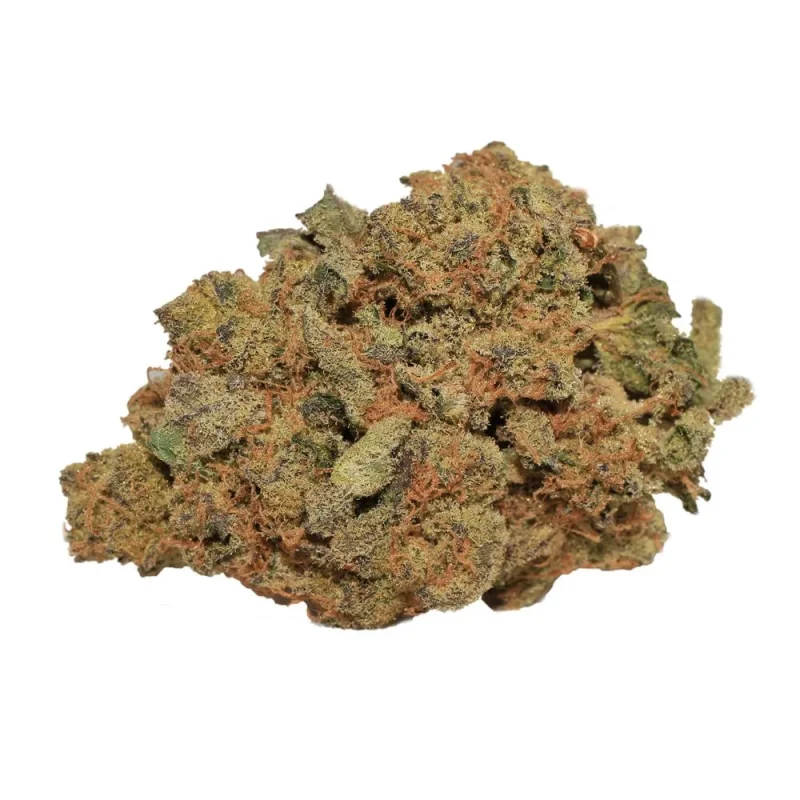
Cannabis flower is the flowering part of the cannabis plant. It contains naturally occurring cannabinoids, aromatic compounds, and terpenes.
Different varieties have distinct characteristics influenced by genetics, cultivation conditions, and processing methods.
Some recognised strain names include Amnesia Haze, Blue Dream, Bruce Banner, Bubba Kush, Cherry Pie, Critical Kush, and Ice Cream Cake.
Other familiar names include Fantasy Island, Frosted Truffles, Galactic Cookies, Grease Monkey, Bay Dream, and King Thunderfuck.
For additional botanical information, the cannabis flower category provides an overview of different flower listings.
2. CBD and Hemp: What Makes Them Different?
Hemp and marijuana belong to the Cannabis sativa plant family, although they are commonly distinguished by their chemical composition and applicable legal definitions.
CBD, also known as cannabidiol, is one of the best-known non-intoxicating cannabinoids. Unlike THC, CBD does not typically produce the characteristic intoxicating effects associated with cannabis.
Other cannabinoids attracting scientific interest include:
- CBG (cannabigerol).
- CBN (cannabinol).
- CBC (cannabichromene).
- THC (tetrahydrocannabinol).
CBD oils, hemp extracts, CBD capsules, hemp cosmetics, and CBD isolate are examples of different product formats.
However, product composition and legal requirements vary. Laboratory testing and accurate ingredient information are important when evaluating hemp-derived products.
3. Cannabis Concentrates: The Science of Extraction
Cannabis concentrates are produced by separating selected compounds from cannabis plant material.
Different extraction and processing techniques produce different textures and compositions.
Some commonly discussed concentrate types include:
- Live resin.
- Badder.
- Crumble.
- Hash rosin.
- Distillate.
- Live resin sugar.
- Hash oil.
These products can differ significantly in cannabinoid concentration, terpene content, and production methods.
For further educational reading, see the cannabis extracts category.
4. Hashish and Traditional Cannabis Culture
Hashish has a long history in different parts of the world. Traditionally, it is made by collecting and processing resin glands from cannabis flowers.
Modern terminology includes dry sift, traditional hash, resin, and rosin. Although these products are sometimes grouped together, their manufacturing processes and chemical characteristics can differ.
Understanding these distinctions helps explain the evolution of cannabis processing and botanical product development.
Explore the terminology through the hash and hashish category.
5. Edibles, Vape Products and Other Cannabis Formats
Cannabis products are available in several formats, each with different characteristics.
Edibles: These include gummies, chocolates, and capsules. Oral THC products can have delayed effects and require particular care with serving information and safe storage.
Vaporizer products: These include different cartridge, pod, and disposable-device formats. Ingredients, device specifications, and product testing are important considerations.
Shake: This refers to smaller pieces of flower material collected during handling.
E-liquids: These are liquid formulations whose ingredients and intended applications should be clearly documented.
Learn more about the different product classifications through these category references:
6. Cannabis Research Across Europe and Australia
Cannabis research and regulation continue to develop internationally.
Across Europe, countries including Germany, France, Italy, Spain, Portugal, the Netherlands, Belgium, Austria, Switzerland, and the United Kingdom have different approaches to cannabis and cannabinoid products.
In Australia, medicinal cannabis is regulated through specific healthcare and Therapeutic Goods Administration pathways.
Regional discussions frequently involve Sydney, Melbourne, Brisbane, Perth, Adelaide, Hobart, Canberra, and Darwin.
For accurate information, consult the European Union Drugs Agency and the Australian Therapeutic Goods Administration.
Frequently Asked Questions About Cannabis and Hemp
1. What is the difference between CBD and THC?
CBD and THC are different cannabinoids found in cannabis plants. THC is intoxicating, while CBD does not typically produce the same intoxicating effects.
2. What are cannabis terpenes?
Terpenes are naturally occurring aromatic compounds found in many plants, including cannabis. They contribute to distinctive aromas and flavours.
3. What is the difference between cannabis flower and shake?
Cannabis flower refers to the flowering material, while shake generally describes smaller pieces of flower and plant material.
4. What is live resin?
Live resin is a cannabis concentrate generally produced using freshly harvested, frozen plant material to preserve certain aromatic compounds.
5. What is hashish?
Hashish is a concentrated cannabis product traditionally produced by collecting and processing resin glands.
6. Are CBD products legal throughout Europe?
No single rule applies to every CBD product in every European country. Requirements depend on ingredients, THC content, product classification, and national regulations.
7. Is medicinal cannabis available in Australia?
Medicinal cannabis may be accessed through applicable Australian healthcare and regulatory pathways. Eligibility and prescription requirements depend on individual circumstances.
8. Why is laboratory testing important?
Independent laboratory testing can provide information about cannabinoid concentrations, contaminants, pesticides, heavy metals, and residual solvents.
9. Are cannabis edibles different from inhaled products?
Yes. Edibles are consumed orally and may take considerably longer to produce noticeable effects than inhaled products.
10. What should consumers know about cannabis products?
Consumers should understand product ingredients, cannabinoid concentrations, potential risks, laboratory documentation, and the laws applicable to their location.
Final Thoughts: Understanding the Changing World of Cannabis
Cannabis is more than a single product or botanical category. It represents a diverse field involving plant science, agricultural practices, chemistry, traditional culture, and evolving research.
From cannabis flower and hemp-derived CBD to hashish, concentrates, edibles, and other cannabinoid formulations, understanding the differences is essential to making informed decisions.
As research develops and regulations evolve, accurate information, responsible education, and product transparency remain central to understanding the modern cannabis landscape.
Explore the science, discover the terminology, and stay informed about the changing world of cannabis and hemp.
Educational content only. Not medical advice or an endorsement of cannabis use. Products are subject to applicable local laws and age restrictions.
