buy CBD oil online, buy concentrates online, buy live resin online, buy medical weed online, buy pre rolls online, Buy Weed Online, dispensary open late near me, Guide, Health, Innovation, order weed online, Style, top rated cannabis dispensaries, Uncategorized, Weed For Sale, Weed For Sale Online, weed store near me
Cannabis Health Benefits in 2026: The Science of Cannabinoids, Natural Wellness Research and Premium Cannabis Products
Nov
Cannabis Health Benefits in 2026: The Science of Cannabinoids, Natural Wellness Research and Premium Cannabis Products
Discover the latest cannabis research, understand the potential health benefits of cannabinoids, explore CBD and THC product categories, and learn how modern cannabis science is changing conversations about wellness in 2026.
Cannabis research is entering an important new chapter. Across universities, medical institutions, pharmaceutical research centers, and public-health organizations, scientists are continuing to investigate how cannabinoids interact with the human body.
From the endocannabinoid system and neurological health to chronic pain research and the management of treatment-related nausea, cannabis has become an important subject in modern medical discussions.
However, there is a difference between scientific potential and proven medical treatment. Some cannabinoid-based medicines have established clinical applications, while many popular claims about cannabis remain unproven.
At 420 Green Haven, our cannabis information and product directory brings together different product categories, including cannabis flower, CBD and hemp-related products, concentrates, hash, edibles, and vape products.
Whether you are researching cannabinoid science, comparing cannabis product categories, or exploring the changing cannabis marketplace, understanding the evidence is an important first step.
1. Understanding the Endocannabinoid System: Why Cannabis Research Matters in 2026
One of the most interesting areas of cannabis science is the endocannabinoid system (ECS).
The ECS is a complex biological signaling network involved in several physiological processes. These include:
- Appetite and energy balance.
- Pain signaling.
- Mood and emotional regulation.
- Memory and learning.
- Sleep-related processes.
- Immune system signaling.
- Neurological activity.
The system contains cannabinoid receptors, naturally produced endocannabinoids, and enzymes responsible for producing and breaking down these compounds.
Two important receptors are CB1 and CB2.
CB1 receptors are particularly abundant in the central nervous system, while CB2 receptors are commonly associated with immune-system activity and other tissues.
Cannabis contains naturally occurring compounds called cannabinoids. Two of the best-known are:
THC (tetrahydrocannabinol): A psychoactive cannabinoid responsible for much of the intoxicating effect associated with cannabis.
CBD (cannabidiol): A non-intoxicating cannabinoid that is being investigated for several potential therapeutic applications.
Researchers are also studying CBG, CBN, CBC, and other minor cannabinoids.
Understanding these compounds helps explain why cannabis is not a single uniform substance. Different formulations, cannabinoid concentrations, administration methods, and individual characteristics can produce different effects.
2. Cannabis and Chronic Pain: What Does Medical Research Actually Show?
Chronic pain is among the most frequently investigated potential medical applications of cannabinoids.
Some clinical studies suggest that certain cannabinoid-based medicines may provide modest improvements in selected types of chronic pain, particularly neuropathic pain.
However, the results are not identical across all products or patients.
The 2026 JAMA review of therapeutic cannabis and cannabinoids highlights an important distinction: evidence remains insufficient for most medical indications, and benefits must be weighed against potential adverse effects.
Researchers continue investigating:
- Neuropathic pain.
- Pain associated with multiple sclerosis.
- Cancer-related symptoms.
- Inflammatory processes.
- Pain-related sleep disruption.
Cannabinoid medicines should not automatically be considered replacements for established pain treatments.
People experiencing persistent pain should consult qualified healthcare professionals before considering cannabinoid-based treatment.
3. Cannabis and Neurological Health: The Growing Importance of CBD Research
Cannabidiol has attracted significant scientific attention because of its potential applications in neurological medicine.
One of the strongest established examples is prescription cannabidiol for certain rare seizure disorders.
In the United States, the FDA has approved Epidiolex, a purified CBD prescription medicine, for seizures associated with Lennox-Gastaut syndrome, Dravet syndrome, and tuberous sclerosis complex.
This is an important scientific development, but it does not mean that ordinary CBD oils, hemp flowers, gummies, or cannabis extracts have the same effects.
Researchers are also investigating cannabinoids in relation to:
- Neurological inflammation.
- Multiple sclerosis symptoms.
- Seizure activity.
- Neurotransmitter signaling.
- Brain health and neuroprotection.
Many of these research areas remain under investigation.
The distinction between prescription cannabinoid medicines and ordinary retail cannabis products is essential when discussing potential health benefits.
4. Cannabis and Chemotherapy-Related Nausea
Another established area of cannabinoid medicine involves nausea and vomiting associated with chemotherapy.
Certain prescription cannabinoid medicines, including dronabinol and nabilone, have approved medical applications for chemotherapy-related nausea and vomiting in the United States.
This does not mean cannabis cures cancer or that ordinary THC edibles are equivalent to prescription medication.
Rather, it demonstrates how individual cannabinoids can have specific medical applications when formulated, tested, and administered under appropriate medical supervision.
Cancer treatment is complex. Patients should discuss symptom-management options with their oncology teams.
5. Cannabis, Sleep and Relaxation: Separating Popular Claims from Evidence
Sleep is one of the most frequently mentioned reasons people explore cannabis and cannabinoid products.
Scientists are studying whether cannabinoids influence sleep-related signaling, sleep quality, and symptoms associated with certain medical conditions.
However, the evidence is not strong enough to describe cannabis or CBD as a proven general treatment for insomnia.
THC can cause drowsiness, but it can also affect memory, coordination, attention, and normal cognitive functioning. Regular use may create additional complications, including dependence and withdrawal-related sleep disruption.
CBD is also not a universally established sleep treatment.
Anyone experiencing persistent sleep difficulties should investigate underlying causes and discuss evidence-based treatment options with a healthcare professional.
6. CBD, CBG, CBN and THC: Understanding the Differences
The cannabis marketplace includes many cannabinoids, each with different chemical properties and research profiles.
CBD: A non-intoxicating cannabinoid studied for neurological conditions, pain-related applications, and other potential therapeutic uses.
CBG: A minor cannabinoid receiving scientific attention for its possible interactions with inflammatory and neurological pathways.
CBN: A cannabinoid being investigated for several biological effects, including possible sleep-related applications. Strong clinical evidence for treating insomnia remains limited.
THC: The primary intoxicating cannabinoid in many cannabis products. Certain THC-based prescription medicines have established medical applications.
CBC: Another naturally occurring cannabinoid under investigation for its biological properties.
An important consideration is that laboratory findings do not automatically translate into proven human health benefits.
For consumers, independent testing, ingredient transparency, cannabinoid concentration, and accurate product labeling are important considerations.
7. Cannabis Product Categories: Understanding the Modern Marketplace
The cannabis marketplace has expanded considerably, with products available in several different formats.
Understanding these formats makes it easier to compare product characteristics without confusing product descriptions with medical evidence.
Cannabis Flower
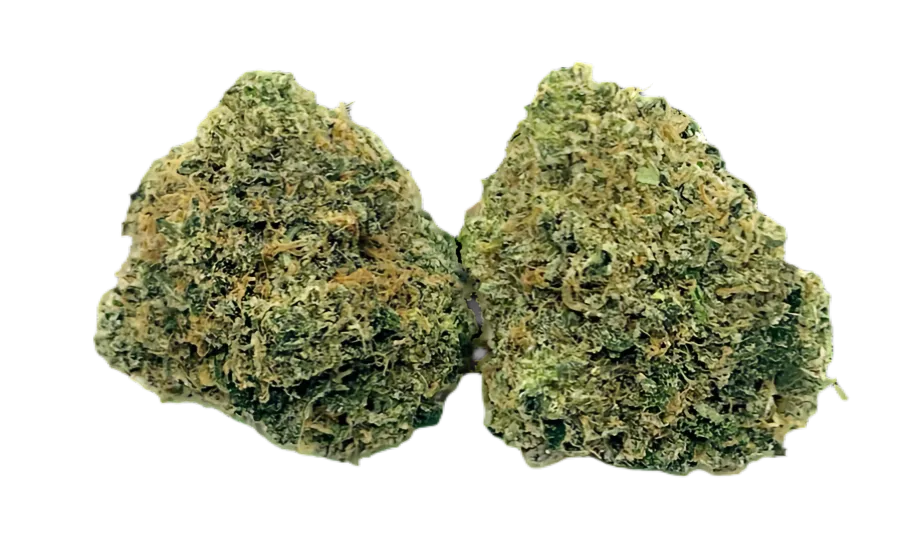
Cannabis flower is the dried flowering material of the cannabis plant.
Different varieties can have different cannabinoid concentrations, terpene profiles, aromas, and physical characteristics.
Explore the 420 Green Haven cannabis flower and weed category.
The product directory includes:
- Amnesia Haze
- Bay Dream
- Bruce Banner
- Bubba Kush
- Cherry Pie
- Critical Kush
- Fantasy Island
- Frosted Truffles
- Galactic Cookies
- Grease Monkey
- Ice Cream Cake
- King Thunderfuck
Cannabis Shake
Cannabis shake generally consists of smaller fragments of cannabis flower that collect during handling and packaging.
Its composition and quality depend on the source material and production practices.
Explore the 420 Green Haven shake collection.
Available catalog listings include:
THC Vape Products
Cannabis vape products contain cannabinoid formulations designed for vaporization.
Product composition, potency, ingredients, and manufacturing quality can vary considerably.
Unregulated vape products can present serious health risks. Consumers should avoid products with unknown ingredients, unverified sources, or misleading laboratory claims.
Explore the THC vape product directory.
The directory also includes additional listings:
E-Liquids
Cannabis-related e-liquid products require particular attention to ingredients, intended use, and product safety.
Not all products marketed as vape liquids are suitable for inhalation. Consumers should never assume that an oil or liquid is safe to vaporize simply because it is marketed as a cannabis product.
Explore the 420 Green Haven e-liquids category.
Cannabis Edibles
Edibles are products containing cannabinoids that are consumed orally.
Their effects can take considerably longer to develop than inhaled cannabis effects. This delayed onset can increase the risk of accidental overconsumption.
Explore the edibles collection.
The catalog includes:
- Fruit Bites 1000mg THC Gummies
- Mango Premium DANK Gummies
- Orange Premium DANK Gummies
- Pro Infused 1000mg Capsules
- Pro Infused 500mg Capsules
- Watermelon Premium DANK Gummies
- Wonka Chocolate 1000mg THC
High-potency edibles require particular caution. Keep cannabinoid products away from children and pets.
Cannabis Hash
Hash is a concentrated cannabis product produced from collected resin glands.
Different production methods can influence texture, appearance, cannabinoid concentrations, and terpene composition.
Explore the 420 Green Haven hash collection.
Featured catalog listings include:
- Cereal Milk Hash
- Dark Rhino Hash
- Honey Hashish
- Ice Cream Cake Hash 5g
- Peanut Butter Bananas
- Top Dray Hash
Cannabis Concentrates and Extracts
Cannabis concentrates are produced by separating or concentrating compounds from cannabis material.
Their cannabinoid content can be substantially higher than that of ordinary flower.
Explore the 420 Green Haven extracts collection.
Product listings include:
- Biscotti Badder
- Crumble
- Delta-9 THC Distillate
- Live Resin Badder
- Live Resin Sugar
- Rainbow Belts Hash Rosin by Wonderbrett
- Rick Simpson Oil (RSO) 1G
8. What Makes a Cannabis Product Worth Investigating?
The expanding cannabis marketplace makes product transparency increasingly important.
Before purchasing or considering a cannabis product, consumers should investigate several factors.
Independent laboratory testing: Look for credible certificates of analysis that identify cannabinoid concentrations and screen for contaminants.
Ingredient transparency: Product labels should identify ingredients, cannabinoid content, and relevant warnings.
Manufacturing quality: Reliable manufacturing and appropriate quality-control procedures are important.
Accurate potency information: THC and CBD concentrations should be clearly stated.
Product-specific safety: Inhalable products, oral products, topical preparations, and concentrates have different safety considerations.
Legal compliance: Cannabis laws differ considerably between countries, states, and territories. A product permitted in one jurisdiction may be restricted in another.
9. European CBD and Hemp Markets: Country-Specific Research Matters
Europe is an important market for hemp-derived products, CBD research, and cannabis-related consumer information.
However, European countries do not share one universal cannabis regulatory system.
For example, the rules governing CBD oils, hemp flowers, THC products, medical cannabis, food supplements, and cannabinoid extracts can differ considerably.
Country-specific research is essential before purchasing, selling, importing, or transporting any cannabinoid product.
Consumers researching CBD and hemp markets may encounter searches such as:
- CBD products for sale in Albania.
- Buy CBD oil in Andorra.
- CBD online shop in Armenia.
- CBD product deals in Austria.
- Hemp products for sale in Belgium.
- CBD wholesale suppliers in Bulgaria.
- CBD oil in Croatia.
- CBD products in Cyprus.
- CBD online shop in Czechia.
- Hemp products in Denmark.
- CBD oil in Estonia.
- CBD products in Finland.
- CBD online shop in France.
- CBD wholesale suppliers in Germany.
- CBD products in Greece.
- CBD oil in Hungary.
- CBD products in Iceland.
- CBD online shop in Ireland.
- CBD oil in Italy.
- Hemp products in Kosovo.
- CBD products in Latvia.
- CBD oil in Liechtenstein.
- CBD products in Lithuania.
- CBD online shop in Luxembourg.
- CBD products in Malta.
- Hemp products in Moldova.
- CBD oil in Monaco.
- CBD products in Montenegro.
- CBD online shop in the Netherlands.
- CBD products in North Macedonia.
- CBD oil in Norway.
- CBD products in Poland.
- CBD online shop in Portugal.
- CBD products in Romania.
- CBD oil in Russia.
- Hemp products in San Marino.
- CBD products in Serbia.
- CBD oil in Slovakia.
- CBD online shop in Slovenia.
- CBD products in Spain.
- CBD oil in Sweden.
- CBD products in Switzerland.
- CBD online shop in Turkey.
- CBD products in Ukraine.
- CBD oil in the United Kingdom.
- Hemp products in Vatican City.
These are research and geographic search terms, not representations that every product can legally be marketed, purchased, or delivered in each country.
10. Australia and the Changing Medical Cannabis Conversation
Australia has also developed a significant medical cannabis research and regulatory landscape.
Medical cannabis access is subject to specific Australian regulatory requirements, including applicable prescribing and supply arrangements.
Consumers should distinguish between regulated medical cannabis and general retail hemp products.
Relevant geographic research terms include:
- Medical cannabis clinic Australia.
- Medical cannabis pharmacy online Australia.
- Medical cannabis information Sydney.
- Medical cannabis research Melbourne.
- Medical cannabis regulations Brisbane.
- Medical cannabis healthcare Perth.
- Medical cannabis information Adelaide.
- Medical cannabis Gold Coast.
- Medical cannabis research New South Wales.
- Medical cannabis regulations Victoria.
- Medical cannabis information Queensland.
- Medical cannabis healthcare Western Australia.
- Medical cannabis research South Australia.
- Medical cannabis information Tasmania.
- Medical cannabis regulations Northern Territory.
- Medical cannabis information Canberra.
For Australian consumers, a qualified medical practitioner and official regulatory guidance are the appropriate sources for determining eligibility and treatment options.
11. Cannabis Research and News: 30 Sources Worth Following in 2026
The best way to understand cannabis health developments is to follow established medical publications, scientific organizations, and newsrooms.
The following sources provide useful starting points for cannabis research, public-health reporting, cannabinoid science, and medical developments.
News organizations and science journalism
- Reuters — International reporting on cannabis policy, research, and the pharmaceutical industry.
- Associated Press — Public-health and cannabis industry reporting.
- BBC News — International health and cannabis coverage.
- The Guardian — Cannabis policy, medical research, and public-health reporting.
- CNN — Health and medical research coverage.
- NBC News — Science, health, and cannabis-related reporting.
- CBS News — Medical and public-health developments.
- ABC News — Health reporting and medical developments.
- NPR — Science, medicine, and cannabis policy coverage.
- The New York Times — Cannabis research and public-health journalism.
- The Washington Post — Cannabis policy and health reporting.
- TIME — Health science and medical developments.
- Newsweek — Cannabis and medical research coverage.
- Forbes — Cannabis business, research, and industry reporting.
- The Independent — Health and cannabis-related news.
- CBC News — Canadian cannabis and medical coverage.
- CTV News — Canadian public-health and cannabis reporting.
- Al Jazeera — International health and policy reporting.
- The Conversation — Research-informed analysis from academics.
- STAT — Medical research, biotechnology, and pharmaceutical reporting.
Medical and scientific publications
- JAMA — Peer-reviewed medical research, including its 2026 therapeutic cannabis review.
- The BMJ — Clinical evidence and medical research.
- Nature — Scientific research and cannabinoid-related studies.
- Science — Scientific developments and biomedical research.
- ScienceDaily — Research announcements and scientific discoveries.
- Medical News Today — Health research and cannabinoid information.
- Healthline — Consumer health education.
- WebMD — Medical information and treatment research.
- Mayo Clinic — Clinical health information.
- Cleveland Clinic — Medical education and health research.
Editorial note: These are established publication and newsroom websites, not 30 individually verified cannabis-benefit articles. Use their site search functions to locate specific reporting, and cite individual studies or articles when making medical claims.
12. The Future of Cannabis Research: What Could Change Next?
Cannabis science is developing across several important research areas.
More precise cannabinoid formulations
Researchers are investigating how isolated cannabinoids, combinations of cannabinoids, and standardized pharmaceutical preparations may differ in their effects.
Better clinical trials
Larger, well-designed clinical studies could help determine which formulations are effective for particular symptoms and patient populations.
Improved product testing
Better analytical testing may improve the accuracy of cannabinoid labeling and the detection of contaminants.
Personalized medicine
Individual differences in metabolism, medical history, medications, and cannabinoid sensitivity may become increasingly important in clinical research.
Stronger public-health information
Clearer communication about potential benefits, adverse effects, product potency, and dependence risks can help people make better-informed decisions.
The future of cannabis research should be based on reproducible clinical evidence rather than marketing claims.
13. Frequently Asked Questions About Cannabis Health Benefits
What are the potential health benefits of cannabis?
Certain cannabinoid-based medicines have established applications involving specific seizure disorders, chemotherapy-related nausea and vomiting, and other selected conditions. Research also suggests possible modest benefits for certain types of chronic pain and multiple sclerosis symptoms. Evidence varies by formulation and condition.
Is CBD the same as THC?
No. CBD is generally non-intoxicating, while THC is psychoactive and can cause intoxication. They interact differently with biological systems and have different safety considerations.
Does cannabis cure cancer?
No. There is no established evidence that cannabis cures cancer. Certain prescription cannabinoid medicines can help manage selected treatment-related symptoms, such as chemotherapy-induced nausea.
Can CBD treat insomnia?
CBD is being investigated for sleep-related applications, but strong clinical evidence supporting CBD as a general insomnia treatment remains insufficient.
What is the difference between hemp flower and THC-rich cannabis flower?
Hemp and cannabis terminology can vary between legal systems. In the United States, the federal hemp definition has historically used a delta-9 THC threshold of 0.3% on a dry-weight basis, subject to applicable statutory changes and regulations. Other jurisdictions use different definitions and restrictions.
Are cannabis products legal throughout Europe?
No. Regulations vary between countries and between product types. CBD, hemp flower, medical cannabis, THC concentrates, and edible cannabinoid products may be treated differently.
Where can readers explore cannabis product categories?
Readers can browse the 420 Green Haven product directory, including flower, shake, vape products, e-liquids, edibles, hash, and extracts. Product availability and eligibility are subject to applicable laws and age restrictions.
Conclusion: Cannabis Science Is Advancing, but Evidence Still Matters
Cannabis research in 2026 offers important opportunities to better understand cannabinoids, the endocannabinoid system, and their possible applications in medicine.
From prescription CBD for specific seizure disorders to cannabinoid medicines for chemotherapy-related nausea, scientific findings demonstrate that certain cannabis-derived compounds can have legitimate medical applications.
At the same time, evidence remains insufficient for many popular wellness claims. Product potency, ingredient quality, individual health factors, and local regulations all matter.
420 Green Haven brings together a broad cannabis product directory and an opportunity for readers to explore different product categories while learning more about cannabinoid science.
Explore the 420 Green Haven cannabis product directory, review the available categories, and make informed decisions based on product information, independent testing, applicable regulations, and professional medical guidance.
Health disclaimer: This article is for educational purposes only and is not medical advice. Cannabis and cannabinoid products can cause adverse effects and interact with medications. No retail product featured in this directory should be assumed to be an approved medical treatment. Only adults who meet the applicable legal requirements should consider legally available products. Never drive or operate machinery while impaired.
