Uncategorized
Cannabis Health, Botanical Wellness & Responsible Product Guide 2026: Cannabinoid Research, Flower, Extracts, Edibles and 420 Green Haven
Nov
Cannabis Health, Botanical Wellness & Responsible Product Guide 2026: Cannabinoid Research, Flower, Extracts, Edibles and 420 Green Haven
A 2026 educational and product-discovery feature by 420 Green Haven
Cannabis has become one of the most discussed botanical subjects in modern health research. From the growing scientific interest in cannabidiol (CBD) to the therapeutic applications of selected cannabinoid medicines, researchers are examining how compounds from the cannabis plant interact with the human body.
At the same time, consumers are becoming more interested in product transparency, cannabinoid profiles, terpene composition, manufacturing standards, and responsible consumption.
But there is an important question behind all this interest: how much do we actually know about cannabis and its effects on human health?
In this 2026 guide, we explore the science behind cannabinoids, the potential medical applications being investigated, the differences between cannabis product formats, and important safety considerations. We also introduce the 420 Green Haven product directory, covering flower, shake, vape products, edibles, hash, and concentrated extracts.
Whether someone is researching the endocannabinoid system, comparing botanical formulations, looking for information about a dispensed product list, or learning how cannabis regulations differ between countries, reliable information should always come first.
1. The New Era of Cannabis Science: What Researchers Are Discovering in 2026
Cannabis is a chemically complex plant. Its flowers, leaves, and resin contain numerous naturally occurring substances, including cannabinoids, terpenes, and flavonoids.
These compounds have attracted interest because they interact with different biological systems.
Two particularly well-known cannabinoids are CBD and THC.
Cannabidiol (CBD) does not produce the intoxicating effects associated with THC. Researchers are investigating its potential applications in neurological conditions, inflammation-related pathways, and other areas of medicine.
Delta-9-tetrahydrocannabinol (THC) is the primary intoxicating cannabinoid in cannabis. It affects brain signaling and can change perception, memory, coordination, and mood.
Other cannabinoids, including CBG and CBN, are also being investigated.
However, scientific interest should not be confused with established medical benefits. A compound demonstrating biological activity in a laboratory does not automatically become an effective treatment for people.
1.1 Cannabis and the endocannabinoid system
One of the most interesting developments in cannabinoid science is the investigation of the endocannabinoid system.
This biological signaling network includes cannabinoid receptors, naturally produced endocannabinoids, and enzymes responsible for regulating their activity.
The system participates in processes associated with:
- Pain signaling and perception.
- Appetite and energy balance.
- Memory and learning.
- Immune system signaling.
- Sleep and circadian rhythms.
- Nervous system activity.
- Gastrointestinal function.
Scientists are studying how cannabinoid compounds interact with this system and whether particular formulations could have therapeutic applications.
For consumers, understanding this biology is more valuable than relying on generalized claims that every cannabis product produces the same wellness effects.
1.2 CBD research and neurological health
One of the strongest examples of cannabinoid-based medical development is prescription cannabidiol.
The FDA has approved Epidiolex, a purified CBD medicine, for specific seizure disorders, including Lennox-Gastaut syndrome, Dravet syndrome, and tuberous sclerosis complex.
This is an important scientific milestone because its approval followed controlled clinical research and regulatory assessment.
It does not mean that ordinary CBD oils, gummies, hemp flowers, or commercial cannabis extracts have the same effectiveness.
The formulation, concentration, quality controls, and clinical evidence are different.
1.3 Cannabis and chronic pain research
Chronic pain remains an important area of cannabinoid research.
Scientists are investigating whether selected cannabinoid medicines can influence pain perception and improve certain symptoms.
Some evidence suggests modest benefits for particular chronic pain conditions. Nevertheless, results differ between formulations, and adverse effects can include dizziness, impaired attention, nausea, and drowsiness.
The distinction between prescription medicines and retail cannabis products is essential.
A commercial product should never be presented as a substitute for a medical assessment.
1.4 Cannabis and sleep: What does the evidence say?
Sleep research has become another important part of the cannabinoid discussion.
CBD, THC, and other cannabinoids are being studied for their potential effects on sleep-related biological pathways.
However, a Cochrane review published on October 13, 2026, found that medical cannabis may provide little or no meaningful improvement in several important insomnia outcomes. The review also identified uncertainty and possible unwanted effects.
This means cannabis should not automatically be described as a proven sleep treatment.
People experiencing persistent sleep problems should discuss evidence-based options with a qualified healthcare professional.
1.5 Cannabis, anxiety, and mental health
Cannabis and mental health require particularly careful discussion.
Although some people report feeling relaxed after cannabis exposure, THC can also increase anxiety, panic, confusion, or paranoia.
A 2026 systematic review of cannabinoid treatments for mental health and substance-use disorders found limited evidence for most applications and identified an increased risk of unwanted adverse events.
High-THC products are particularly important to approach cautiously because stronger intoxicating effects can increase the likelihood of unpleasant experiences.
The best approach is to distinguish personal experiences from clinical evidence.
2. Understanding the Potential Health Applications of Cannabinoids
The term cannabis health benefits covers several different scientific questions. Some cannabinoid-based medicines have established medical applications, while other potential uses remain experimental.
The following areas deserve attention.
Neurological conditions
Purified prescription CBD has an established role in treating certain rare epilepsy syndromes. Researchers continue to investigate other neurological applications.
Certain types of chronic pain
Some cannabinoid medicines may offer modest benefits for selected patients. However, the quality of evidence varies, and treatment decisions require medical supervision.
Chemotherapy-related nausea
Certain regulated cannabinoid medicines have approved medical applications involving chemotherapy-related nausea and vomiting. These medicines are not interchangeable with unregulated commercial cannabis products.
Inflammation-related research
CBD and other cannabinoids are being studied for interactions with biological pathways involved in inflammation. Laboratory findings should not be treated as proof that retail CBD products can treat inflammatory diseases.
Muscle spasticity
Specific cannabinoid medicines have been investigated for muscle spasticity associated with neurological conditions. Their suitability depends on the medicine, patient, and medical circumstances.
An important distinction
Cannabis should not be advertised as a cure for cancer, depression, anxiety, epilepsy, or chronic disease. Cannabis oil marketed for cancer treatment, including searches such as “cannabis oil cancer for sale,” should never be confused with proven cancer therapy.
People receiving cancer treatment should speak with their oncology team before using cannabis or CBD because interactions with other medicines are possible.
3. Responsible Cannabis Consumption: Health, Awareness and Risk Reduction
Understanding consumption risks is just as important as understanding the potential applications of cannabinoids.
There is no completely risk-free way to consume intoxicating cannabis.
The most responsible approach is to understand the differences between product formats, avoid excessive exposure, and recognize when professional medical advice is necessary.
3.1 Smoking cannabis and respiratory health
Cannabis smoke contains harmful combustion products. Smoking can irritate the respiratory system and expose users to substances that are also present in tobacco smoke.
For this reason, avoiding combustion is an important respiratory-health consideration.
People researching cannabis smoking tips should understand that changing smoking techniques does not make smoking harmless.
Important precautions include:
- Avoid mixing cannabis with tobacco.
- Do not inhale deeply or deliberately hold smoke in the lungs.
- Avoid sharing smoking equipment.
- Do not use cannabis if it causes breathing difficulties.
- Avoid combining cannabis with alcohol or other intoxicating substances.
- Never drive or operate machinery while impaired.
- Keep cannabis products away from children and pets.
3.2 Vaporization and concentrated products
Cannabis vaporization is sometimes discussed as an alternative to smoking. However, it is not risk-free.
Vape liquids and concentrates may contain highly concentrated THC, additives, or contaminants. Unregulated products can present additional risks.
A product description should provide clear information about:
- Cannabinoid composition.
- Ingredient transparency.
- Laboratory testing.
- Device compatibility.
- Contaminant screening.
- Appropriate storage.
- Relevant safety warnings.
A high-potency label does not establish quality or safety.
3.3 Edibles and delayed effects
Edibles differ from inhaled cannabis because orally consumed THC undergoes metabolism in the digestive system and liver.
Effects may take significantly longer to become noticeable and may last longer.
This creates a risk of accidental overconsumption when someone assumes an edible has not worked and consumes more.
Responsible precautions include:
- Read the full product label.
- Understand the total THC content and serving information.
- Never assume that a large package contains one serving.
- Keep products in child-resistant, clearly labeled packaging.
- Never leave infused foods where children or pets can access them.
- Avoid combining edibles with alcohol.
- Do not drive while impaired.
3.4 Oils, tinctures and topical formulations
Cannabis oils, tinctures, and topical products are not all the same.
Their ingredients, cannabinoid concentrations, intended uses, and routes of administration can differ.
A topical preparation should not automatically be treated like an oral product. Similarly, a vape liquid should not be assumed to be suitable for swallowing.
Consumers should follow the product’s verified labeling and seek professional guidance where necessary.
3.5 Who should avoid cannabis?
THC-containing cannabis can be particularly risky for:
- Adolescents and young adults.
- Pregnant or breastfeeding individuals.
- People with a personal or family history of psychosis.
- People vulnerable to substance-use disorders.
- Individuals taking medicines that may interact with cannabinoids.
- People who must drive or operate machinery.
People with underlying medical conditions should consult an appropriate healthcare professional before considering cannabinoid products.
4. Exploring the 420 Green Haven Product Directory
420 Green Haven provides a product directory organized around different cannabis and botanical product formats.
The following sections introduce the supplied catalog without making unsupported claims about therapeutic effects, product quality, or destination-specific availability.
4.1 Cannabis flower: Understanding strain characteristics
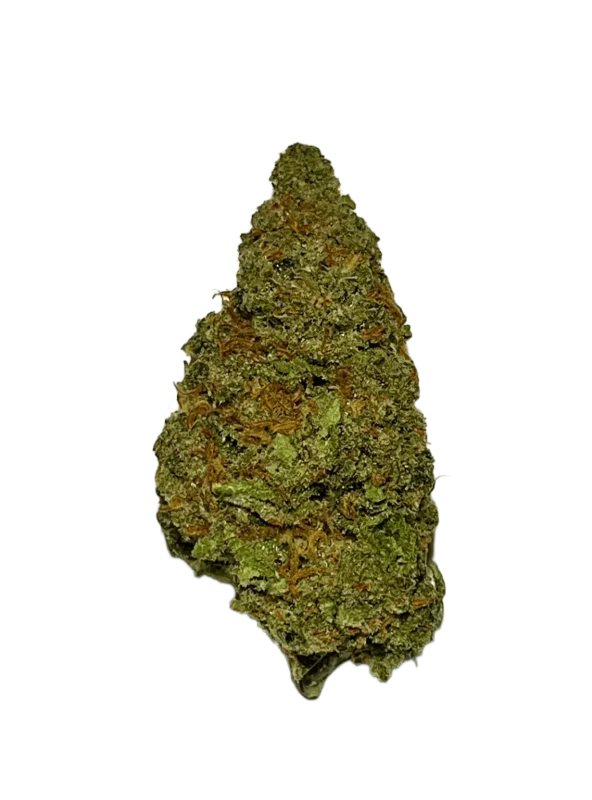
Cannabis flower is the dried flowering material of the cannabis plant.
Different cultivars can have different appearances, aromas, terpene profiles, and cannabinoid concentrations.
When evaluating a flower listing, useful product information includes:
- Cultivar or strain name.
- THC and CBD content.
- Terpene profile, if verified.
- Cultivation and processing information.
- Independent laboratory results.
- Storage and packaging information.
The supplied 420 Green Haven flower directory includes:
Flower product listings
- Amnesia Haze
- Bay Dream
- Bruce Banner
- Bubba Kush
- Cherry Pie
- Critical Kush
- Fantasy Island
- Frosted Truffles strain
- Galactic Cookies
- Grease Monkey
- Ice Cream Cake
- King Thunderfuck
Explore the complete 420 Green Haven flower category.
4.2 Cannabis shake and mixed botanical material
Cannabis shake generally refers to smaller flower fragments and loose plant material.
Its composition can vary depending on the source, handling, and storage conditions.
The supplied catalog includes:
Visit the shake product category.
4.3 Cannabis vape products and device formats
Vape products include different hardware formats, such as cartridges, disposable devices, and pod systems.
The catalog includes products with names such as Blue Dream, Banana Runtz, Pineapple Express, and Rainbow Belts.
Examples include:
- Apple Jacks CCELL EAZIE POD 1g
- Babby Powder Cookies
- Banana Runtz CCELL EAZIE POD 1g
- Batsh!t Cookies
- Blue Dream Sativa Litto
- Blueberry Banana Cookies
- Blueberry Haze CCELL EAZIE POD 1g
- Bubblegum Kush CCELL EAZIE POD 1g
- Cereal Milk Cookies
- Chamoy CCELL EAZIE POD 1g
- Cookies Disposable 3g Adios MF
- Cookies Disposable 3g Hollywood
- Cookies Disposable 5g Gelatti
- Cookies Disposable 5g Apples & Bananas
- Cookies Disposable 5g Blue Razz
- Cookies Disposable 5g Triple Scoop
- Dual Chamber Cereal Milk & Cereal A La Mode
- Forbidden Guava CCELL EAZIE POD 1g
- Grape God Indica Litto
- Honey Comb Runtz Liquid Diamonds
- Mimosa Hybrid Litto
- Pineapple Express CCELL EAZIE POD 1g
- Rainbow Belts CCELL EAZIE POD 1g
- Rainbow Sherbet CCELL EAZIE POD 1g
- Red Blow Pop Runtz Liquid Diamond
- Red Starburst Runtz Liquid Diamond
- Space Club Galaxy Bar 2ML
- Star Burstz CCELL EAZIE POD 1g
- Strawberry Cough CCELL EAZIE POD 1g
- The 10/10 Boys Disposable THC Vape
- Watermelon Zkittlez CCELL EAZIE POD 1g
Additional product listings include Cookies Honey Bun, Cookies Grenadine, Pancakes Cookies, and Cookies Disposable 5g Tequila Sunrise.
Explore the complete THC vape pen category and its second, third, and fourth pages.
4.4 E-liquids and cannabinoid liquid formulations
Liquid products require particular attention to formulation and intended route of administration.
Ingredients suitable for one application may be unsuitable for another.
The supplied listing includes:
Explore the e-liquids category.
4.5 Edibles, gummies and infused confectionery
Edibles include products formulated with cannabinoids and incorporated into food products.
Their concentration, ingredients, packaging, and serving information should be clearly disclosed.
The supplied product directory includes:
- Fruit Bites 1000mg THC Gummies
- Mango Premium DANK Gummies
- Orange Premium DANK Gummies
- Pro Infused 1000mg Capsules
- Pro Infused 500mg Capsules
- Watermelon Premium DANK Gummies 500mg
- Wonka Chocolate 1000mg THC
The term Wonka bar edible 1000mg is one example of a branded-style product search phrase. Product labels and verified THC quantities should always take precedence over informal search terminology.
Explore the edibles category.
4.6 Hash, resin and traditional concentrated products
Hash is traditionally made by collecting and compressing cannabis resin glands.
Its composition and characteristics can differ according to the plant material and production process.
The supplied catalog includes:
- Cereal Milk Hash
- Dark Rhino Hash
- Honey Hashish
- Ice Cream Cake Hash 5g
- Peanut Butter Bananas
- Top Dray Hash
Explore the hash product category.
4.7 Cannabis extracts and concentrated formulations
Cannabis extracts are concentrated preparations that can contain different proportions of cannabinoids and aromatic compounds.
The 420 Green Haven catalog includes:
- Biscotti Badder
- Crumble
- Delta-9 THC Distillate
- Live Resin Badder
- Live Resin Sugar
- Rainbow Belts Hash Rosin by Wonderbrett
- Rick Simpson Oil (RSO) 1G
The term concentrated pot is sometimes used in general searches for cannabis concentrates. More specific terminology, such as live resin, badder, crumble, distillate, and hash rosin, provides more useful product information.
Explore the extracts category.
5. Cannabis Product Searches: Understanding What People Really Mean
Cannabis-related searches can reveal very different intentions.
Some visitors are looking for scientific information. Others want to understand product formats, locate regulated medical services, research botanical genetics, or compare available product information.
A useful website should identify these differences instead of directing every visitor to the same product page.
Online cannabis terminology
Common searches include:
- “how to buy weed online”
- “how do I buy weed online”
- “how to buy online weed”
- “can I buy medical weed online”
- “can u buy weed online”
- “buy cannabinoids online”
- “buy ganja online”
- “where to buy weeds”
- “weed for sale”
- “cannabis for sale online”
- “marijuana for sale online”
- “dispensed product list”
- “420 plug”
- “thc shop”
These terms should be understood in the context of the applicable laws and regulated supply systems. A product catalog does not establish that a purchase or delivery is permitted in every country.
Product quantity and strain terminology
Searches can also include:
- 3g weed.
- Half an ounce of weed for sale.
- Frosted Truffles strain.
- Cannabis flower for sale.
- Marijuana flower for sale.
- CBD weed for sale.
- Cannabis extracts.
- Delta 9 THC distillate.
- Buy hash oil.
- Buy cannabinoids online.
Quantity descriptions and strain names should be accompanied by accurate product specifications rather than unsupported potency or quality claims.
Medical cannabis questions
Visitors often search for:
- Can I buy medical weed online?
- Where can I obtain a medical cannabis assessment?
- What is the difference between medical cannabis and recreational cannabis?
- Are prescription cannabinoid medicines available in my country?
- How can I check whether a cannabis medicine is approved?
These are best answered through qualified healthcare providers and official medical regulatory sources.
Local dispensary searches
Other examples include:
- Cheap dispensary near me open.
- Weed dispensary open near me.
- Weed near me.
- Dispensary delivery near me.
- Marijuana store near you.
- Delivery dispensary near me.
- Marijuana delivery.
- Order weed delivery.
These are location-dependent searches. A website should not imply that it operates a physical dispensary or local delivery network unless that service is verified.
6. Seeds, Clones, Genetics and Cannabis Cultivation: An Educational Perspective
Cannabis genetics is another area of interest in botanical science.
Researchers and licensed agricultural businesses examine plant genetics to understand traits such as growth characteristics, cannabinoid production, terpene composition, and resistance to environmental stress.
Searches in this category include:
- Buy weed seeds online.
- Cannabis seeds for sale.
- Cannabis seeds for sale online.
- Online cannabis seeds for sale.
- Feminized cannabis seeds for sale online.
- Marijuana seeds for sale.
- Marijuana seeds USA for sale.
- Medical marijuana seeds for sale.
- Marijuana plants for sale online.
- Cannabis plants for sale near me.
- Cannabis clones for sale.
- Cannabis clones for sale online.
- Cannabis clones online for sale.
- Cannabis clones near me for sale.
- Marijuana clones for sale.
- Male marijuana pollen for sale online.
These are genetics and cultivation-related searches, not products listed in the supplied 420 Green Haven catalog.
Any commercial activity involving cannabis seeds, plants, clones, or pollen must comply with the applicable cultivation and distribution laws.
The distinction between hemp agricultural products and controlled cannabis genetics is particularly important in international markets.
7. International Cannabis and CBD Information: Country-by-Country Search Relevance
International cannabis SEO needs more than inserting a country name into a keyword.
A visitor searching for CBD information in Germany may have different regulatory questions from someone researching medical cannabis in Australia or hemp products in the United Kingdom.
A responsible international content strategy should explain the local rules, relevant medical pathways, product classifications, and availability limitations.
7.1 European country coverage
The following countries provide geographic targets for educational CBD, hemp, cannabis research, and regulatory content:
Albania, Andorra, Armenia, Austria, Azerbaijan, Belarus, Belgium, Bosnia and Herzegovina, Bulgaria, Croatia, Cyprus, Czechia, Denmark, Estonia, Finland, France, Georgia, Germany, Greece, Hungary, Iceland, Ireland, Italy, Kosovo, Latvia, Liechtenstein, Lithuania, Luxembourg, Malta, Moldova, Monaco, Montenegro, Netherlands, North Macedonia, Norway, Poland, Portugal, Romania, Russia, San Marino, Serbia, Slovakia, Slovenia, Spain, Sweden, Switzerland, Turkey, Ukraine, and the United Kingdom.
Examples of appropriate regional article subjects include:
- CBD regulations and product information in Germany.
- Cannabis research and medical access in France.
- Hemp and cannabinoid regulations in Italy.
- CBD product rules in Spain.
- Cannabis legislation and health research in the Netherlands.
- Medical cannabis information in Portugal.
- CBD and hemp product regulations in Austria.
- Cannabinoid medicine information in Poland.
- Hemp research in Denmark.
- Medical cannabis information in the United Kingdom.
- Cannabis legislation in Switzerland.
- CBD product rules in Ireland.
The European Union Drugs Agency published an updated cannabis laws FAQ on April 21, 2026. It discusses recreational, medical, and commercial cannabis-derived products and provides an important starting point for country-specific research.
7.2 Australia: State and city search coverage
Australia requires a separate approach because medical cannabis access, prescribing, product approvals, and commercial restrictions operate under specific national and state frameworks.
New South Wales: Sydney, Newcastle, Wollongong, Central Coast, Maitland, Tweed Heads, Wagga Wagga, Albury, Tamworth, Orange, Dubbo, Bathurst.
Victoria: Melbourne, Geelong, Ballarat, Bendigo, Shepparton, Warrnambool, Mildura, Wodonga.
Queensland: Brisbane, Gold Coast, Sunshine Coast, Townsville, Cairns, Toowoomba, Mackay, Rockhampton, Bundaberg, Hervey Bay.
Western Australia: Perth, Bunbury, Geraldton, Albany, Kalgoorlie, Busselton.
South Australia: Adelaide, Mount Gambier, Whyalla, Murray Bridge, Port Pirie.
Tasmania: Hobart, Launceston, Devonport, Burnie.
Northern Territory: Darwin, Alice Springs, Palmerston, Katherine.
Australian Capital Territory: Canberra.
Suitable informational search topics include:
- Medical cannabis information in Sydney, New South Wales.
- Medical cannabis clinic regulations in Melbourne, Victoria.
- Medical cannabis prescribing in Brisbane, Queensland.
- Cannabis medicine information in Perth, Western Australia.
- CBD and cannabinoid regulations in Adelaide, South Australia.
- Medical cannabis information in Hobart, Tasmania.
- Cannabis regulation in Darwin, Northern Territory.
- Medical cannabis access information in Canberra, ACT.
The phrases “buy weed online Australia” and “buy weeds online Australia” are commercial search queries, but they should not be treated as evidence that recreational cannabis can be legally sold or shipped to every Australian state.
7.3 United States: State-specific cannabis information
The United States has a complex regulatory landscape. State-level medical and adult-use policies differ, and federal rules also matter.
Potential state-level informational targets include:
Alabama, Alaska, Arizona, Arkansas, California, Colorado, Connecticut, Delaware, Florida, Georgia, Hawaii, Idaho, Illinois, Indiana, Iowa, Kansas, Kentucky, Louisiana, Maine, Maryland, Massachusetts, Michigan, Minnesota, Mississippi, Missouri, Montana, Nebraska, Nevada, New Hampshire, New Jersey, New Mexico, New York, North Carolina, North Dakota, Ohio, Oklahoma, Oregon, Pennsylvania, Rhode Island, South Carolina, South Dakota, Tennessee, Texas, Utah, Vermont, Virginia, Washington, West Virginia, Wisconsin, and Wyoming.
Washington, D.C. should be treated separately from the states.
Useful educational topics include:
- Cannabis oil regulations in Texas.
- Medical marijuana regulations in Vermont.
- Cannabis product information in California.
- Medical cannabis research in Florida.
- Cannabis product rules in Colorado.
- Hemp and CBD regulations in New York.
- Medical cannabis information in Virginia.
- Cannabis legislation in Washington.
- Cannabinoid research in Massachusetts.
The phrase “cannabis oil online for sale Texas” should be treated as a search query, not a statement that a particular THC oil can legally be sold in Texas.
7.4 North American and international expansion
Further informational coverage can include Canada, Mexico, Central America, South America, and the Caribbean.
Potential country-level targets include:
- Canada.
- Mexico.
- Guatemala.
- Belize.
- Costa Rica.
- Panama.
- Colombia.
- Ecuador.
- Peru.
- Bolivia.
- Brazil.
- Paraguay.
- Uruguay.
- Argentina.
- Chile.
- Venezuela.
- Guyana.
- Suriname.
- Jamaica.
- The Bahamas.
- Barbados.
- Trinidad and Tobago.
- Dominican Republic.
- Haiti.
- Cuba.
These markets have different rules governing medical cannabis, recreational cannabis, industrial hemp, imports, exports, and CBD products. Each regional page should be researched independently.
8. How to Evaluate Cannabis Product Quality in 2026
Product transparency should be central to any modern cannabis information platform.
A product name, attractive package, or high-potency number is not enough to establish quality.
Before evaluating a cannabis or hemp product, consider the following information.
Cannabinoid profile: Look for accurate CBD, THC, and other cannabinoid measurements.
Independent testing: A certificate of analysis should identify the tested batch and provide relevant laboratory results.
Contaminant screening: Testing may cover pesticides, heavy metals, microbial contamination, residual solvents, and other relevant substances.
Ingredient transparency: Oils, edibles, vape liquids, and topical preparations should clearly disclose their ingredients.
Manufacturing information: Product descriptions should explain the formulation and relevant processing standards.
Storage instructions: Cannabinoid products may be sensitive to heat, light, and environmental conditions.
Regulatory status: A product’s legal classification must be established in the country where it is marketed.
These principles apply across flower, shake, extracts, hash, vape products, and edible formulations.
9. Frequently Asked Questions About Cannabis, Medical Research and Product Information
What are the potential health benefits of cannabis?
Selected cannabinoid medicines have established applications, particularly purified CBD for certain rare epilepsy syndromes. Other possible applications, including selected pain conditions and neurological symptoms, remain under investigation or have mixed evidence.
Is THC the same as CBD?
No. THC is intoxicating and can impair coordination, judgment, and memory. CBD is not intoxicating by itself, although it can still cause side effects and interact with medicines.
Is cannabis smoking healthy?
No method of smoking cannabis is risk-free. Combustion exposes the respiratory system to harmful substances. Avoiding smoke exposure is an important health consideration.
What is concentrated pot?
It is an informal expression for cannabis concentrates. More precise product terminology includes distillate, live resin, badder, crumble, and hash rosin.
What is a 3g weed product?
The phrase generally refers to a product described as containing three grams of cannabis. The actual product type, contents, and labeling should always be verified.
What is the difference between hash oil and cannabis flower?
Cannabis flower is dried plant material, while hash oil is a concentrated cannabis preparation. Concentrates can contain substantially higher cannabinoid concentrations than flower.
What does delta-9 THC distillate mean?
Delta-9 THC distillate is a refined cannabis extract containing concentrated delta-9 THC. It is intoxicating and requires careful attention to legal status, accurate labeling, and safety.
Can someone buy medical cannabis online?
Medical cannabis access depends on the country, product authorization, prescription requirements, and approved dispensing arrangements. An online listing does not automatically establish that a product is an authorized medicine.
Are cannabis seeds and clones available through the 420 Green Haven catalog?
The supplied catalog lists flower, shake, vape products, e-liquids, edibles, hash, and extracts. It does not establish that cannabis seeds, clones, or live plants are available.
What is a Wonka Bar edible 1000mg?
This is a search phrase associated with a high-labeled-THC chocolate product. Consumers should verify the actual manufacturer, ingredients, batch testing, and total cannabinoid content rather than relying on informal product names.
Can cannabis oil cure cancer?
There is no reliable clinical evidence establishing commercial cannabis oil as a cure for cancer. Cannabis products should never replace oncology treatment.
Are CBD products legal throughout Europe?
No. Product classification, THC content, food and cosmetics regulations, and national rules can affect whether a product may be sold or imported.
10. The Future of Cannabis Education and Botanical Product Transparency
The cannabis industry is changing, but the future of the sector should not be measured only by the number of products available.
Scientific credibility, responsible communication, manufacturing transparency, and consumer education are equally important.
In 2026, people researching cannabis deserve more than exaggerated claims and repetitive product advertisements.
They deserve clear information about:
- What cannabinoids are.
- How THC and CBD differ.
- Which medical applications have clinical evidence.
- What researchers are still investigating.
- How different product formats are classified.
- What laboratory testing can establish.
- What risks are associated with cannabis exposure.
- Which regulatory requirements apply in their country.
For 420 Green Haven, the opportunity is to develop a more informative online resource connecting botanical research with accurate product descriptions and an organized catalog.
Explore the supplied flower collection, shake collection, vape collection, edibles, hash, and extracts.
420 Green Haven — Botanical Research, Product Information and Responsible Cannabis Education.
Website: https://420greenhaven.com/
11. Research and Regulatory References
For readers interested in the science behind this guide, the following sources provide additional information:
- FDA — Cannabis Research and Drug Approval Process
- FDA — Regulation of Cannabis and Cannabis-Derived Products
- National Institutes of Health — Cannabis
- CDC — Cannabis Health Effects
- CDC — Cannabis Frequently Asked Questions
- Cochrane — Medical Cannabis for Insomnia, 2026
- Cochrane — Cannabis-Based Medicines for Chronic Neuropathic Pain, 2026
- European Union Drugs Agency — Cannabis Laws in Europe, 2026
- Singapore Central Narcotics Bureau — Understanding Medical Cannabis
- FDA — Cannabis and CBD Safety Information
Editorial note: This article is educational and does not constitute medical, legal, or prescribing advice. Product availability and regulatory status must be verified before publication and before any transaction.
