
buy CBD oil online, buy concentrates online, buy live resin online, buy medical weed online, buy pre rolls online, Buy Weed Online, dispensary open late near me, Guide, Health, Innovation, order weed online, Style, top rated cannabis dispensaries, Uncategorized, Weed For Sale, Weed For Sale Online, weed store near me
Cannabis Products, Strains and Wellness Research: A Complete Guide to Flower, Edibles, Vapes, Hash and Extracts
Nov
Cannabis Products, Strains and Wellness Research: A Complete Guide to Flower, Edibles, Vapes, Hash and Extracts
Understanding modern cannabis culture, product types and the science behind cannabinoids
Cannabis has become a major subject of conversation across science, culture, wellness and consumer research. From traditional cannabis flower and familiar strain varieties to modern vape formulations, edibles, hash and concentrated extracts, the plant is associated with a wide range of products and experiences.
Yet understanding cannabis involves more than knowing product names. It means learning how cannabinoids work, why different consumption methods produce different effects, what researchers have discovered about potential medical applications, and which health risks deserve attention.
Whether someone is researching cannabis terminology, comparing product formats, exploring CBD and hemp, or learning about the differences between THC and other cannabinoids, reliable information makes a meaningful difference.
This guide explores the subject in a straightforward way, with an emphasis on clear explanations, responsible information and current scientific understanding.
1. What makes cannabis different?
Cannabis is a plant that contains hundreds of naturally occurring compounds. These include cannabinoids, terpenes and flavonoids.
Two of the most widely discussed cannabinoids are:
- THC (tetrahydrocannabinol): The primary intoxicating compound in cannabis. It can affect perception, memory, coordination, appetite and mood.
- CBD (cannabidiol): A non-intoxicating cannabinoid that has been studied for several potential medical applications. It can still cause side effects and interact with certain medications.
Other compounds, including CBG and CBN, are receiving growing research attention. However, evidence for their health effects remains limited in many areas.
Cannabis also contains terpenes, which contribute to its distinctive aromas. Depending on the plant variety, these aromas may be described as citrusy, floral, earthy, herbal, sweet or spicy.
Although strain names and aroma profiles are popular topics, they do not reliably predict a person’s experience or establish a particular medical benefit.
2. Cannabis flower and popular strain terminology
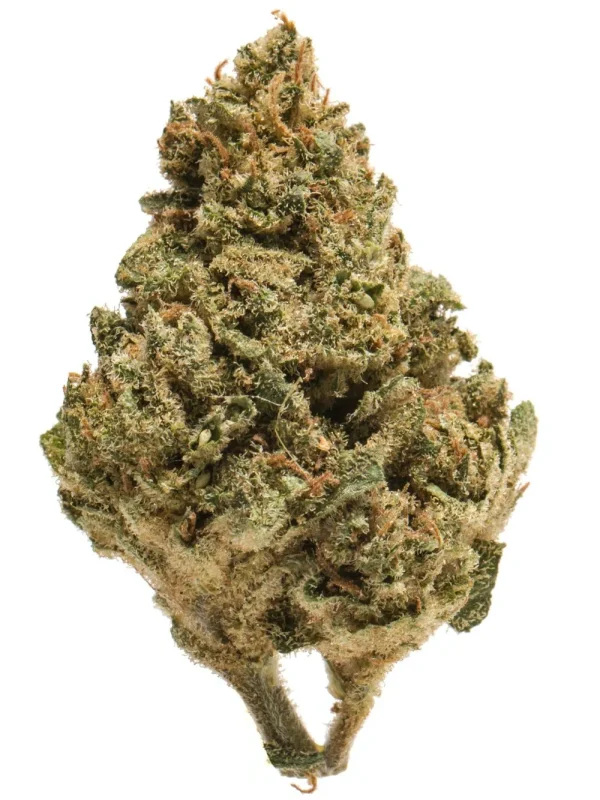
Cannabis flower refers to the dried flowering portion of the plant. It is commonly discussed in relation to appearance, aroma, cannabinoid concentration and terpene composition.
Some familiar strain names include Amnesia Haze, Bay Dream, Bruce Banner, Bubba Kush, Cherry Pie, Critical Kush, Fantasy Island, Frosted Truffles, Galactic Cookies, Grease Monkey, Ice Cream Cake and King Thunderfuck.
Consumers and researchers may also encounter three broad labels:
Sativa: Traditionally associated with certain plant characteristics and commonly used in strain descriptions.
Indica: A label frequently used in product descriptions and cannabis culture.
Hybrid: A term for varieties developed from different cannabis lineages.
These labels are not dependable medical classifications. Actual effects depend on the chemical composition of the product, THC concentration, individual sensitivity and other factors.
Understanding the effects of smoking cannabis
Smoking introduces cannabinoids into the bloodstream through the lungs. Effects can begin relatively quickly, although their intensity and duration vary.
Some people report temporary relaxation, changes in sensory perception, increased appetite or altered mood. Others may experience anxiety, dizziness, confusion, impaired coordination or an increased heart rate.
Smoking cannabis also carries respiratory risks. Cannabis smoke contains irritants and harmful chemicals that can affect lung tissue. Regular exposure may contribute to coughing, bronchitis symptoms and increased mucus production.
For this reason, smoking cannabis should not be described as harmless or as a proven treatment for respiratory problems.
3. Cannabis shake and botanical material
Cannabis shake generally describes smaller pieces of cannabis flower that separate during handling and storage. Its appearance and composition can vary.
The term is often used in discussions about cannabis flower preparation, botanical material and product consistency.
When evaluating any cannabis-related material, important questions include:
- Is the product composition clearly identified?
- Is cannabinoid content accurately reported?
- Is reliable testing information available?
- Are potential contaminants addressed?
- Is the product stored and handled appropriately?
Clear product information is important because appearance alone cannot establish potency, purity or quality.
4. Cannabis vaping and modern inhalation technology
Vaping involves heating a material to produce an aerosol rather than burning it in the same way as smoking. Cannabis-related vape products may contain concentrated oils, distillates or other formulations.
Common terminology includes:
- THC vape cartridges
- Disposable cannabis vape devices
- CCELL-style cartridge systems
- Liquid diamond formulations
- Distillate cartridges
- Live resin cartridges
- Dual-chamber vape systems
- Cannabis vape liquids
Different formulations can contain very different cannabinoid concentrations and ingredients.
What should people understand about vaping?
Vaping is sometimes presented as a harmless alternative to smoking. That description is misleading.
Inhaling cannabis aerosols can expose the lungs to potentially harmful substances. Product additives, contaminants, device materials and concentrated THC levels may all affect risk. The long-term effects of many cannabis vaping formulations are still being investigated.
High-potency THC products can also increase the likelihood of anxiety, panic, confusion and other unwanted psychological effects.
People researching cannabis vape products should pay attention to ingredient transparency, independent testing and accurate cannabinoid information rather than relying on marketing descriptions.
5. Cannabis edibles: gummies, chocolates and capsules
Cannabis edibles are products designed to be consumed rather than inhaled. They include gummies, chocolates, capsules, baked goods and other infused foods.
Their effects differ from those of smoked or inhaled cannabis because cannabinoids pass through the digestive system before entering the bloodstream.
This process can delay the onset of effects. The experience may also last longer than the effects of inhaled cannabis.
Common edible terminology includes:
- THC gummies
- CBD gummies
- Cannabis-infused chocolates
- THC capsules
- CBD capsules
- Cannabis fruit chews
- Infused confectionery
- Cannabinoid-based oral products
Why edibles require particular caution
One of the most important considerations is delayed onset. Someone may mistakenly assume that an edible has not taken effect and consume more. This can lead to unexpectedly intense or prolonged impairment.
THC edibles can affect memory, coordination, attention and judgement. Accidental ingestion is also a serious concern when products are accessible to children or pets.
Clear labelling and secure storage are essential.
6. Hash, hashish and cannabis resin
Hash, also known as hashish, is a concentrated cannabis preparation traditionally produced by collecting and compressing resin-rich trichomes.
Cannabis resin contains cannabinoids and aromatic compounds. Its appearance and texture can vary depending on the source material and preparation method.
Common terms include:
- Cannabis hash
- Hashish
- Hash oil
- Cannabis resin
- Dry-sift hash
- Traditional pressed hash
- Concentrated cannabis resin
Hash has a long history in different parts of the world. Traditional preparation methods and modern extraction techniques have contributed to a wide variety of textures and formulations.
Because concentrated cannabis products may contain substantial amounts of THC, their effects can be stronger than those associated with lower-potency products.
7. Cannabis concentrates: live resin, badder, crumble and rosin
Cannabis concentrates are preparations created by separating selected compounds from plant material. Different techniques produce different consistencies and cannabinoid profiles.
Some commonly used terms include:
Live resin: A concentrate produced from freshly harvested cannabis material that is preserved before extraction.
Live sugar resin: A concentrate with a granular or crystalline appearance.
Badder: A soft concentrate with a whipped or creamy texture.
Crumble: A concentrate with a dry, crumbly consistency.
Hash rosin: A solventless concentrate produced through mechanical separation and pressing.
THC distillate: A refined preparation containing concentrated cannabinoids.
Shatter: A concentrate commonly described by its brittle, glass-like texture.
Wax and dabs: General terms used for certain concentrated cannabis preparations and methods of consumption.
These descriptions explain product terminology, not medical effectiveness. Higher concentration does not automatically mean greater therapeutic value.
8. CBD, CBG and CBN: understanding the wider cannabinoid family
Interest in cannabinoids extends beyond THC and CBD.
CBD
CBD is not intoxicating in the same way as THC. Researchers have investigated its potential applications in several areas, including certain seizure disorders. However, evidence from prescription CBD medicines cannot automatically be applied to ordinary retail CBD products.
CBG
Cannabigerol is a minor cannabinoid that has attracted scientific interest. Much of the research remains preliminary, and more clinical evidence is needed.
CBN
Cannabinol is another cannabinoid associated with cannabis. It can form as THC degrades. Claims about its effects on sleep and relaxation require stronger human clinical research.
Hemp and CBD terminology
People researching hemp and cannabinoid products may encounter phrases such as:
- Hemp flower
- CBD flower
- CBD oil
- Full-spectrum CBD
- Broad-spectrum CBD
- CBD isolate
- CBD capsules
- Water-soluble CBD
- CBG oil
- CBN products
- Hemp extracts
- CBD cosmetics
The most important considerations are accurate ingredient information, reliable testing and realistic descriptions of the available evidence.
9. What does scientific research say about cannabis and health?
Cannabis research is expanding, but its findings need to be interpreted carefully. Some cannabinoid-based medicines have demonstrated benefits for particular symptoms and medical conditions. That does not mean every cannabis product has the same effects.
Chronic pain
Research suggests that certain cannabinoid medicines may provide modest relief for some forms of chronic pain, particularly neuropathic pain. However, results vary, and side effects can include dizziness, drowsiness and impaired concentration.
Multiple sclerosis symptoms
Certain cannabis-based medicines have been investigated for muscle stiffness and spasms associated with multiple sclerosis. Some patients may experience improvements, although treatment requires medical supervision.
Chemotherapy-related nausea
Specific cannabinoid medicines have been used to help manage nausea and vomiting associated with chemotherapy, particularly when other treatments have not provided sufficient relief.
Certain epilepsy syndromes
Purified prescription CBD has demonstrated effectiveness for seizures associated with specific rare epilepsy syndromes. This evidence applies to carefully formulated medical products and should not be treated as proof that all CBD products have the same effects.
Appetite and other symptoms
Some cannabinoid medicines have been investigated for appetite loss and weight loss in particular medical circumstances. Research into sleep, anxiety and other symptoms continues, but the evidence differs considerably between conditions.
An important distinction: Cannabis products should not be described as cures for cancer, epilepsy, chronic pain, anxiety or other diseases. Anyone considering cannabinoid products for a medical condition should consult a qualified healthcare professional.
10. Potential health risks and responsible cannabis awareness
A balanced discussion of cannabis should include potential benefits under specific medical circumstances as well as possible harms.
Important concerns include:
- Respiratory effects: Cannabis smoke can irritate the airways and contribute to respiratory symptoms.
- Impaired coordination: THC can affect reaction time, judgement and motor skills.
- Memory and attention: Cannabis can temporarily interfere with learning, attention and short-term memory.
- Mental health: Some individuals experience anxiety, panic or paranoia. High-potency THC may increase these risks.
- Dependence: Frequent cannabis use can lead to cannabis use disorder.
- Cardiovascular effects: THC may temporarily increase heart rate and affect blood pressure.
- Medication interactions: Cannabinoids can interact with certain prescription and non-prescription medicines.
Cannabis should be avoided by young people, during pregnancy and breastfeeding, and before driving or operating machinery.
11. Understanding cannabis-related search terminology
Online searches reflect different levels of interest and intent. Some people seek general information, while others research specific product categories, ingredients or terminology.
For an educational cannabis resource, the following keyword groups are useful.
General cannabis and botanical terminology
Cannabis, marijuana, weed, ganja, hemp, cannabis flower, cannabis resin, cannabis extracts, cannabis concentrates, cannabinoids, terpenes, THC, CBD, CBG, CBN, cannabis strains, indica strains, sativa strains, hybrid strains, cannabis products, botanical extracts and cannabis research.
Product-format terminology
Cannabis flower, pre-rolls, cannabis shake, THC edibles, CBD gummies, cannabis chocolates, THC capsules, CBD capsules, cannabis vape products, vape cartridges, cannabis vape liquids, hash, hashish, hash oil, live resin, live sugar resin, badder, crumble, shatter, wax, rosin, distillate and moon rocks.
Product quality and consumer-information terminology
Cannabinoid content, THC concentration, CBD concentration, terpene profile, third-party testing, laboratory testing, product ingredients, product consistency, product labelling, extraction methods, product storage, contaminant screening and product safety.
Retail and marketplace terminology
Online cannabis marketplace, cannabis product directory, cannabis product catalogue, cannabis retailer, cannabis shop, cannabis product information, cannabis product comparison, cannabis category guide, cannabis industry suppliers, wholesale terminology and cannabis retail trends.
These groups provide a more natural foundation for informational pages than repeating every transactional phrase throughout a single article.
12. Cannabis research and regional interest
Interest in cannabis-related information varies between countries and regions. Search behaviour is influenced by local terminology, medical research, consumer education and the availability of reliable information.
European searches frequently include CBD oil, CBD flower, hemp products, CBD hash, CBG products, hemp extracts and cannabinoid research.
Australian searches often include medicinal cannabis information, medical cannabis clinics, prescription pathways, CBD products, THC oil, dry-herb vaporizer terminology and clinical research.
North American searches commonly include cannabis flower, edibles, vape products, concentrates, CBD products, dispensary terminology and product testing.
South American and Caribbean searches also reflect interest in hemp, cannabinoids, cannabis research, botanical products and regional cannabis culture.
For a useful international resource, geographic references should be organized into dedicated country and regional guides. Each page should provide accurate, locally relevant information rather than imply that one product or service is available everywhere.
13. Frequently asked questions
What is the difference between THC and CBD?
THC is intoxicating and can alter perception, memory and coordination. CBD is not intoxicating in the same way, although it can still cause side effects and interact with medicines.
Are cannabis edibles stronger than smoking?
They can produce a different and sometimes longer-lasting experience. Their delayed onset makes it particularly important to understand the risks of unintended overconsumption.
Is cannabis vaping safe?
No inhaled cannabis product should be considered risk-free. Vaping can expose the lungs to potentially harmful substances, and the long-term effects of many formulations remain uncertain.
What is live resin?
Live resin is a cannabis concentrate produced using freshly harvested material that is preserved before extraction. It is commonly discussed in relation to terpene preservation and concentrate texture.
What is the difference between hash and rosin?
Traditional hash is generally made by collecting and compressing resin-rich trichomes. Hash rosin is a solventless concentrate produced through mechanical separation and pressing.
Does cannabis have proven medical benefits?
Certain cannabinoid medicines have demonstrated benefits for specific conditions. The evidence does not establish that all cannabis products provide medical benefits.
Conclusion: A better-informed conversation about cannabis
Cannabis is a complex plant with a long cultural history and an evolving scientific profile. Its different forms—including flower, shake, edibles, vape formulations, hash and extracts—have distinct characteristics, effects and risks.
Research into cannabinoids continues to develop. Some specific medical preparations have shown benefits for defined conditions, while many popular wellness claims still require stronger evidence.
The best cannabis information is clear, balanced and transparent. By understanding cannabinoids, product terminology, consumption methods and potential health effects, readers can make better-informed decisions and distinguish scientific findings from marketing claims.
