buy CBD oil online, buy concentrates online, buy live resin online, buy medical weed online, buy pre rolls online, Buy Weed Online, dispensary open late near me, Guide, Health, Innovation, order weed online, Style, top rated cannabis dispensaries, Uncategorized, Weed For Sale, Weed For Sale Online, weed store near me
Cannabis Products Online: Explore Weed Flower, THC Vapes, Edibles, Hash & Extracts at 420 Green Haven
Oct
Cannabis Products Online: Explore Weed Flower, THC Vapes, Edibles, Hash & Extracts at 420 Green Haven
Cannabis products have become a major topic of conversation among adult consumers, researchers, healthcare professionals, and policymakers. From cannabis flower and traditional hash to vape products, infused edibles, and concentrated extracts, today’s market includes a wide range of product formats, each with its own characteristics, considerations, and regulatory requirements.
At 420 Green Haven, visitors can explore different cannabis product categories, learn about selected product names, and review the listings available through our online catalog. Whether you’re researching cannabis flower varieties, comparing extract types, or learning how edibles differ from inhaled products, understanding the categories is an important first step.
Interest in cannabis also extends beyond consumer products. Research published during 2026 has continued to examine cannabinoids, potential therapeutic applications, mental health, chronic pain, and the risks associated with frequent or high-potency cannabis use. The findings reinforce an important distinction: although certain cannabinoid-based medicines have established medical uses, many broader claims about cannabis and health remain uncertain.
This guide brings these topics together, covering the product categories available through 420 Green Haven, recent developments in cannabis research, responsible health information, and geographic search topics relevant to readers in the United States, Canada, Europe, Australia, Latin America, and the Caribbean.
Important: Cannabis laws differ by jurisdiction and product type. The geographic terms in this article are intended for informational and SEO purposes; they do not confirm that any particular product is legal, available, or eligible for delivery in a listed location.
Explore Cannabis Product Categories at 420 Green Haven
Understanding the differences between cannabis products makes it easier to research a category and interpret its product descriptions. Flower, shake, vape products, edibles, hash, and extracts are not interchangeable, and their composition, potential effects, and risks may differ.
Use the category links below to explore the listings available on 420 Green Haven.
Cannabis Flower and Weed Strains
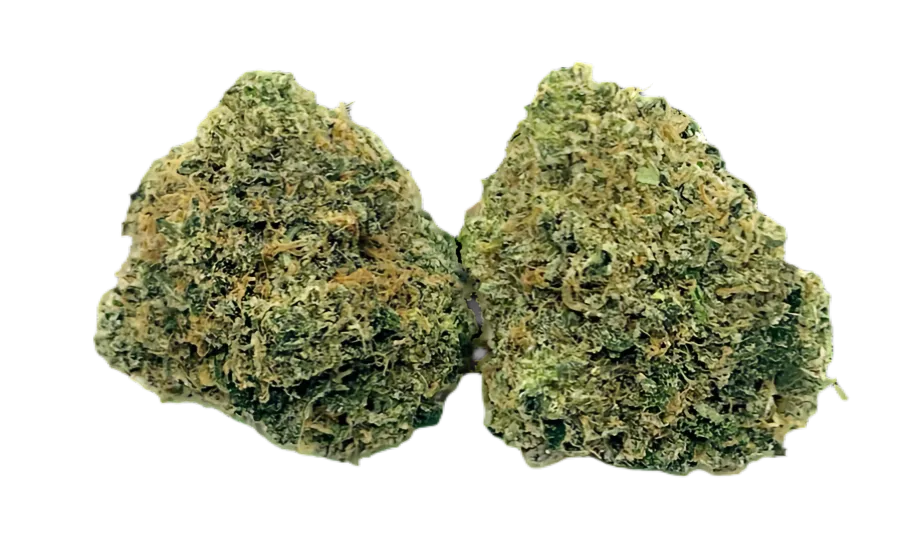
Cannabis flower is one of the best-known categories in the cannabis market. Individual varieties can differ in aroma, appearance, flavor characteristics, and cannabinoid composition. These characteristics may vary depending on the producer, growing conditions, processing, storage, and product batch.
Explore the cannabis flower and weed collection to review the available listings.
Selected strain names in the catalog include:
- Amnesia Haze
- Bay Dream
- Bruce Banner
- Bubba Kush
- Cherry Pie
- Critical Kush
- Fantasy Island
- Frosted Truffles
- Galactic Cookies
- Grease Monkey
- Ice Cream Cake
- King Thunderfuck
These names help distinguish products within the catalog, but a strain name alone cannot establish a product’s precise effects, potency, purity, or suitability for a particular person. Review the product’s actual description, stated cannabinoid information, and available laboratory documentation.
Useful search topics include cannabis flower varieties, weed strain descriptions, cannabis flower characteristics, and cannabis product information in specific locations. Location-based pages should provide accurate local information rather than simply attaching city names to generic product descriptions.
Cannabis Shake and Mixed Shake
Cannabis shake generally refers to smaller pieces of flower and plant material collected during handling. The composition and quality of shake can vary, so consumers should review the details of individual products instead of assuming that every listing is equivalent.
Visit the cannabis shake collection to explore the category.
Selected product names include:
- Mixed Shake
- Premium Mix Shake
When comparing shake products, consider the stated contents, package size, product labeling, and available testing information. Marketing terms such as “premium” should not be treated as independent evidence of potency, purity, or quality.
Relevant informational keywords include cannabis shake products, mixed shake descriptions, cannabis flower material, and cannabis product information by location.
THC Vape Pens and Cannabis Vape Products
Cannabis vape products are available in different formats, which may include cartridges, compatible pod systems, disposable devices, and other vaporizer products. Ingredients, device specifications, cannabinoid concentrations, and compatibility requirements can differ considerably.
Explore the main THC vape pen collection and continue browsing through the additional catalog pages:
- THC vape product listings — page 2
- THC vape product listings — page 3
- THC vape product listings — page 4
Selected names across the catalog include:
- Apple Jacks CCELL EAZIE POD
- Babby Powder Cookies
- Banana Runtz
- Batsh!t
- Blue Dream Litto
- Blueberry Banana Cookies
- Blueberry Haze
- Bubblegum Kush
- Cereal Milk Cookies
- Chamoy
- Cookies disposables
- Forbidden Guava
- Grape God
- Honey Comb Runtz
- Mimosa
- Pancakes
- Pineapple Express
- Rainbow Belts
- Rainbow Sherbet
- Red Blow Pop
- Red Starburst
- Space Club Galaxy Bar
- Star Burstz
- Strawberry Cough
- 10/10 Boys
- Watermelon Zkittlez
The catalog may also include dual-chamber products and other device formats. Always check the individual listing for its actual specifications rather than relying on the name or appearance.
Vape products containing THC can cause intoxication and impairment. Unverified liquids or cartridges may also pose risks from inaccurate labeling, contaminants, or unsuitable ingredients. Vapor inhalation is not risk-free, and products should never be assumed safe simply because they are sold in a familiar device format.
Useful educational search terms include THC vape product information, cannabis vaporizer compatibility, vape product ingredients, and cannabis vape regulations in specific states or countries.
E-Liquids and Vape Liquid Information
E-liquids form another category within the broader vaping market. Their formulations and intended uses can vary, and not every liquid is suitable for every device or intended for inhalation.
Visit the e-liquids collection to review the listed products.
One product name featured in the catalog is:
- Vape Juice 5000mg 10ml
The number in a product name should not be treated as independently verified proof of its composition, potency, or quality. Review the complete label and any available supporting documentation to understand what the product contains.
For this category, useful search topics include e-liquid ingredients, vape liquid product specifications, compatible vaping devices, and cannabinoid-containing liquid regulations.
Any page discussing THC-containing liquids should clearly distinguish verified product information from assumptions and should avoid suggesting that a product is lawful or suitable for use in every market.
Cannabis Edibles, Gummies, and Capsules
Cannabis edibles include products designed to be consumed orally, such as gummies, chocolates, and capsules. Their formulations, ingredients, and labeled cannabinoid amounts vary, making accurate product descriptions particularly important.
Explore the cannabis edibles collection to see the listed products.
Selected product names include:
- Fruit Bites 1000mg Gummies
- Mango Premium DANK Gummies
- Orange Premium DANK Gummies
- Watermelon DANK Gummies
- Pro Infused 500mg Capsules
- Pro Infused 1000mg Capsules
- Watermelon 500mg THC Gummies
- Wonka Chocolate 1000mg THC
These are catalog names, not independent verification of product contents. Always distinguish between the total amount listed for a package and the amount in an individual serving.
Edibles can take longer to produce noticeable effects than inhaled cannabis, and their effects may last longer. Taking additional amounts too soon can increase the risk of overconsumption and unpleasant or dangerous reactions. Keep intoxicating edibles securely stored away from children and pets.
Relevant search topics include cannabis gummy ingredients, edible product labeling, THC serving information, cannabis capsules, and cannabis edible regulations in local markets.
Product descriptions should focus on verifiable information and should not promise that edibles treat a disease, cure a health condition, or produce guaranteed effects.
Hash and Traditional Cannabis Concentrates
Hash is traditionally made by collecting and compressing resin-rich trichomes from cannabis. Products can differ in texture, appearance, aroma, manufacturing method, and cannabinoid composition.
Visit the hash product collection to explore this category.
Selected product names include:
- Cereal Milk Hash
- Dark Rhino Hash
- Honey Hashish
- Ice Cream Cake Hash 5g
- Peanut Butter Bananas
- Top Dray Hash
Product names, advertised weights, and appearance do not independently establish purity or strength. Review the listing for composition, package details, and available testing documentation.
People researching hash products may also want to understand how traditional hash differs from other cannabis extracts. Educational content that explains these distinctions can be more useful than pages that repeat the same commercial keywords without adding information.
Cannabis Extracts: Badder, Crumble, Live Resin, Rosin, and Distillate
Cannabis extracts are produced through different processes that concentrate selected compounds from cannabis material. Their texture, composition, and manufacturing methods can vary.
Explore the cannabis extracts collection to browse the category.
Selected names include:
- Biscotti Badder
- Crumble
- Delta-9 THC Distillate
- Live Resin Badder
- Live Resin Sugar
- Rainbow Belts Hash Rosin by Wonderbrett
- Rick Simpson Oil (RSO) 1G
These terms describe different product types or formats. Badder and crumble commonly refer to different extract textures. Live resin and hash rosin refer to different production approaches, while distillates are another class of concentrate.
The actual composition and manufacturing method should be verified through the product documentation. A familiar product name does not guarantee a specific cannabinoid concentration or consistent quality.
Concentrated THC products can be highly intoxicating. They may carry increased risks of overconsumption, impaired judgment, and adverse reactions, particularly for people with limited experience. Concentration alone is not a measure of safety or overall product quality.
Useful informational topics include cannabis extract types, live resin product descriptions, hash rosin characteristics, THC distillate labeling, and local concentrate regulations.
Cannabis Research in 2026: Recent Findings and What They Mean
Cannabis research continues to develop, but findings from one study should not be treated as proof that every cannabis product provides the same effects. Researchers study specific compounds, doses, formulations, patient groups, and outcomes. Those distinctions matter when interpreting claims about health benefits.
The following developments published in 2026 are particularly relevant to consumers looking for reliable information.
1. January 2026: Updated Review Examines Cannabis-Based Medicines for Nerve Pain
On January 19, 2026, the Cochrane research organization reported on an updated review of cannabis-based medicines for chronic neuropathic pain—a type of pain associated with damage to the nervous system.
The review examined 21 clinical trials involving more than 2,100 adults. It found no clear, high-quality evidence that the cannabis-based medicines studied relieved chronic neuropathic pain better than a placebo. Some products containing both THC and CBD were associated with small improvements, but the reported changes were not large enough to be considered clinically meaningful. THC-containing products were also associated with side effects such as dizziness and drowsiness.
What this means for readers: Interest in cannabis for pain management is understandable, but current evidence does not justify promising that cannabis products reliably relieve chronic nerve pain. Product descriptions should not present this use as a proven benefit for every consumer.
Read the Cochrane review summary on cannabis-based medicines and chronic neuropathic pain.
2. March 2026: Research Review Highlights Uncertainty Around Cannabis and Mental Health
A review published in JAMA Internal Medicine on March 9, 2026, examined the use of cannabis and cannabinoids for mental health conditions.
The authors concluded that evidence supporting cannabis as a treatment for mental health conditions remains insufficient. The review identified substantial uncertainty around THC-predominant cannabis for anxiety, depression, post-traumatic stress disorder, and attention-deficit/hyperactivity disorder. It also discussed potential mental health harms, including worsening symptoms in some people with bipolar or psychotic disorders. Evidence concerning CBD and anxiety was described as emerging but low-certainty.
What this means for readers: Cannabis should not be promoted as an established treatment for anxiety, depression, PTSD, or other mental health conditions based on these findings. People considering cannabinoids for a health concern should discuss the evidence, potential interactions, and alternatives with a qualified healthcare professional.
Read the 2026 JAMA Internal Medicine review on cannabis and mental health.
3. August 2026: JAMA Reviews Therapeutic Uses and Risks of Cannabinoids
A patient-information review published by JAMA on August 6, 2026, summarized evidence on the therapeutic use of cannabis and cannabinoids.
The review noted that evidence is insufficient for most conditions for which cannabis is commonly considered, including acute and chronic pain, insomnia, and many mental health disorders. It also described specific medical uses of certain FDA-approved cannabinoid medicines, including treatment of particular forms of chemotherapy-related nausea and vomiting, HIV/AIDS-related weight loss, and certain rare seizure disorders. These approvals apply to specific medicines and indications, not to cannabis products as a whole.
The review also discussed risks associated with cannabis use, including potential problems with memory and judgment, mental health effects, cardiovascular concerns, respiratory effects from inhalation, and cannabis use disorder.
What this means for readers: Evidence about one prescription cannabinoid medicine cannot automatically be applied to a retail gummy, vape cartridge, flower product, or extract. Formulation, dose, quality controls, and the condition being treated all matter.
Read the JAMA patient-information review on the therapeutic use of cannabis and cannabinoids.
4. September 2026: Medical Association Raises Concerns About Evidence for Mental Health Uses
In a statement dated September 16, 2026, the Australian Medical Association discussed a review published in The Lancet Psychiatry concerning cannabinoids and mental health conditions.
The association reported that the review found no convincing evidence that medicinal cannabis was effective for anxiety, depression, or PTSD. It also emphasized the need for stronger evidence, appropriate prescribing safeguards, and careful regulatory oversight. The statement distinguished these findings from selected medical applications where evidence is more established, such as certain seizure disorders and chemotherapy-related nausea.
What this means for readers: Growing interest in medicinal cannabis does not mean that its effectiveness has been demonstrated for every condition. Responsible health information should explain the limitations of the evidence as well as areas where specific cannabinoid medicines have recognized uses.
Read the Australian Medical Association’s September 2026 statement on medicinal cannabis effectiveness.
5. September 2026: Study Reports an Association Between Frequent Cannabis Use and More Severe Epilepsy
A research announcement published on September 28, 2026, described a study led by researchers at Washington University School of Medicine involving adults with drug-resistant epilepsy.
According to the report, participants who used cannabis most days had more frequent convulsive seizures and reached medication-resistant disease milestones sooner than participants who did not use cannabis. The researchers cautioned that the findings showed an association, not proof that cannabis caused the differences, and noted the need for further research.
What this means for readers: Cannabis use should not be assumed to improve seizure control. Prescription CBD medicines approved for particular seizure disorders are different from unstandardized cannabis products, and patients with epilepsy should discuss cannabis use with their treating specialist rather than adjusting treatment on their own.
Read the research announcement on frequent cannabis use and drug-resistant epilepsy.
What These Research Developments Tell Us
Taken together, the 2026 findings highlight three important points:
- Some specific cannabinoid medicines have established medical uses. These approvals apply to particular formulations and conditions, not to every product containing THC or CBD.
- Evidence remains limited for many popular health claims. Pain, insomnia, anxiety, depression, and other conditions require careful interpretation of the available research.
- Potential harms deserve equal attention. Intoxication, impairment, dependence, interactions with other medicines, and risks for particular groups should not be overlooked.
For commercial websites, the most responsible approach is to separate product information from medical advice and avoid claims that an unapproved cannabis product prevents, treats, or cures a disease.
Potential Health Benefits of Cannabis: What the Evidence Actually Supports
Interest in cannabis for health purposes has grown, partly because cannabinoids interact with biological systems involved in functions such as pain signaling, appetite, nausea, and neurological activity. However, a plausible biological mechanism is not the same as proof that a retail product will improve a health condition.
The strongest distinctions are between specific approved medicines, areas with limited or mixed evidence, and claims that have not been adequately demonstrated.
Cannabinoid Medicines for Certain Seizure Disorders
One of the clearest examples of a recognized medical use is prescription cannabidiol, or CBD, for certain rare seizure disorders.
The U.S. Food and Drug Administration has approved a purified CBD prescription medicine for seizures associated with Lennox-Gastaut syndrome, Dravet syndrome, and tuberous sclerosis complex in specified patient groups. This approval followed evaluation of that particular medicine; it does not establish that all CBD oils, gummies, or cannabis extracts have equivalent effects or safety.
People considering cannabinoid products for epilepsy should seek specialist medical advice. Unregulated products may differ in concentration, purity, and ingredients, and they may interact with prescribed medicines.
Cannabinoids for Chemotherapy-Related Nausea and Vomiting
Certain prescription cannabinoid medicines have approved uses involving nausea and vomiting associated with cancer chemotherapy. These specific indications should not be confused with a general claim that any cannabis product is an effective treatment for nausea.
Patients undergoing cancer treatment should consult their oncology team before using cannabis or cannabinoid products, particularly because interactions, treatment side effects, and product quality may affect care. The National Cancer Institute provides a summary of the research and clinical considerations surrounding cannabis and cannabinoids.
Read the National Cancer Institute’s overview of cannabis and cannabinoids.
Cannabis and Pain Management
Pain is a common reason people report using cannabis, but research findings vary according to the type of pain, product formulation, cannabinoid content, dose, and study design.
The U.S. Centers for Disease Control and Prevention notes that evidence is limited for cannabis as a treatment for most forms of acute and chronic pain. Some studies have suggested potential benefits for particular types of neuropathic pain, but more research is needed to understand whether cannabis-based treatments work better than other options.
The 2026 Cochrane review discussed above also found no clear high-quality evidence of meaningful benefit from the cannabis-based medicines it examined for chronic neuropathic pain.
For this reason, commercial content should not claim that cannabis flower, vape products, edibles, hash, or extracts reliably treat chronic pain.
CBD and Anxiety: An Area of Continuing Research
CBD is often discussed separately from THC because it does not produce the same intoxicating effects as THC. Researchers continue to investigate CBD for various conditions, including anxiety, but the evidence is not strong enough to support broad claims that retail CBD products are established anxiety treatments.
The 2026 mental health review in JAMA Internal Medicine described evidence for CBD and anxiety as emerging and low-certainty. It also emphasized the potential harms associated with THC-predominant cannabis, especially for people vulnerable to certain mental health conditions.
Consumers should also recognize that CBD is not automatically risk-free. It can cause adverse effects and interact with medicines, and product composition may not always match its label. A qualified healthcare professional can help assess potential benefits, risks, and interactions.
Sleep, Inflammation, and Other Popular Claims
Cannabis and cannabinoids are also promoted online for sleep, inflammation, relaxation, and a range of other health goals. Some of these uses are being studied, but consumer interest does not establish clinical effectiveness.
Before presenting a health claim, consider whether it is supported by high-quality human research, whether the evidence concerns a specific approved medicine or a general retail product, and whether the claim accurately reflects the study’s limitations.
Avoid describing cannabis products as proven cures or replacements for established medical treatment. A balanced article can explain why a topic attracts research interest without implying that a benefit has been demonstrated.
Who Should Take Extra Care With Cannabis?
Cannabis is not suitable for everyone. Particular caution is warranted for:
- Adolescents and young adults, whose brains are still developing.
- People who are pregnant or breastfeeding.
- People with a history of psychosis or certain other mental health conditions.
- People who take prescription medicines that may interact with cannabinoids.
- People who operate vehicles or machinery.
- People who have experienced problematic cannabis use or dependence.
The FDA advises against using THC, CBD, or marijuana in any form during pregnancy or breastfeeding. Cannabis can also impair attention, coordination, memory, and judgment.
For health-related decisions, consult a qualified healthcare professional rather than relying on product marketing or online testimonials.
Cannabis Product Information and Local Search Terms in the United States
The United States includes a wide range of state-level cannabis laws and local regulatory systems. Rules may differ according to whether a product contains THC, whether it is intended for medical or adult use, and how it is sold or distributed.
For SEO, a national cannabis guide can link to genuinely useful state and city pages that explain local terminology, legal restrictions, and product regulations. Geographic keywords should not imply that a particular product is available or legal everywhere.
Potential location-based topics include:
Western United States
- California: Los Angeles, San Diego, San Francisco, Sacramento, San Jose, Fresno, Oakland, Long Beach, and Anaheim
- Oregon: Portland, Eugene, Salem, and Bend
- Washington: Seattle, Spokane, Tacoma, and Olympia
- Nevada: Las Vegas, Reno, and Henderson
- Colorado: Denver, Boulder, Colorado Springs, and Fort Collins
- Arizona: Phoenix, Tucson, Scottsdale, and Mesa
- Alaska: Anchorage, Fairbanks, and Juneau
- Hawaii: Honolulu, Hilo, and Kailua-Kona
- Idaho: Boise, Meridian, and Idaho Falls
- Montana: Billings, Missoula, and Bozeman
- Wyoming: Cheyenne, Casper, and Laramie
- Utah: Salt Lake City, Provo, and Ogden
- New Mexico: Albuquerque, Santa Fe, and Las Cruces
Midwestern United States
- Illinois: Chicago, Springfield, and Aurora
- Michigan: Detroit, Grand Rapids, Ann Arbor, and Lansing
- Minnesota: Minneapolis, Saint Paul, and Duluth
- Missouri: Kansas City, St. Louis, and Springfield
- Ohio: Columbus, Cleveland, and Cincinnati
- Wisconsin: Milwaukee, Madison, and Green Bay
- Indiana: Indianapolis, Fort Wayne, and South Bend
- Iowa: Des Moines, Cedar Rapids, and Davenport
- Kansas: Wichita, Topeka, and Overland Park
- Nebraska: Omaha, Lincoln, and Bellevue
- North Dakota: Fargo, Bismarck, and Grand Forks
- South Dakota: Sioux Falls, Rapid City, and Aberdeen
Northeastern United States
- New York: New York City, Buffalo, Rochester, Albany, and Syracuse
- New Jersey: Newark, Jersey City, Trenton, and Atlantic City
- Massachusetts: Boston, Worcester, Springfield, and Cambridge
- Pennsylvania: Philadelphia, Pittsburgh, Harrisburg, and Allentown
- Connecticut: Hartford, New Haven, and Stamford
- Rhode Island: Providence, Warwick, and Newport
- Vermont: Burlington, Montpelier, and Rutland
- New Hampshire: Manchester, Nashua, and Concord
- Maine: Portland, Bangor, and Augusta
- Delaware: Wilmington, Dover, and Newark
- Maryland: Baltimore, Annapolis, and Rockville
- West Virginia: Charleston, Morgantown, and Huntington
- Virginia: Richmond, Virginia Beach, Norfolk, and Arlington
- Washington, D.C.: District of Columbia
Southern United States
- Florida: Miami, Tampa, Orlando, Jacksonville, and Tallahassee
- Texas: Houston, Dallas, Austin, San Antonio, Fort Worth, and El Paso
- Georgia: Atlanta, Savannah, Augusta, and Athens
- North Carolina: Charlotte, Raleigh, Durham, and Asheville
- South Carolina: Charleston, Columbia, and Greenville
- Tennessee: Nashville, Memphis, and Knoxville
- Kentucky: Louisville, Lexington, and Bowling Green
- Alabama: Birmingham, Montgomery, and Huntsville
- Mississippi: Jackson, Gulfport, and Biloxi
- Louisiana: New Orleans, Baton Rouge, and Shreveport
- Arkansas: Little Rock, Fayetteville, and Fort Smith
- Oklahoma: Oklahoma City, Tulsa, and Norman
These are potential geographic SEO topics, not confirmations of product availability. Any page targeting a particular state or city should accurately describe relevant rules and avoid making unsupported shipping or legality claims.
Cannabis Product Research in Canada
Canada has a national legal framework for cannabis alongside provincial and territorial systems that influence retail access and regulation. Product availability and requirements should be verified with the relevant authorities and authorized channels.
Potential geographic content topics include:
- Ontario: Toronto, Ottawa, Mississauga, Brampton, Hamilton, London, Windsor, and Kingston
- British Columbia: Vancouver, Victoria, Kelowna, Surrey, Burnaby, Richmond, and Nanaimo
- Alberta: Calgary, Edmonton, Red Deer, Lethbridge, and Medicine Hat
- Quebec: Montreal, Quebec City, Laval, Gatineau, Longueuil, and Sherbrooke
- Manitoba: Winnipeg and Brandon
- Saskatchewan: Saskatoon, Regina, and Prince Albert
- Nova Scotia: Halifax, Sydney, and Truro
- New Brunswick: Moncton, Saint John, and Fredericton
- Newfoundland and Labrador: St. John’s and Corner Brook
- Prince Edward Island: Charlottetown and Summerside
- Yukon: Whitehorse
- Northwest Territories: Yellowknife
- Nunavut: Iqaluit
Potential search phrases include cannabis regulations in Toronto, cannabis product information in Vancouver, cannabis laws in Calgary, cannabis regulations in Montreal, and cannabis-related guidance in Ottawa.
These phrases should lead to informative content about local rules and product categories rather than suggesting that every product listed by an online retailer can be sold or delivered to every Canadian location.
Cannabis Laws and Research Topics Across Europe
European cannabis regulations vary considerably by country. Medical access, personal-use rules, commercial sales, possession limits, and controls on THC-containing products are not uniform throughout the region.
Potential geographic information topics include:
- United Kingdom: London, Manchester, Birmingham, Liverpool, Bristol, Leeds, Glasgow, and Edinburgh
- Ireland: Dublin, Cork, Galway, and Limerick
- France: Paris, Marseille, Lyon, Toulouse, Nice, and Bordeaux
- Germany: Berlin, Hamburg, Munich, Frankfurt, Cologne, and Düsseldorf
- Italy: Rome, Milan, Naples, Turin, and Bologna
- Spain: Madrid, Barcelona, Valencia, Seville, and Málaga
- Portugal: Lisbon, Porto, Braga, and Faro
- Netherlands: Amsterdam, Rotterdam, Utrecht, and The Hague
- Belgium: Brussels, Antwerp, Ghent, and Bruges
- Switzerland: Zurich, Geneva, Basel, and Bern
- Austria: Vienna, Graz, Salzburg, and Innsbruck
- Denmark: Copenhagen, Aarhus, Odense, and Aalborg
- Sweden: Stockholm, Gothenburg, Malmö, and Uppsala
- Norway: Oslo, Bergen, Trondheim, and Stavanger
- Finland: Helsinki, Tampere, Turku, and Oulu
- Poland: Warsaw, Kraków, Gdańsk, and Wrocław
- Czechia: Prague, Brno, and Ostrava
- Slovakia: Bratislava and Košice
- Hungary: Budapest, Debrecen, and Szeged
- Greece: Athens, Thessaloniki, and Patras
- Croatia: Zagreb, Split, and Dubrovnik
- Slovenia: Ljubljana and Maribor
- Romania: Bucharest, Cluj-Napoca, and Timișoara
- Bulgaria: Sofia, Plovdiv, and Varna
- Estonia: Tallinn and Tartu
- Latvia: Riga and Daugavpils
- Lithuania: Vilnius, Kaunas, and Klaipėda
- Luxembourg: Luxembourg City and Esch-sur-Alzette
- Malta: Valletta and Sliema
- Cyprus: Nicosia, Limassol, and Larnaca
- Iceland: Reykjavík
- Serbia: Belgrade and Novi Sad
- Montenegro: Podgorica and Budva
- Albania: Tirana and Durrës
- Bosnia and Herzegovina: Sarajevo and Banja Luka
- North Macedonia: Skopje and Bitola
- Kosovo: Pristina and Prizren
- Moldova: Chișinău
- Ukraine: Kyiv, Lviv, and Odesa
- Belarus: Minsk
- Russia: Moscow and Saint Petersburg
- Andorra: Andorra la Vella
- Monaco: Monaco
- Liechtenstein: Vaduz
- San Marino: San Marino
- Vatican City: Vatican City
Useful informational topics include medical cannabis regulation in Europe, cannabinoid research in European countries, THC product laws, and differences between national cannabis policies.
Because laws and regulatory interpretations can change, location-specific articles should be checked against current official guidance before publication. A country’s inclusion in this guide does not mean that THC products are legal, available for retail sale, or eligible for international shipping there.
Cannabis Research and Product Regulations in Australia
Australia regulates medicinal cannabis and other cannabis-related products through specific legal and regulatory pathways. Access requirements depend on the product, its classification, and the circumstances of use.
Relevant geographic information topics include:
- New South Wales: Sydney, Newcastle, Wollongong, and Wagga Wagga
- Victoria: Melbourne, Geelong, Ballarat, and Bendigo
- Queensland: Brisbane, Gold Coast, Townsville, Cairns, and Toowoomba
- Western Australia: Perth, Bunbury, Geraldton, and Albany
- South Australia: Adelaide, Mount Gambier, and Whyalla
- Tasmania: Hobart, Launceston, Devonport, and Burnie
- Australian Capital Territory: Canberra
- Northern Territory: Darwin, Alice Springs, and Katherine
Potential search phrases include medicinal cannabis regulations in Sydney, cannabis research in Melbourne, medicinal cannabis information in Brisbane, cannabis-related regulations in Perth, and cannabis health research in Adelaide.
Recent medical discussions in Australia have emphasized the need to distinguish evidence-supported uses from conditions for which the evidence remains weak. The Australian Medical Association’s September 2026 statement, for example, highlighted uncertainty around medicinal cannabis for anxiety, depression, and PTSD.
Australian location pages should explain the difference between regulated medicinal access and unrestricted retail sales. Do not imply that every product in an online catalog is approved for sale, importation, or delivery in Australia.
Cannabis Product Information in Latin America and the Caribbean
Cannabis laws throughout Latin America and the Caribbean differ by country, and some jurisdictions have separate rules for medicinal cannabis, personal possession, cultivation, and commercial products.
Potential location-based informational topics include:
- Mexico: Mexico City, Guadalajara, Monterrey, Puebla, and Tijuana
- Guatemala: Guatemala City and Antigua Guatemala
- Belize: Belize City and San Ignacio
- Costa Rica: San José, Limón, and Liberia
- Panama: Panama City and David
- Nicaragua: Managua and León
- Honduras: Tegucigalpa and San Pedro Sula
- El Salvador: San Salvador and Santa Ana
- Argentina: Buenos Aires, Córdoba, Rosario, and Mendoza
- Brazil: São Paulo, Rio de Janeiro, Brasília, Salvador, and Curitiba
- Chile: Santiago, Valparaíso, and Concepción
- Colombia: Bogotá, Medellín, Cali, and Cartagena
- Ecuador: Quito, Guayaquil, and Cuenca
- Peru: Lima, Arequipa, and Cusco
- Uruguay: Montevideo, Punta del Este, and Salto
- Paraguay: Asunción and Ciudad del Este
- Bolivia: La Paz, Santa Cruz de la Sierra, and Cochabamba
- Venezuela: Caracas, Maracaibo, and Valencia
- Guyana: Georgetown
- Suriname: Paramaribo
- French Guiana: Cayenne
- Cuba: Havana and Santiago de Cuba
- Jamaica: Kingston, Montego Bay, and Ocho Rios
- The Bahamas: Nassau
- Barbados: Bridgetown
- Trinidad and Tobago: Port of Spain and San Fernando
- Dominican Republic: Santo Domingo, Santiago de los Caballeros, and Punta Cana
- Haiti: Port-au-Prince and Cap-Haïtien
- Puerto Rico: San Juan, Ponce, and Mayagüez
Potential SEO topics include medicinal cannabis regulation in Latin America, cannabis product laws in Mexico, cannabis research in Brazil, cannabis regulations in Argentina, and medical cannabis access in the Caribbean.
These topics should be developed as educational resources with accurate country-specific information. They should not imply that cannabis flower, THC vape products, edibles, hash, or extracts can be legally shipped across international borders.
How to Evaluate Cannabis Products Responsibly
Whether researching flower, vape products, edibles, hash, or extracts, the most useful product information is specific, verifiable, and transparent.
Before evaluating a listing, consider the following:
Product identity: Confirm the product category and the actual item being described.
Ingredients and cannabinoid content: Review the stated composition and cannabinoid information where available.
Package and serving details: For edibles and other measured products, distinguish between the amount per serving and the total amount in the package.
Testing and manufacturer details: Look for relevant laboratory testing, producer information, and documentation that supports claims about composition and quality.
Storage and handling: Follow the manufacturer’s instructions and relevant safety guidance.
Potential interactions: Cannabinoids can interact with medicines and may cause adverse effects. Consult a qualified healthcare professional if you are considering cannabis for a health-related reason.
Local laws: Verify the rules that apply to the specific product in your jurisdiction.
Impairment: THC can affect attention, coordination, memory, and judgment. Do not drive or operate machinery while impaired.
Age and access restrictions: Follow the minimum-age requirements and other applicable restrictions.
A responsible product page should explain what is known, identify relevant limitations, and avoid presenting unverified health or quality claims as facts.
Frequently Asked Questions About Cannabis Products and Health Research
What cannabis product categories are available through 420 Green Haven?
The catalog categories discussed in this guide include cannabis flower, shake, THC vape products, e-liquids, edibles, hash, and extracts. Visit the relevant category page to confirm the listings and details currently available.
What is the difference between cannabis flower and shake?
Cannabis flower refers to the flowering portions of the plant. Shake generally consists of smaller pieces of flower and plant material collected during handling. Composition and quality can vary between products.
Are hash and cannabis extracts the same?
They are related but not identical terms. Hash is traditionally made by collecting and compressing resin-rich trichomes, while extracts can be produced through different processes and may have a variety of textures and compositions.
Does recent cannabis research prove that cannabis is good for health?
No. Research identifies specific areas of potential therapeutic use, but the evidence varies considerably by condition and formulation. Some cannabinoid medicines have approved medical indications, while many broader claims remain insufficiently supported. The 2026 reviews discussed above highlight both potential benefits in specific circumstances and important health risks.
Can cannabis products treat anxiety or depression?
Cannabis should not be presented as an established treatment for anxiety or depression based on current evidence. A 2026 review in JAMA Internal Medicine found insufficient evidence to support cannabis as a treatment for mental health conditions and highlighted potential harms associated with THC-predominant products.
Anyone experiencing anxiety, depression, or another mental health concern should speak with a qualified healthcare professional about evidence-based care and potential risks.
Are CBD products always safe because they are non-intoxicating?
No. CBD does not produce the same intoxicating effects as THC, but it can still cause adverse effects and interact with medicines. Product composition and quality can also vary. A lack of intoxication does not establish that a product is safe or effective for a particular condition.
Can I order cannabis products from any country, state, or city?
No. Cannabis laws, product restrictions, licensing requirements, import rules, and shipping eligibility vary by jurisdiction. Always confirm local requirements before attempting to purchase, possess, or transport a controlled cannabis product.
How can cannabis product content improve search visibility?
Useful content answers real questions, describes products accurately, links to relevant categories, and provides reliable information. Country, state, province, and city terms can be valuable when the page genuinely addresses that location. Repeating every place name in every keyword or paragraph can reduce readability and make content appear manipulative.
Explore Cannabis Product Categories at 420 Green Haven
Cannabis product research is about more than recognizing a strain name or comparing a product label. Understanding the differences between flower, shake, vape products, edibles, hash, and extracts helps readers identify the information they need and evaluate product descriptions more carefully.
At the same time, research published in 2026 reinforces the importance of distinguishing specific medical uses from broader claims that have not been established. Cannabinoid medicines have recognized applications in certain circumstances, but the evidence for many popular health claims remains limited, and cannabis can carry meaningful risks.
420 Green Haven’s category pages provide a starting point for exploring the listings discussed in this article:
- Explore cannabis flower and weed strains
- Browse cannabis shake products
- Explore THC vape pens and vape products
- Review additional THC vape listings on page 2
- Browse additional THC vape listings on page 3
- Continue exploring THC vape listings on page 4
- Explore e-liquids
- Browse cannabis edibles
- Explore hash products
- Browse cannabis extracts
For readers in the United States, Canada, Europe, Australia, Latin America, and the Caribbean, local regulations should always be checked before making purchasing decisions. Geographic keywords can help people discover relevant information, but they should never substitute for accurate legal guidance or imply that products are available everywhere.
Explore the categories, review the product details, and rely on credible research when evaluating cannabis-related health claims.
