buy CBD oil online, buy concentrates online, buy live resin online, buy medical weed online, buy pre rolls online, Buy Weed Online, dispensary open late near me, Guide, Health, Innovation, order weed online, Style, top rated cannabis dispensaries, Uncategorized, Weed For Sale, Weed For Sale Online, weed store near me
Cannabis Products Online: Explore Weed Flower, THC Vape Pens, Edibles, Hash and Extracts at 420 Green Haven
Oct
Cannabis Products Online: Explore Weed Flower, THC Vape Pens, Edibles, Hash and Extracts at 420 Green Haven
The cannabis market continues to evolve, with consumers encountering a growing range of product formats, strain names, concentrates, and infused products. Understanding these categories can help readers navigate product information, compare available options, and make more informed decisions.
At 420 Green Haven, visitors can explore categories covering cannabis flower, shake, THC vape products, e-liquids, edibles, hash, and extracts. Each category has different characteristics, so reviewing the product description, ingredients, cannabinoid information, and applicable regulations is important.
This comprehensive guide explores the main product categories, introduces selected names from the catalog, discusses recent cannabis-industry developments, and provides geographic search topics for readers in the United States, Canada, Europe, Australia, Latin America, and the Caribbean.
Important: Cannabis laws, age requirements, product standards, and shipping restrictions vary by jurisdiction. Geographic references in this article are intended for informational and search relevance purposes; they do not establish that a product is legal, available, or deliverable to every location.
Explore Cannabis Product Categories at 420 Green Haven
A useful cannabis product guide should do more than list product names. It should explain the differences between categories, identify what consumers should check before making decisions, and direct readers to relevant information.
The following sections introduce the product categories featured on 420 Green Haven.
1. Cannabis Flower and Weed Strains
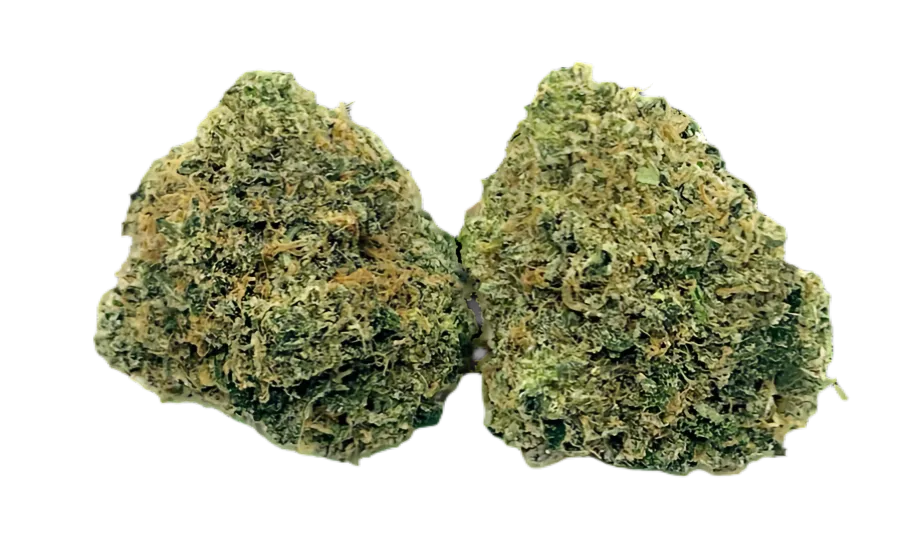
Cannabis flower is one of the most recognizable categories in the cannabis market. Individual varieties may differ in aroma, appearance, flavor profile, cannabinoid composition, and other characteristics. Growing conditions, processing, storage, and product batches can also affect the final product.
Explore the 420 Green Haven cannabis flower and weed collection to see the listings available in this category.
Selected cannabis flower names
The catalog includes strain names such as:
- Amnesia Haze
- Bay Dream
- Bruce Banner
- Bubba Kush
- Cherry Pie
- Critical Kush
- Fantasy Island
- Frosted Truffles
- Galactic Cookies
- Grease Monkey
- Ice Cream Cake
- King Thunderfuck
These names can help visitors identify particular listings, but a strain name alone does not verify potency, purity, or expected effects. Where available, consult the product’s cannabinoid profile, ingredient details, laboratory testing, and other supporting information.
Cannabis flower search topics
People researching this category may look for cannabis flower varieties, weed strain information, flower product descriptions, or cannabis regulations in their region.
Relevant geographic content can include:
- Cannabis flower information in California and Los Angeles
- Weed strain information in Oregon and Portland
- Cannabis flower regulations in Colorado and Denver
- Cannabis product information in British Columbia and Vancouver
- Cannabis flower information in Ontario and Toronto
- Cannabis-related regulations in New South Wales and Sydney
- Cannabis legislation in England and London
- Cannabis product regulations in Germany and Berlin
These phrases are starting points for informational content, not claims of local product availability. A useful regional article should answer genuine questions about the relevant jurisdiction instead of merely repeating a city or state name.
2. Cannabis Shake and Mixed Shake Products
Cannabis shake generally refers to smaller pieces of cannabis flower and plant material collected during handling and packaging. Its composition and appearance can vary, which makes product descriptions particularly important when comparing listings.
Visit the cannabis shake collection to explore this category.
Featured shake product names
- Mixed Shake
- Premium Mix Shake
When reviewing shake products, look for the stated package size, composition, cannabinoid information where available, and any relevant quality or testing documentation. Product names alone cannot establish consistency or quality.
Useful search topics include cannabis shake descriptions, mixed shake product information, premium shake varieties, and cannabis product regulations in the buyer’s location.
3. THC Vape Pens and Cannabis Vape Products
Cannabis vape products can include cartridges, pod systems, disposable devices, and other formats, depending on the product and its intended use. Device compatibility, ingredients, cannabinoid content, and specifications can vary significantly.
Browse the THC vape pen collection at 420 Green Haven.
Explore additional catalog pages here:
Selected vape product names
Product names in this category include:
- Apple Jacks CCELL EAZIE POD
- Babby Powder Cookies
- Banana Runtz
- Batsh!t
- Blue Dream Litto
- Blueberry Banana Cookies
- Blueberry Haze
- Bubblegum Kush
- Cereal Milk Cookies
- Chamoy
- Cookies disposables
- Forbidden Guava
- Grape God
- Honey Comb Runtz
- Mimosa
- Pancakes
- Pineapple Express
- Rainbow Belts
- Rainbow Sherbet
- Red Blow Pop
- Red Starburst
- Space Club Galaxy Bar
- Star Burstz
- Strawberry Cough
- 10/10 Boys
- Watermelon Zkittlez
The catalog may also include dual-chamber devices and other vape formats. Check the individual listing for actual specifications and compatibility rather than assuming that products with similar names use the same device or formulation.
What to check when researching vape products
Before considering a vape product, look for:
- Clearly identified ingredients and cannabinoids
- Manufacturer and product information
- Device compatibility and instructions
- Relevant testing documentation
- Accurate labeling and packaging details
- Applicable age and legal restrictions
THC can impair attention, coordination, memory, and judgment. Inhaling vapor is not risk-free, and unverified products may present additional concerns involving contamination or inaccurate labeling.
Useful search topics include THC vape product information, cannabis vaporizer specifications, vape cartridge ingredients, and regional cannabis regulations.
4. E-Liquids and Related Products
E-liquids are another category within the broader vaping market. Their formulations and intended uses can differ, so consumers should not assume that every liquid is suitable for every device or intended for inhalation.
Visit the e-liquids collection to review the listings.
One product name featured in the catalog is:
- Vape Juice 5000mg 10ml
The numbers in a product name should not be treated as independent verification of its contents, potency, purity, or suitability. Consult the complete product label and any available supporting documentation.
Useful informational topics include e-liquid ingredients, vape liquid specifications, device compatibility, and local requirements for cannabinoid-containing liquids.
5. Cannabis Edibles, THC Gummies, Chocolates, and Capsules
Cannabis edibles include a variety of ingestible formats, such as gummies, chocolates, capsules, and other infused products. Their ingredients, serving sizes, and cannabinoid concentrations can differ from one product to another.
Explore the 420 Green Haven cannabis edibles collection.
Selected edible product names
- Fruit Bites 1000mg Gummies
- Mango Premium DANK Gummies
- Orange Premium DANK Gummies
- Watermelon DANK Gummies
- Pro Infused 500mg Capsules
- Pro Infused 1000mg Capsules
- Watermelon 500mg THC Gummies
- Wonka Chocolate 1000mg THC
Product names and advertised amounts should be checked against the actual label and product documentation. In particular, the total amount stated on a package may differ from the amount in an individual serving.
Important considerations for edibles
THC edibles may take significantly longer to produce noticeable effects than inhaled cannabis, and their effects can last longer. Taking more before the initial amount has taken effect can increase the risk of overconsumption.
Consumers should pay attention to the labeled serving information, ingredients, cannabinoid content, storage instructions, and relevant safety warnings. Intoxicating edibles must be kept securely away from children and pets.
Useful search topics include cannabis edible ingredients, THC gummy product information, infused capsule specifications, and cannabis edible regulations in the relevant jurisdiction.
6. Hash and Cannabis Resin Products
Hash is traditionally made by collecting and compressing resin-rich trichomes from cannabis material. Depending on the production method, hash products can differ in texture, appearance, aroma, and cannabinoid composition.
Explore the hash collection at 420 Green Haven.
Selected hash product names
- Cereal Milk Hash
- Dark Rhino Hash
- Honey Hashish
- Ice Cream Cake Hash 5g
- Peanut Butter Bananas
- Top Dray Hash
When evaluating hash products, look for clear information about the product’s composition, stated weight, cannabinoid profile, and testing documentation where available.
The appearance or name of a product is not proof of its strength or purity. Accurate product descriptions should explain the product without relying on unsupported claims.
Relevant search topics include hash product varieties, cannabis resin descriptions, hash composition, and local cannabis regulations.
7. Cannabis Extracts, Badder, Crumble, Live Resin, and Rosin
Cannabis extracts are produced through different processes designed to concentrate selected compounds from cannabis material. The resulting products can vary in texture, composition, flavor profile, and processing method.
Browse the cannabis extracts collection to explore this category.
Selected extract product names
- Biscotti Badder
- Crumble
- Delta-9 THC Distillate
- Live Resin Badder
- Live Resin Sugar
- Rainbow Belts Hash Rosin by Wonderbrett
- Rick Simpson Oil (RSO) 1G
These product types are not interchangeable. Badder and crumble commonly describe different extract textures. Live resin and hash rosin refer to different production approaches, while distillates represent another type of concentrate.
Individual formulations and manufacturing methods should be verified through reliable product information rather than inferred from the name.
Concentrated THC products may have high cannabinoid concentrations and can increase the risk of overconsumption and adverse reactions. Clear labeling, reliable documentation, and responsible handling are important considerations.
Useful search topics include cannabis extract types, live resin product information, hash rosin descriptions, THC distillate specifications, and concentrate regulations.
Recent Cannabis Industry News and Regulatory Developments: October 2026
Cannabis legislation and industry policy continue to change across multiple markets. For consumers, retailers, and people researching cannabis products, following these developments is important because changes can affect product classification, testing requirements, retail rules, and legal access.
The following developments were reported in 2026. Their legal status and effective dates matter: a proposal or announced reform should not automatically be treated as a rule already in force.
United States: Federal Hemp-Derived THC Rules Under Debate
In October 2026, reporting highlighted an ongoing dispute over federal restrictions on intoxicating hemp-derived products, including certain THC gummies, beverages, vape products, and smokable products. The debate concerns how hemp-derived cannabinoids should be defined and regulated, and how any new federal limits may affect existing products and businesses.
The discussion involves competing concerns about product safety, consumer access, testing, age restrictions, and the relationship between hemp-derived products and state-regulated cannabis markets.
For readers researching THC products in California, Colorado, Oregon, Washington, Nevada, New York, Illinois, Virginia, Texas, Florida, and other states, the key takeaway is that federal policy, state law, and product classification can differ. A product’s presence on a website does not establish that it is lawful in every state.
Businesses publishing cannabis-related information should check current federal and state guidance before making claims about legality, shipping, or availability.
United States: Virginia Cannabis and Hemp Rules Continue to Change
Virginia’s Cannabis Control Authority published information in 2026 about new marijuana and hemp laws. The state’s announced changes include transferring regulatory responsibilities for certain hemp products, expanding enforcement authority, and establishing a framework for a regulated retail marijuana market.
The authority identified July 1, 2027, as the planned start date for regulated retail marijuana sales under the new framework. The state also announced requirements affecting hemp products, including a change taking effect on August 15, 2026, for products containing more than two milligrams of total THC per package.
For people researching cannabis laws in Richmond, Virginia Beach, Norfolk, Chesapeake, Arlington, Alexandria, and other Virginia communities, it is important to distinguish the rules that already apply from future market-launch plans.
Do not assume that a planned retail market means every cannabis product is currently legal to sell or ship into Virginia.
Canada: Cannabis Tracking and Compliance Changes
In September 2026, Health Canada opened a consultation on proposed changes to the Cannabis Tracking System Order. The proposal aims to reduce certain federal reporting requirements while maintaining oversight of cannabis movement through the supply chain.
The consultation was scheduled to close on November 10, 2026. Because this was a proposal, it should not be described as a fully implemented change without checking the latest official status.
Health Canada also published 2026 updates concerning cannabis testing, regulatory compliance, and industry requirements.
These developments are relevant to people researching cannabis regulation in Ontario, British Columbia, Alberta, Quebec, Manitoba, Saskatchewan, Nova Scotia, New Brunswick, Newfoundland and Labrador, Prince Edward Island, Yukon, the Northwest Territories, and Nunavut.
For consumers, the broader lesson is that legal cannabis markets operate under detailed rules involving licensing, testing, reporting, and product oversight.
Australia: New South Wales Medicinal Cannabis Driving Reform
In September 2026, the New South Wales government announced that legislation concerning driving rules for eligible patients using prescribed medicinal cannabis had passed Parliament.
The announced framework provides for a registration system under specific conditions. It does not remove the prohibition on driving while impaired, and the government stated that implementation would require additional steps, including an education program.
The announced rollout was expected in late 2026 or early 2027.
For people researching medicinal cannabis rules in Sydney, Newcastle, Wollongong, and other New South Wales communities, the important distinction is between legislation passing Parliament and a scheme becoming operational. Patients should consult current official guidance before relying on any change.
This development concerns prescribed medicinal cannabis and driving rules. It should not be interpreted as general authorization to buy, possess, or use every cannabis product.
Europe: Authorities Highlight Cross-Border Cannabis Trafficking
In October 2026, Europol reported increased cannabis smuggling into Europe from North America and Thailand and announced coordinated law-enforcement action targeting criminal networks.
The report highlighted concerns involving high-potency products, illegal distribution channels, and the exploitation of differences between jurisdictions with different cannabis policies.
For readers researching cannabis regulations in the United Kingdom, Germany, France, Italy, Spain, the Netherlands, Portugal, Belgium, Switzerland, Ireland, and other European countries, the news reinforces an important point: legal status in one jurisdiction does not automatically authorize cross-border transport or sale elsewhere.
Cannabis product rules can vary significantly between countries. Consumers should check current national requirements and never assume that a product lawfully available in one market can be imported into another.
What These Developments Mean for Cannabis Product Research
Recent policy changes make accurate, up-to-date information especially important. Before publishing location-specific cannabis content or making purchasing decisions, consider these practical steps:
- Check the current law. Use official government and regulatory sources rather than relying on outdated summaries.
- Distinguish proposals from implemented rules. A consultation, bill, announcement, or planned launch may not yet have changed the law.
- Verify product classification. Hemp-derived products, marijuana products, medicinal cannabis, and intoxicating cannabinoids may be treated differently.
- Check product labeling and testing. A product name is not a substitute for reliable information about composition.
- Avoid unsupported shipping claims. Never assume that a product can legally cross a state, provincial, national, or international border.
- Update published content regularly. News and legal developments can quickly make older content inaccurate.
These practices help readers understand the market without confusing general cannabis information with legal permission to purchase or possess a particular product.
Cannabis Product Information Across the United States
Location-specific content can be useful when it answers questions that genuinely differ by state or city. The United States has a patchwork of cannabis laws, with different rules for adult use, medical use, hemp-derived products, retail sales, and possession.
The following locations can serve as starting points for relevant informational articles.
West and Pacific regions
California: Los Angeles, San Diego, San Francisco, Sacramento, San Jose, Fresno, Long Beach, Oakland, and Anaheim.
Oregon: Portland, Eugene, and Salem.
Washington: Seattle, Spokane, and Tacoma.
Nevada: Las Vegas and Reno.
Colorado: Denver, Colorado Springs, and Boulder.
Alaska: Anchorage.
Hawaii: Honolulu.
Idaho: Boise.
Montana: Billings.
Wyoming: Cheyenne.
Utah: Salt Lake City.
Arizona: Phoenix, Tucson, and Scottsdale.
New Mexico: Albuquerque.
Midwest and Great Lakes regions
Illinois: Chicago.
Michigan: Detroit, Grand Rapids, and Ann Arbor.
Ohio: Columbus and Cleveland.
Wisconsin: Milwaukee and Green Bay.
Minnesota: Minneapolis.
Missouri: Kansas City and St. Louis.
Iowa: Des Moines.
Indiana: Indianapolis.
Kansas: Wichita.
Nebraska: Omaha and Lincoln.
North Dakota: Fargo.
South Dakota: Sioux Falls and Rapid City.
Oklahoma: Oklahoma City and Tulsa.
Arkansas: Little Rock.
Northeast and Mid-Atlantic regions
New York: New York City, Buffalo, Rochester, and Albany.
New Jersey: Newark, Jersey City, and Trenton.
Pennsylvania: Philadelphia and Pittsburgh.
Massachusetts: Boston and Worcester.
Vermont: Burlington.
New Hampshire: Manchester.
Maine: Portland.
Rhode Island: Providence.
Connecticut: Hartford.
Delaware: Wilmington.
Maryland: Baltimore.
Virginia: Richmond, Virginia Beach, Norfolk, Chesapeake, Arlington, and Alexandria.
West Virginia: Charleston.
South and Southeast regions
Florida: Miami, Orlando, Tampa, and Jacksonville.
Texas: Houston, Dallas, Austin, San Antonio, Fort Worth, and El Paso.
Georgia: Atlanta and Savannah.
North Carolina: Charlotte, Raleigh, and Durham.
South Carolina: Charleston.
Tennessee: Nashville and Memphis.
Kentucky: Louisville and Lexington.
Louisiana: New Orleans.
Mississippi: Jackson.
Alabama: Birmingham.
These locations should be used where the page offers accurate, relevant information. For example, a Virginia-specific article could discuss the state’s published implementation schedule, while a California guide could explain the relevant state regulatory framework. Simply adding a city name to a generic product keyword does not create useful local content.
Cannabis Information by Province and Territory in Canada
Canada has a national legal framework for cannabis alongside provincial and territorial rules governing important aspects of retail access and distribution.
Potential geographic topics include:
- Ontario: Toronto, Ottawa, Mississauga, Brampton, Hamilton, London, Windsor, and Kingston.
- British Columbia: Vancouver, Victoria, Kelowna, Surrey, Burnaby, Richmond, and Nanaimo.
- Alberta: Calgary, Edmonton, Red Deer, Lethbridge, and Medicine Hat.
- Quebec: Montreal, Quebec City, Laval, Gatineau, Longueuil, and Sherbrooke.
- Manitoba: Winnipeg and Brandon.
- Saskatchewan: Saskatoon, Regina, and Prince Albert.
- Nova Scotia: Halifax, Sydney, and Truro.
- New Brunswick: Moncton, Saint John, and Fredericton.
- Newfoundland and Labrador: St. John’s and Corner Brook.
- Prince Edward Island: Charlottetown and Summerside.
- Yukon: Whitehorse.
- Northwest Territories: Yellowknife.
- Nunavut: Iqaluit.
Relevant content might explain provincial cannabis retail systems, legal purchase requirements, product labeling, or the distinction between federally regulated products and unauthorized products.
Any statement about local sales or availability should be supported by current official information.
Cannabis Laws and Product Information Across Europe
Cannabis rules differ considerably across Europe. A useful regional guide should explain the laws that apply in the country being discussed and should avoid treating the continent as a single legal market.
Potential country and city topics include:
- United Kingdom: London, Manchester, Birmingham, Liverpool, Bristol, Leeds, Glasgow, and Edinburgh.
- Ireland: Dublin, Cork, Galway, and Limerick.
- France: Paris, Marseille, Lyon, Toulouse, Nice, and Bordeaux.
- Germany: Berlin, Hamburg, Munich, Frankfurt, Cologne, and Düsseldorf.
- Italy: Rome, Milan, Naples, Turin, and Bologna.
- Spain: Madrid, Barcelona, Valencia, Seville, and Málaga.
- Portugal: Lisbon, Porto, Braga, and Faro.
- Netherlands: Amsterdam, Rotterdam, Utrecht, and The Hague.
- Belgium: Brussels, Antwerp, Ghent, and Bruges.
- Switzerland: Zurich, Geneva, Basel, and Bern.
- Austria: Vienna, Graz, Salzburg, and Innsbruck.
- Denmark: Copenhagen, Aarhus, Odense, and Aalborg.
- Sweden: Stockholm, Gothenburg, Malmö, and Uppsala.
- Norway: Oslo, Bergen, Trondheim, and Stavanger.
- Finland: Helsinki, Tampere, Turku, and Oulu.
- Poland: Warsaw, Kraków, Gdańsk, and Wrocław.
- Czechia: Prague, Brno, and Ostrava.
- Slovakia: Bratislava and Košice.
- Hungary: Budapest, Debrecen, and Szeged.
- Greece: Athens, Thessaloniki, and Patras.
- Croatia: Zagreb, Split, and Dubrovnik.
- Slovenia: Ljubljana and Maribor.
- Romania: Bucharest, Cluj-Napoca, and Timișoara.
- Bulgaria: Sofia, Plovdiv, and Varna.
- Estonia: Tallinn and Tartu.
- Latvia: Riga and Daugavpils.
- Lithuania: Vilnius, Kaunas, and Klaipėda.
- Luxembourg: Luxembourg City and Esch-sur-Alzette.
- Malta: Valletta and Sliema.
- Cyprus: Nicosia, Limassol, and Larnaca.
- Iceland: Reykjavík.
- Serbia: Belgrade and Novi Sad.
- Montenegro: Podgorica and Budva.
- Albania: Tirana and Durrës.
- Bosnia and Herzegovina: Sarajevo and Banja Luka.
- North Macedonia: Skopje and Bitola.
- Kosovo: Pristina and Prizren.
- Moldova: Chișinău.
- Ukraine: Kyiv, Lviv, and Odesa.
- Belarus: Minsk.
- Russia: Moscow and Saint Petersburg.
- Andorra: Andorra la Vella.
- Monaco: Monaco.
- Liechtenstein: Vaduz.
- San Marino: San Marino.
- Vatican City: Vatican City.
Potential search topics include cannabis laws in Berlin, medicinal cannabis information in London, cannabis regulation in Paris, cannabis legislation in Madrid, and cannabis policy in Amsterdam.
Each article should distinguish between medical access, adult-use rules, possession restrictions, and commercial product availability. It should also explain that cross-border transport is subject to additional requirements.
Cannabis Information Across Australia
Australia’s cannabis framework distinguishes between medicinal access and other forms of cannabis use. Rules can differ depending on the product, its classification, and the relevant state or territory.
Geographic topics may include:
- New South Wales: Sydney, Newcastle, Wollongong, and Wagga Wagga.
- Victoria: Melbourne, Geelong, Ballarat, and Bendigo.
- Queensland: Brisbane, Gold Coast, Townsville, Cairns, and Toowoomba.
- Western Australia: Perth, Bunbury, Geraldton, and Albany.
- South Australia: Adelaide, Mount Gambier, and Whyalla.
- Tasmania: Hobart, Launceston, Devonport, and Burnie.
- Australian Capital Territory: Canberra.
- Northern Territory: Darwin, Alice Springs, and Katherine.
Potential search topics include medicinal cannabis information in Sydney, cannabis regulation in Melbourne, medicinal cannabis rules in Brisbane, cannabis legislation in Perth, and cannabis-related guidance in Canberra.
These phrases should lead to useful, jurisdiction-specific information. They should not imply that all cannabis products are legally available for purchase or delivery in Australia.
Cannabis Legislation and Product Information in Latin America and the Caribbean
Cannabis laws vary widely across Latin America and the Caribbean. Some jurisdictions have medical cannabis programs or specific forms of regulated access, while others maintain stricter controls. The rules applying to flower, edibles, extracts, and THC vape products may differ.
Potential country and city topics include:
- Mexico: Mexico City, Guadalajara, Monterrey, Puebla, and Tijuana.
- Guatemala: Guatemala City and Antigua Guatemala.
- Belize: Belize City and San Ignacio.
- Costa Rica: San José, Limón, and Liberia.
- Panama: Panama City and David.
- Nicaragua: Managua and León.
- Honduras: Tegucigalpa and San Pedro Sula.
- El Salvador: San Salvador and Santa Ana.
- Argentina: Buenos Aires, Córdoba, Rosario, and Mendoza.
- Brazil: São Paulo, Rio de Janeiro, Brasília, Salvador, and Curitiba.
- Chile: Santiago, Valparaíso, and Concepción.
- Colombia: Bogotá, Medellín, Cali, and Cartagena.
- Ecuador: Quito, Guayaquil, and Cuenca.
- Peru: Lima, Arequipa, and Cusco.
- Uruguay: Montevideo, Punta del Este, and Salto.
- Paraguay: Asunción and Ciudad del Este.
- Bolivia: La Paz, Santa Cruz de la Sierra, and Cochabamba.
- Venezuela: Caracas, Maracaibo, and Valencia.
- Guyana: Georgetown.
- Suriname: Paramaribo.
- French Guiana: Cayenne.
- Cuba: Havana and Santiago de Cuba.
- Jamaica: Kingston, Montego Bay, and Ocho Rios.
- The Bahamas: Nassau.
- Barbados: Bridgetown.
- Trinidad and Tobago: Port of Spain and San Fernando.
- Dominican Republic: Santo Domingo, Santiago de los Caballeros, and Punta Cana.
- Haiti: Port-au-Prince and Cap-Haïtien.
- Puerto Rico: San Juan, Ponce, and Mayagüez.
Useful informational topics include medical cannabis regulations in Argentina, cannabis policy in Colombia, cannabis laws in Mexico, medicinal cannabis access in Brazil, and cannabis legislation in Jamaica.
Before publishing country-specific commercial content, verify the applicable legislation, product restrictions, and any requirements governing advertising, imports, exports, or sales. A location appearing in this guide is not evidence that a particular product can legally be shipped there.
How to Choose Reliable Cannabis Product Information
Whether someone is researching flower, vape products, edibles, hash, or extracts, the quality of the information matters.
Use the following checklist when evaluating a listing:
1. Identify the product category. Confirm whether the listing refers to flower, shake, an edible, a vape product, hash, or an extract.
2. Review the ingredients. Look for clear labeling and a complete description of the stated formulation.
3. Check cannabinoid information. Where available, distinguish the total amount in a package from the amount per serving.
4. Look for testing documentation. Relevant laboratory testing may help clarify cannabinoid content and screen for certain contaminants.
5. Review the manufacturer’s information. Check whether the manufacturer and product details are clearly identified.
6. Follow storage and safety guidance. Keep intoxicating products away from children and pets.
7. Check the law where you live. Confirm whether the product type is permitted and whether purchase, possession, or distribution restrictions apply.
8. Be cautious of unsupported claims. A product name, image, or marketing phrase cannot establish purity, potency, or medical benefit.
Transparent information helps readers compare products without relying on exaggerated claims or assumptions.
Frequently Asked Questions About Cannabis Products Online
What cannabis product categories can I explore at 420 Green Haven?
The linked categories cover cannabis flower, shake, THC vape products, e-liquids, edibles, hash, and extracts. Check the relevant page for current listings and product details.
What is the difference between cannabis flower and shake?
Flower generally refers to the harvested flowering portions of the plant. Shake usually consists of smaller pieces of flower and other plant material collected during handling. Product composition and quality can vary.
How are hash and extracts different?
Hash is traditionally made by collecting and compressing resin-rich trichomes. Cannabis extracts are produced through different processes and can have varied textures and compositions. Individual product descriptions provide more useful information than category names alone.
Are THC edibles and vape products interchangeable?
No. Edibles are ingested, while vape products are designed for inhalation when appropriately formulated and used with compatible equipment. Their onset, duration, and risks differ.
Can cannabis products be ordered in every country or state?
No. Cannabis rules vary between jurisdictions and product types. Always verify local laws, age restrictions, import rules, and shipping eligibility before attempting to purchase or transport a controlled product.
Does a product name establish potency or quality?
No. Names and marketing descriptions do not independently verify cannabinoid content, purity, or consistency. Check the actual label and supporting documentation where available.
How can location-based cannabis articles help readers?
Useful regional articles answer questions about local regulations, terminology, and relevant product requirements. They should provide genuinely localized information rather than simply attaching a city name to a generic keyword.
Why include recent cannabis news in an informational article?
Regulatory developments can affect product classifications, testing standards, market access, and legal obligations. Recent news helps readers understand the context, provided that proposed changes are clearly distinguished from rules already in effect.
Explore Cannabis Categories at 420 Green Haven
Understanding cannabis product categories can make online research clearer and more informative. From flower and shake to vape products, edibles, hash, and extracts, each category has its own characteristics and considerations.
Use the links below to explore the relevant sections of the 420 Green Haven catalog:
- Explore cannabis flower and weed strains
- Browse cannabis shake products
- Explore THC vape pens and related products
- View additional THC vape products on page 2
- View additional THC vape products on page 3
- View additional THC vape products on page 4
- Review e-liquid listings
- Explore cannabis edibles
- Browse hash products
- Explore cannabis extracts
For readers in the United States, Canada, Europe, Australia, Latin America, and the Caribbean, the most important next step is to verify the rules that apply to the specific location and product category being researched.
Accurate product information, helpful internal links, meaningful geographic coverage, and regularly updated regulatory context create a stronger foundation for useful search content than repetitive keywords alone.
