
buy CBD oil online, buy concentrates online, buy live resin online, buy medical weed online, buy pre rolls online, Buy Weed Online, dispensary open late near me, Guide, Health, Innovation, order weed online, Style, top rated cannabis dispensaries, Uncategorized, Weed For Sale, Weed For Sale Online, weed store near me
The Future of Cannabis in 2026: Exploring Premium Weed Strains, Innovative THC Products, Concentrates, Edibles, and the Changing Cannabis Landscape
Nov
The Future of Cannabis in 2026: Exploring Premium Weed Strains, Innovative THC Products, Concentrates, Edibles, and the Changing Cannabis Landscape
Introduction: A New Era of Cannabis Innovation
The cannabis industry is experiencing a remarkable transformation in 2026. What was once a market largely associated with traditional cannabis flower has evolved into a diverse landscape featuring botanical extracts, cannabis concentrates, infused products, edible formulations, and advanced delivery technologies.
Today, cannabis is attracting attention from researchers, manufacturers, entrepreneurs, and consumers interested in understanding its changing product landscape. From traditional marijuana flower and aromatic strains to hashish, live resin, THC distillates, and cannabis-infused edibles, the industry continues to explore new formulations and production techniques.
However, innovation is about more than introducing new products. Product transparency, laboratory testing, manufacturing standards, accurate labeling, and responsible consumer education are becoming increasingly important.
In this guide, we explore the most interesting developments shaping the cannabis industry in 2026, examine the different product categories, and discuss the technologies and considerations influencing the future of cannabis.
1. Cannabis Flower: Traditional Strains Meet Modern Cultivation
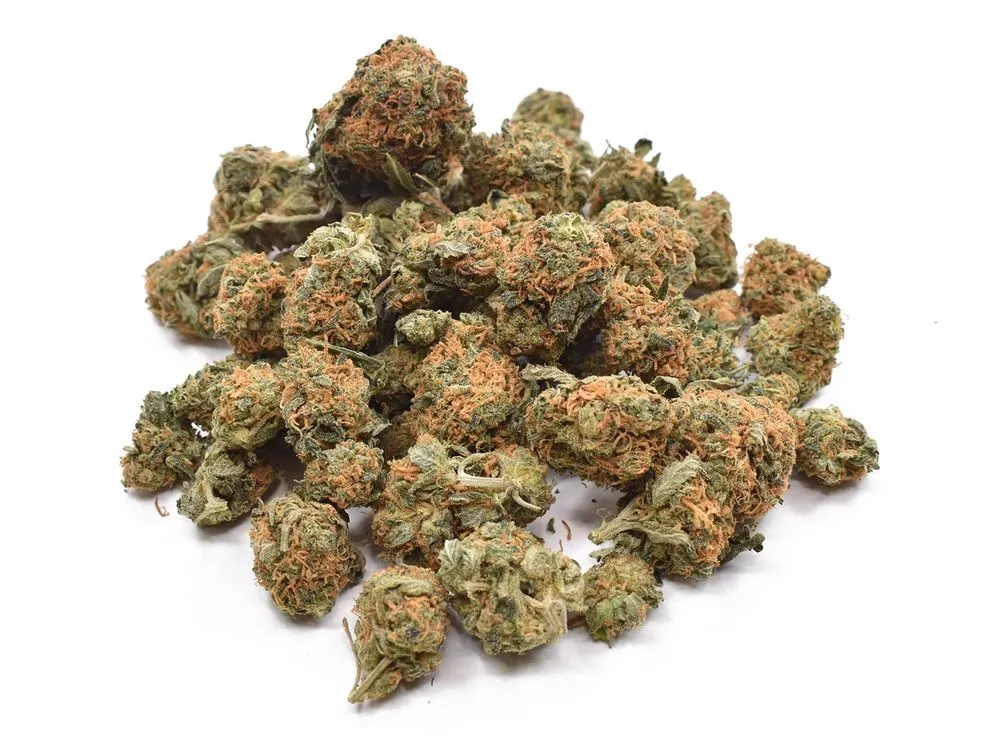
Cannabis flower remains one of the most recognizable categories in the marijuana industry. Although extraction technologies and processed cannabis products have expanded significantly, traditional flower continues to hold an important place in the market.
Modern cannabis cultivation involves increasingly sophisticated growing environments, selective breeding, environmental controls, and quality-assurance practices.
These developments have helped growers investigate different characteristics, including:
- Cannabinoid concentrations.
- Terpene compositions.
- Aromatic profiles.
- Flower structure and appearance.
- Moisture content and storage stability.
- Cultivation consistency.
Popular strain names frequently encountered in cannabis discussions include Amnesia Haze, Blue Dream, Bruce Banner, Bubba Kush, Cherry Pie, Critical Kush, Ice Cream Cake, and Grease Monkey.
However, strain names alone cannot establish a product’s chemical composition or expected effects. Laboratory analysis provides more meaningful information about cannabinoid content and other measurable characteristics.
The broader flower category also includes discussions about premium cannabis buds, indoor-grown flower, greenhouse cultivation, outdoor-grown cannabis, and different curing and preservation methods.
2. Cannabis Concentrates: The Technology Behind Modern Extracts
One of the most interesting developments in contemporary cannabis manufacturing is the growing diversity of concentrated cannabis products.
Cannabis concentrates are produced through processes designed to separate and collect particular compounds from cannabis material. Different extraction and processing methods produce different textures, compositions, and chemical characteristics.
Some commonly discussed categories include:
Live Resin: A cannabis concentrate produced from freshly harvested and frozen plant material. Its production process is designed to preserve a broader range of volatile aromatic compounds.
Badder: A concentrate characterized by a soft, creamy consistency. Its texture depends on the production and processing methods.
Sugar Concentrates: These products have a crystalline appearance suspended in a more viscous substance.
Crumble: A comparatively dry concentrate with a crumbly texture.
Hash Rosin: A solventless concentrate produced using mechanical separation and controlled heat and pressure.
THC Distillate: A highly refined cannabis extract produced through additional separation and purification processes.
Rick Simpson Oil: A concentrated cannabis oil associated with a particular extraction tradition.
These categories illustrate how extraction technology has expanded the range of cannabis-derived materials available for scientific investigation and regulated product development.
Nevertheless, concentration should not be confused with quality or safety. High-THC products can carry increased risks, and potency measurements alone cannot establish product purity.
3. Hashish and Traditional Cannabis Resin: An Industry With a Long History
Long before modern extraction equipment became widely available, cannabis resin was an important part of traditional cannabis production.
Hashish, also known as hash or cannabis resin, is associated with the collection and concentration of resin glands from cannabis plants.
Traditional and contemporary discussions frequently include:
- Dry-sift hash.
- Traditional pressed hash.
- Bubble hash.
- Ice-water hash.
- Full-spectrum resin.
- Modern hash rosin.
- Different resin textures and appearances.
The chemistry of cannabis resin is particularly interesting because it contains cannabinoids, terpenes, and other plant-derived compounds.
Modern laboratory techniques allow researchers to examine these components more closely, providing additional information about the composition and consistency of different cannabis-derived materials.
Understanding the distinction between traditional hashish and modern solventless concentrates is an important part of appreciating the evolution of cannabis processing.
4. Cannabis Edibles: Formulation, Labeling, and Product Diversity
Cannabis edibles represent another significant category in the evolving cannabis landscape.
Unlike inhaled cannabis products, edibles are formulated for ingestion. They include different food-based preparations and commercially manufactured products.
Common examples include:
- Cannabis-infused gummies.
- THC chocolates.
- Cannabis capsules.
- Infused confectionery.
- Cannabis beverages.
- Other cannabinoid-containing food formulations.
Gummies are particularly prominent in discussions about edible product innovation because they offer manufacturers a familiar food format.
However, edible products require careful attention to formulation, serving-size consistency, ingredient transparency, and accurate THC labeling.
An important consideration is that edible cannabis can take substantially longer to produce noticeable effects than inhaled cannabis. Taking additional amounts too soon can increase the likelihood of unpleasant or dangerous reactions.
Products should be kept securely away from children and pets, and clearly labeled packaging is essential.
5. THC Vape Products and the Evolution of Cannabis Technology
Cannabis vaping has become an important subject in discussions about product innovation and changing consumer markets.
Modern cannabis vape products include different cartridge systems, disposable devices, and formulations containing various cannabis-derived extracts.
Some commonly discussed product categories include:
- THC vape cartridges.
- Disposable cannabis vape devices.
- Live resin formulations.
- Distillate-based formulations.
- Liquid diamonds products.
- Terpene-containing extracts.
- Dual-chamber vape technologies.
The technology behind these products involves several components, including heating elements, batteries, reservoirs, seals, and formulation compatibility.
Product quality cannot be determined by packaging, branding, or appearance alone. Testing for contaminants, accurate ingredient disclosures, manufacturing controls, and appropriate device standards are important considerations.
Unregulated vape products can contain unexpected ingredients, contaminants, or inaccurately labeled cannabinoid concentrations. Consumers should be particularly cautious about products from unidentified sources.
6. The Growing Importance of Terpenes and Cannabis Chemistry
Terpenes are naturally occurring aromatic compounds found in many plants, including cannabis.
They contribute to the distinctive aromas associated with different botanical materials.
Some commonly discussed cannabis terpenes include:
Myrcene: Found in numerous aromatic plants and frequently identified in cannabis chemical profiles.
Limonene: Associated with citrus-like aromatic characteristics.
Pinene: Found in pine trees and other botanical sources.
Linalool: Known for its floral aromatic profile.
Caryophyllene: A terpene found in several spices and other plants.
Terpenes are receiving attention in botanical chemistry research because of their structural diversity and potential biological interactions.
Nevertheless, the presence of a particular terpene does not establish a predictable therapeutic effect. More research is needed to understand how individual compounds interact with cannabinoids and other substances in humans.
7. Cannabis Product Categories and the Importance of Accurate Classification
The expanding cannabis industry includes a wide variety of products, each with different compositions and manufacturing requirements.
Understanding these distinctions helps improve product literacy and makes it easier to interpret laboratory reports, packaging information, and ingredient disclosures.
| Product category | General description |
|---|---|
| Cannabis flower | Dried cannabis plant material |
| Cannabis shake | Smaller pieces of dried cannabis flower |
| Hashish | Concentrated cannabis resin |
| Extracts | Materials produced through extraction or separation |
| Live resin | Extract associated with freshly frozen plant material |
| Hash rosin | Solventless cannabis concentrate |
| THC distillate | Refined cannabis extract |
| Edibles | Ingestible cannabinoid-containing formulations |
| Vape products | Devices and formulations designed for aerosolization |
| E-liquids | Liquid formulations whose ingredients and cannabinoid status require verification |
Each category requires appropriate quality controls, ingredient identification, and testing procedures.
8. Cannabis Industry Trends Shaping 2026
The cannabis industry is becoming more sophisticated, competitive, and technology-driven.
Several developments are particularly relevant in 2026.
Greater attention to product transparency
Accurate cannabinoid information, ingredient disclosure, manufacturing details, and independent laboratory testing are becoming increasingly important.
Advances in extraction and analytical science
Modern analytical techniques allow laboratories to investigate cannabinoid profiles, terpene compositions, residual solvents, pesticides, heavy metals, and microbial contaminants.
Changing product preferences
Market research indicates that cannabis consumption patterns have diversified beyond traditional dried flower.
A National Academies report examining US cannabis markets found that reported use of edibles, vape oils, and concentrates increased between 2018 and 2023. This demonstrates the importance of understanding different product formats when studying the modern cannabis market.
More sophisticated packaging and labeling
Packaging innovation increasingly involves product identification, tamper-evident features, child-resistant designs, and improved information presentation.
Responsible manufacturing
Quality assurance is an important consideration for companies operating in regulated markets. Consistency, traceability, accurate testing, and documented production standards contribute to greater product accountability.
9. Understanding Cannabis Safety in 2026
As cannabis products become more diverse, consumer education becomes increasingly important.
Different formulations can contain substantially different cannabinoid concentrations, and their effects and risks may vary.
Important considerations include:
- Verify laboratory testing and product authenticity.
- Read ingredient lists and cannabinoid disclosures.
- Avoid unidentified or unregulated products.
- Keep cannabis products away from children and animals.
- Avoid combining cannabis with alcohol or other intoxicating substances.
- Never drive or operate machinery while impaired.
- Understand that high-THC products carry additional risks.
- Seek professional medical advice when considering cannabis alongside medications or existing health conditions.
Cannabis is not risk-free. Frequent use, particularly of high-potency products, can contribute to cannabis use disorder and other adverse health outcomes.
Pregnant or breastfeeding individuals should avoid cannabis use. Young people are also particularly vulnerable to potential effects on brain development.
Responsible education should remain central to conversations about cannabis innovation.
10. The Future of Cannabis: Research, Technology, and Quality Standards
Looking beyond 2026, the cannabis industry will likely continue to evolve through developments in cultivation, extraction, product formulation, analytical chemistry, and manufacturing technology.
Several areas deserve continued attention.
Cannabinoid research: Scientists continue investigating how different cannabinoids interact with biological systems.
Advanced laboratory testing: More sophisticated analytical methods can help identify contaminants and verify product composition.
Cultivation technology: Controlled growing environments and improved agricultural monitoring can support more consistent production.
Product standardization: Clearer labeling and improved quality-control procedures can help address inconsistencies across different markets.
Environmental responsibility: Sustainable cultivation, efficient resource management, and improved packaging materials are increasingly relevant topics.
The industry’s long-term development will depend not only on innovation but also on scientific evidence, responsible manufacturing, consumer protection, and transparent information.
Frequently Asked Questions About Cannabis Products in 2026
What are the main cannabis product categories in 2026?
Major categories include traditional cannabis flower, shake, hashish, concentrates, extracts, edibles, and vape formulations.
What is the difference between cannabis flower and concentrates?
Cannabis flower refers to dried plant material, whereas concentrates are processed materials containing concentrated cannabis compounds.
What is live resin?
Live resin is a cannabis extract produced using freshly harvested and frozen cannabis material, with processing designed to preserve aromatic compounds.
What is the difference between hash and hash rosin?
Hash is a broad category of cannabis resin products. Hash rosin is a solventless concentrate produced through mechanical separation and controlled heat and pressure.
What are cannabis edibles?
Cannabis edibles are ingestible formulations containing cannabinoids. Examples include gummies, chocolates, capsules, and other infused products.
Why is laboratory testing important?
Laboratory testing can help identify cannabinoid concentrations, verify product composition, and screen for potentially harmful contaminants.
Are high-THC cannabis products risk-free?
No. Higher THC concentrations can increase the likelihood of adverse effects, including anxiety, impaired judgment, and other health concerns.
Conclusion: Cannabis Innovation Must Go Hand in Hand With Knowledge
The cannabis industry in 2026 represents a fascinating intersection of traditional botanical knowledge, modern extraction science, agricultural innovation, and evolving product technologies.
From classic cannabis flower and traditional hashish to contemporary concentrates, refined extracts, edibles, and vape formulations, the range of cannabis-derived products continues to expand.
However, the future of this industry should not be measured by product variety alone. Scientific research, responsible manufacturing, transparent labeling, reliable laboratory testing, and public education are equally important.
As cannabis technology continues to develop, informed conversations will help distinguish genuine scientific progress from unsupported claims.
The future of cannabis is not simply about creating more products. It is about understanding their composition, improving quality standards, supporting responsible research, and making reliable information accessible to everyone.
