buy CBD oil online, buy concentrates online, buy live resin online, buy medical weed online, buy pre rolls online, Buy Weed Online, dispensary open late near me, Guide, Health, Innovation, order weed online, Style, top rated cannabis dispensaries, Uncategorized, Weed For Sale, Weed For Sale Online, weed store near me
Cannabis in 2026: Exploring Premium Weed Strains, THC Vapes, Edibles, Hash, Extracts and the Products Shaping Modern Cannabis Culture
Nov
Cannabis in 2026: Exploring Premium Weed Strains, THC Vapes, Edibles, Hash, Extracts and the Products Shaping Modern Cannabis Culture
Cannabis culture continues to evolve. In 2026, the conversation is no longer limited to traditional marijuana flower. Consumers, researchers, manufacturers and industry observers are paying attention to a much wider range of cannabis products, including premium weed strains, THC vape pens, cannabis edibles, hashish, concentrates and alternative consumption formats.
At the same time, product development is becoming more sophisticated. Conversations about terpene profiles, extraction methods, cannabinoid content, product consistency and laboratory testing are becoming increasingly common. As a result, understanding the differences between cannabis product categories is more useful than simply comparing strain names or THC percentages.
Whether you are researching classic cannabis flower, learning about modern vape technology or exploring how hash and concentrates are produced, this guide looks at the products, terminology and industry developments shaping cannabis in 2026.
1. The Cannabis Landscape in 2026: More Choice, More Product Innovation
One of the most noticeable developments in the cannabis industry is the growing variety of available product formats. Traditional flower remains an important part of cannabis culture, while vape products, edibles and concentrates continue to attract attention.
The industry is also placing greater emphasis on product information. Consumers increasingly encounter descriptions that mention cannabinoid percentages, terpene profiles, extraction techniques, ingredients and serving sizes.
Several product categories are particularly relevant to the 2026 conversation:
- Cannabis flower: Traditional dried cannabis buds in a wide range of cultivars and terpene profiles.
- Cannabis shake: Smaller pieces of cannabis flower that collect during handling and processing.
- THC vape products: Cartridges, pods and disposable devices containing cannabis oil.
- Cannabis edibles: Food products formulated with cannabinoids, including gummies and chocolates.
- Hashish: A concentrated cannabis product traditionally made from collected resin glands.
- Cannabis extracts: Products made by separating selected compounds from cannabis material.
- E-liquids: Liquid products designed for compatible vaping devices, with ingredients and cannabinoid content varying by formulation.
For an overview of the site’s product categories, explore the 420 Green Haven cannabis product directory, cannabis shake collection, THC vape pen category, cannabis edibles collection and cannabis extracts directory.
2. Cannabis Flower: Classic Strains and Modern Cultivars
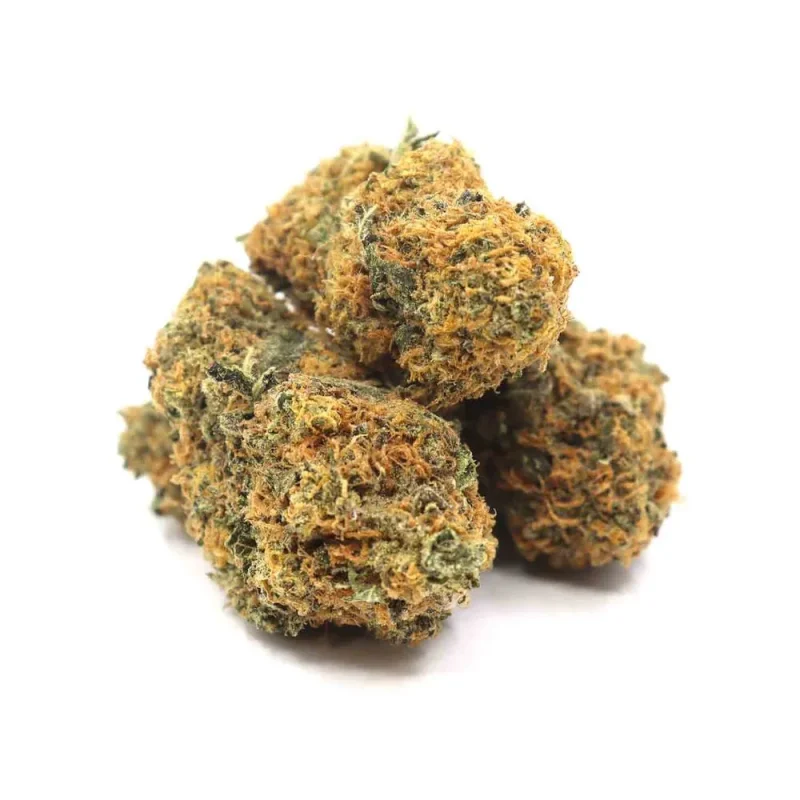
Cannabis flower remains one of the most recognizable product categories. It refers to the dried buds of the cannabis plant, which contain cannabinoids, aromatic compounds and other naturally occurring plant constituents.
In 2026, cannabis flower discussions increasingly go beyond THC percentages. Terpenes, cultivation practices, curing methods, moisture levels, appearance and laboratory testing all contribute to how a product is described and evaluated.
Understanding cannabis strain names
Strain names are often used to distinguish cultivars and communicate their commonly described characteristics. However, a strain name alone does not guarantee a particular chemical profile or experience. Growing conditions, genetics, harvesting and storage can all influence the final product.
Some familiar names appearing in cannabis culture include:
- Amnesia Haze: A widely recognized cultivar name associated with traditional cannabis menus.
- Bay Dream: A named flower variety found in modern strain discussions.
- Bruce Banner: A popular cultivar name in cannabis culture.
- Bubba Kush: A familiar name associated with established Kush genetics.
- Cherry Pie: A cultivar name often discussed for its fruit-inspired profile.
- Critical Kush: A recognized name among established cannabis varieties.
Explore the Amnesia Haze flower listing, Bay Dream product page, Bruce Banner listing, Bubba Kush product page and Cherry Pie listing for examples of named flower varieties.
The wider premium cannabis flower category provides a useful starting point for exploring the different strain names and product descriptions in this category.
Why terpenes are part of the conversation
Terpenes are aromatic compounds found in many plants, including cannabis. They contribute to the distinctive scents and flavors associated with different cultivars.
Commonly discussed cannabis terpenes include:
- Myrcene: Found in numerous aromatic plants and often described as earthy or herbal.
- Limonene: Associated with citrus-like aromas.
- Pinene: Commonly associated with pine-like scents.
- Caryophyllene: Often described as peppery or spicy.
- Linalool: Known for floral and lavender-like aromas.
A terpene profile can help describe a cannabis product’s aroma. However, aroma alone does not establish potency, quality or a predictable effect.
3. Cannabis Shake: Understanding a Different Flower Format
Cannabis shake consists of smaller pieces of flower that separate during handling, packaging or processing. It may contain broken buds and other small plant material, depending on how it is collected and prepared.
Although shake is different in appearance from larger intact buds, its composition can vary considerably. Factors such as storage, handling, plant material and the amount of loose leaf matter can influence its characteristics.
When comparing cannabis shake products, useful details include:
- The appearance and consistency of the material.
- Whether the contents are clearly described.
- The presence of excessive stems or unwanted debris.
- Packaging and storage information.
- Available cannabinoid and laboratory-testing details.
The 420 Green Haven shake collection includes listings such as Mixed Shake. The category is also a useful place to review the descriptions associated with different shake formats.
4. THC Vape Pens: Technology and Product Formats in 2026
Cannabis vaping remains an important part of the wider product conversation. Vape products generally use a heating element to aerosolize a liquid or oil formulation rather than burning dried plant material.
The category includes several formats:
- Vape cartridges: Replaceable containers designed for compatible battery devices.
- Disposable vape devices: Integrated products that combine the oil container, battery and heating element.
- Pod systems: Products that use a compatible pod and battery arrangement.
- Live resin vape products: Formulations made using live-resin extracts.
- Distillate vape products: Formulations based on refined cannabis oil.
These formats differ in construction, ingredients, extraction methods and compatibility. Product descriptions should clearly identify the formulation and the device requirements.
What is changing in the vape category?
Industry reporting in 2026 highlights continuing changes in the cannabis vape market. BDSA reported that vape represented approximately 26% of tracked U.S. cannabis retail sales over the 12 months ending May 2026. Its reporting also identified growing interest in live resin and rosin formats.
These figures illustrate why vape technology, oil formulation and product transparency have become important subjects in cannabis industry discussions.
For category information, visit the THC vape pen collection. Additional listings are available through the second vape product page, third vape product page and fourth vape product page.
When reviewing any vape product, check its ingredients, cannabinoid information, manufacturing details and applicable testing information. Do not assume that products with similar names or packaging contain the same formulation.
5. Cannabis Edibles: Gummies, Chocolates and Other Formats
Cannabis edibles are products formulated with cannabinoids and incorporated into food or other ingestible formats. Gummies and chocolates are familiar examples, although the category also includes capsules and other products.
Unlike inhaled products, edibles are processed through the digestive system. Their onset and duration can differ considerably from those of inhaled cannabis. The timing can also vary according to the product, serving size, individual physiology and whether food has been consumed.
Common edible formats
THC gummies: Gummies are small, flavored products that may contain a measured amount of THC per piece or serving.
Cannabis chocolates: Chocolate products may contain cannabinoids in different formulations and serving sizes.
Cannabis capsules: Capsules provide an ingestible format with a measured amount of an ingredient.
Fruit-flavored edibles: These products use fruit-inspired flavors and may be available in different shapes and formulations.
The 420 Green Haven edibles category provides an overview of the site’s edible listings. One example is Fruit Bites 1000mg THC Gummies.
When reading an edible label, pay attention to the amount per serving and the total amount in the package. These are not necessarily the same. Keep all cannabinoid products securely stored away from children and pets, and never assume that a familiar-looking food product is safe to consume.
6. Hashish: A Traditional Cannabis Concentrate
Hashish, commonly called hash, is one of the oldest cannabis concentrate formats. It is traditionally produced by collecting and compressing resin glands from cannabis material.
Hash can vary in color, texture, aroma and consistency. Depending on the production method and starting material, it may appear soft, firm, crumbly or pressed into a compact form.
Different characteristics of hash
When learning about hashish, several terms are useful:
- Traditional hash: A broad term for resin-based cannabis products made using established collection and preparation methods.
- Dry sift: A method that separates resin glands through screens.
- Bubble hash: A type of hash produced using ice water and filtration.
- Pressed hash: Resin-rich material compressed into a denser form.
- Hash rosin: A solventless extract produced by applying heat and pressure to suitable starting material.
These descriptions refer to different production methods and product characteristics. They should not be treated as interchangeable.
The 420 Green Haven hash category includes named listings such as Cereal Milk Hash. Reviewing product descriptions and available testing details can help readers understand how different products are presented.
7. Cannabis Extracts: Live Resin, Badder, Crumble and More
Cannabis extracts are products made by separating selected compounds from cannabis plant material. The term covers a broad range of products with different textures, production methods and chemical compositions.
Some commonly discussed extract formats include:
Live resin: An extract made from freshly harvested cannabis material that is preserved before extraction. It is often discussed in relation to terpene retention.
Live resin badder: A whipped or aerated extract with a soft, creamy consistency.
Crumble: A concentrate with a dry, crumbly texture.
Distillate: A refined cannabis oil produced through a separation and purification process.
Hash rosin: A solventless concentrate made by applying heat and pressure to resin-rich material.
Rick Simpson Oil (RSO): A concentrated cannabis oil associated with a particular extraction tradition. It should not be treated as a proven treatment for any medical condition.
Texture and appearance alone cannot establish the purity, potency or safety of an extract. Reliable product information should include ingredients, cannabinoid content, production details and appropriate laboratory testing.
Explore the cannabis extracts category and examples such as Live Resin Badder and Rick Simpson Oil (RSO).
8. E-Liquids and Cannabis Liquid Formulations
E-liquids are liquid formulations designed for compatible electronic vaping devices. The term can refer to different products, so it is important to read the ingredient list and product description rather than assume that every e-liquid contains the same ingredients.
Some products are formulated with nicotine, while others may contain cannabinoids or different ingredients. These formulations are not interchangeable, and device compatibility matters.
For an overview of the site’s listings, visit the 420 Green Haven e-liquids category.
Before evaluating any liquid product, check its intended use, ingredient information, manufacturing standards and compatibility with the device for which it is designed.
9. Cannabinoids, Terpenes and the Science Behind Cannabis
Cannabis contains a complex mixture of naturally occurring compounds. Two groups often discussed are cannabinoids and terpenes.
What are cannabinoids?
Cannabinoids are chemical compounds that interact with biological systems. THC and CBD are among the best-known examples, but cannabis contains many other cannabinoids.
- THC: A cannabinoid associated with the intoxicating effects of cannabis.
- CBD: A non-intoxicating cannabinoid that is widely studied.
- CBN: A minor cannabinoid that receives attention in product research and development.
- CBG: A minor cannabinoid found in some cannabis varieties.
- CBC: Another naturally occurring cannabinoid under scientific investigation.
Research into cannabinoids is ongoing. Findings about one compound, formulation or dose should not automatically be applied to every cannabis product. Product marketing should also not be mistaken for established medical evidence.
Why laboratory testing matters
Laboratory testing can provide information about a product’s cannabinoid content and, depending on the test, potential contaminants or other quality indicators.
When available, a certificate of analysis may include:
- Cannabinoid profile.
- THC and CBD measurements.
- Testing for certain pesticides.
- Heavy-metal screening.
- Residual-solvent results for relevant extracts.
- Microbial testing.
Testing standards and requirements vary by jurisdiction. Clear, current documentation is more useful than unsupported claims about purity or quality.
10. How to Compare Cannabis Products More Carefully
With so many product formats available, comparing products can become confusing. A consistent approach makes it easier to understand what a product description actually tells you.
Consider these points:
- Product type: Identify whether the item is flower, shake, an edible, a vape formulation, hash or an extract.
- Ingredients: Read the full ingredient list, particularly for edibles and liquid products.
- Cannabinoid information: Check whether the label gives amounts per serving, per unit or per package.
- Terpene information: Treat terpene descriptions as information about aroma and composition, not a guarantee of effects.
- Testing documentation: Look for current and relevant laboratory results.
- Packaging: Check that the packaging is intact and includes clear product information.
- Storage: Follow the manufacturer’s storage instructions.
- Local requirements: Confirm that the product and its use comply with the rules where you live.
Cannabis products can have different risks depending on their formulation and route of exposure. Avoid driving or operating machinery while impaired. Edibles should be kept away from children and pets, and vaping products should only be used as intended by their manufacturer.
11. The 2026 Cannabis Industry: What the Data Tells Us
The cannabis market is changing, but the direction is not identical in every region or product category.
BDSA’s 2026 reporting describes a vape market in which live resin and rosin formats have gained share. Meanwhile, state-level sales reporting continues to show that flower remains a major category, with edibles, concentrates and vape products contributing to the broader market.
The New Jersey Cannabis Regulatory Commission’s June 2026 product-mix data, for example, reported flower at 39.26% of the tracked product mix, vape cartridges at 26.22%, edibles at 10.48% and concentrates at 10.74%.
These figures are a snapshot of a particular regulated market, not a universal picture of every country or state. Still, they demonstrate the range of formats that now shape the cannabis industry.
For businesses, researchers and consumers, several topics are worth following:
- Product consistency and transparent labeling.
- Improvements in extraction and manufacturing.
- Research into cannabinoids and terpenes.
- Packaging and product traceability.
- Changing consumer interest across product formats.
- Laboratory testing and quality-control standards.
- Differences between regional cannabis markets.
12. Frequently Asked Questions About Cannabis Products in 2026
What are the main types of cannabis products?
Common categories include dried cannabis flower, shake, pre-rolls, vape products, edibles, hashish, concentrates and other cannabinoid formulations. Availability and product definitions vary by location.
What is the difference between cannabis flower and shake?
Flower generally refers to dried cannabis buds. Shake consists of smaller pieces of cannabis material that separate during handling or processing. Their composition and appearance can vary.
What is the difference between hash and cannabis extracts?
Hash is a traditional resin-based concentrate. Cannabis extracts are a broader category that includes products such as live resin, badder, crumble, distillate and rosin.
What are terpenes in cannabis?
Terpenes are aromatic compounds found in many plants. In cannabis, they contribute to the distinctive aromas and flavors associated with different cultivars.
What should consumers look for on a cannabis product label?
Useful details include the product type, ingredients, cannabinoid amounts, serving information, batch identification, storage instructions and available laboratory-testing documentation.
Are cannabis edibles different from inhaled products?
Yes. Edibles are processed through the digestive system, so their onset and duration can differ from inhaled cannabis. Their effects may also vary between individuals and products.
Why is live resin discussed so often in 2026?
Live resin is receiving attention because of its extraction process and its association with preserving more of the plant’s aromatic compounds. Industry reporting has also identified growth in the live resin segment of the vape market.
13. Explore the Cannabis Product Categories at 420 Green Haven
Understanding cannabis begins with understanding the products themselves. Flower, shake, vape formulations, edibles, hashish, extracts and e-liquids each have different characteristics, ingredients and production methods.
For additional product information, browse these 420 Green Haven category pages:
- Cannabis flower and named weed strains
- Cannabis shake and mixed shake products
- THC vape pens and related formats
- Additional THC vape listings — page two
- Additional THC vape listings — page three
- Additional THC vape listings — page four
- Cannabis e-liquids
- Cannabis edibles and gummies
- Hash and hashish products
- Cannabis extracts and concentrates
Final Thoughts: Understanding the Next Chapter of Cannabis
Cannabis in 2026 is defined by variety, product innovation and a growing interest in better product information. Traditional flower remains an important part of the culture, while vape formulations, edibles, hash and extracts continue to broaden the conversation.
The most useful way to understand this changing landscape is to look beyond product names and marketing language. Learn about the ingredients, production methods, cannabinoid content, terpene profiles and testing information behind each category.
As research and industry standards continue to develop, accurate information will remain essential. Explore the different cannabis product categories, compare their descriptions carefully and stay informed about the developments shaping modern cannabis culture.
Continue exploring the 2026 cannabis landscape with 420 Green Haven’s product directory and educational resources.
